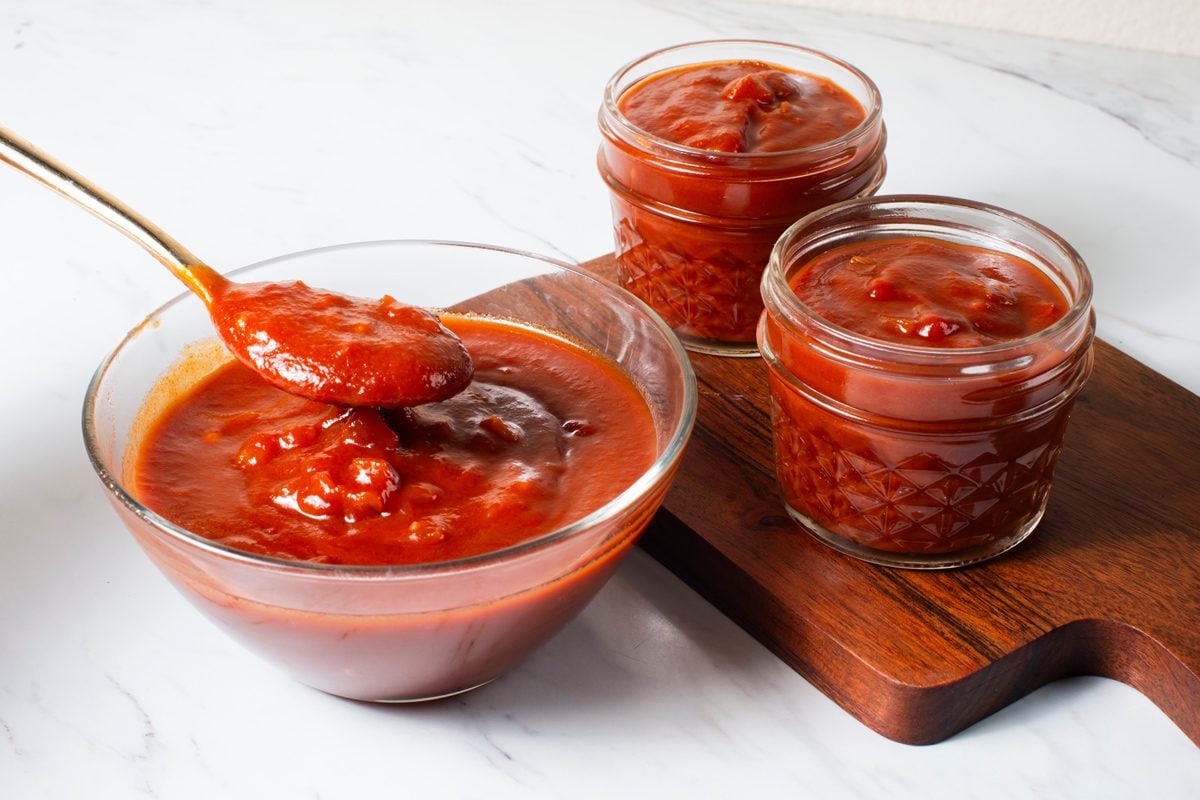
Some barbecue sauces are tangy and sweet, while others are thick and spicy. Here's what you need to know about regional types of barbecue sauce from across the country.

Alabama White Sauce
You’ll immediately notice what makes this regional barbecue sauce unique: It’s white! Big Bob Gibson is credited with creating the mayonnaise-based Alabama barbecue sauce in 1925 for his signature hickory-smoked chicken. In addition to slathering it on chicken, you can also use it as a dipping sauce, marinade or dressing for coleslaw.

East North Carolina
North Carolina is all about whole hog barbecue, and the traditional East Carolina barbecue sauce in this region is bare bones and basic. It’s a pungent, thin sauce made from little more than cider vinegar, red pepper flakes and some salt. It’s perfect for cutting through fatty pork, but we think it tastes pretty good on chicken too.

West North Carolina
If pure vinegar isn’t your jam, tame things by adopting the Piedmont/Lexington barbecue sauce. It’s almost identical to the East Carolina sauce, except they add ketchup and brown sugar to mellow out that vinegar tang. This thicker, sweeter sauce is still great on pulled pork, especially if you’re serving it up on a sandwich.

South Carolina Mustard Sauce
If you’re a mustard-on-your-hot-dog kind of person, you’ll love South Carolina barbecue sauce. It doesn’t contain any ketchup at all, and it’s almost always made with plain yellow mustard. It’s rich, spicy and tangy—without any semblance of sweetness—making it perfect for serving alongside grilled pork chops or chicken.

Florida Citrus Sauce
You might not think about Florida when it comes to barbecue, but they’re famous for their signature smoked mullet (a type of fish). Florida barbecue sauce combines Carolina’s heavy vinegar presence with Cuban citrus and Caribbean spicy, tropical elements. Do as the Floridians do and baste your catch of the day with this sauce as it grills.

Baltimore Tiger Sauce
Baltimore-style barbecue is different from barbecue anywhere else in the country. Marylanders are famous for their pit beef sandwich, which has grilled beef rather than smoked. The sandwich is traditionally served up with a creamy horseradish sauce, called tiger sauce. The spicier the sauce, the better! You can also serve this sauce on brisket sandwiches or as a dipping sauce for burnt ends.
Kansas City
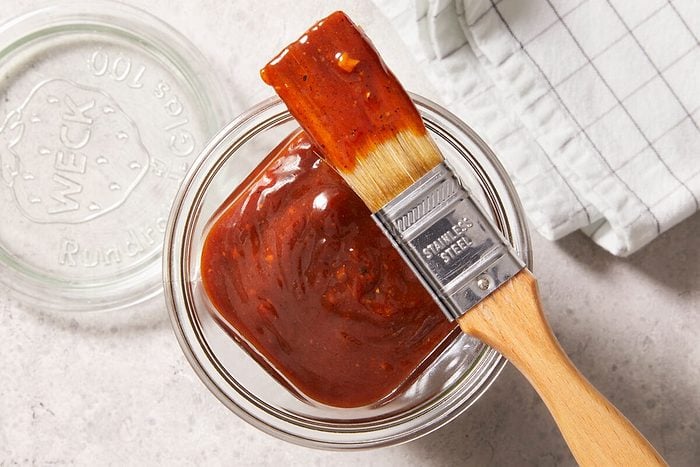
When you think of traditional barbecue sauce, it’s probably Kansas City-style. This sweet and tangy sauce can contain more than a dozen ingredients, but it always starts with a tomato or ketchup base and includes brown sugar or molasses as a sweetener. It’s good on everything, but it’s especially tasty on a rack of ribs. Because of the high sugar content, you’ll want to use this sauce after cooking so it doesn’t burn.

St. Louis
St. Louis barbecue sauce is similar to Kansas City (hey, they’re both from Missouri), but it’s thinner because of the addition of vinegar, which also tames down the sweetness quite a bit. It has a sweet-and-sour flavor with a kick of spice, which is delicious on spare ribs, kabobs and pulled pork. Its lower sugar content means it can be used while the meat cooks without fear of the sauce burning.

Owensboro Black Dip
Along the Indiana border is the small Kentucky town of Owensboro, home to black dip barbecue sauce. The mix of Worcestershire, white vinegar, ketchup and brown sugar results in a delightfully acidic sauce that cuts the fattiness of the town’s famous smoked mutton. Black dip is used as both a basting liquid and a dipping sauce for the rich mutton. If mutton isn’t your thing, this sauce would also work well with other fatty meats like brisket, pork belly and pork shoulder.

Oklahoma
Take a peek at a map, and you won’t be surprised that Oklahoma barbecue combines Texas meats and Kansas City-style sauce! The sauce is heavy with ketchup, Worcestershire and sweet-and-tangy flavors, making it a perfect accompaniment to cut through the fat of a beef brisket.

Memphis
Many people will tell you Memphis barbecue is served without a sauce: They use a dry rub on Memphis-style ribs to give the meat plenty of flavor from the get-go. Others swear by “wet” rubbed ribs, which use a barbecue sauce that’s thinner than Kansas City but sweeter than St. Louis.

Nashville
East Tennessee is split between two barbecue styles: the tangy vinegar-forward sauce of the Carolinas and the sweet versions that come from Memphis and St. Louis. You’ll find a variety of sauces in Nashville, but they’re almost always a smokier version of the sauces from surrounding areas. Since this regional barbecue sauce has a little bit of everything, it’s versatile and can be used with grilled beef, pork or chicken.
Texas
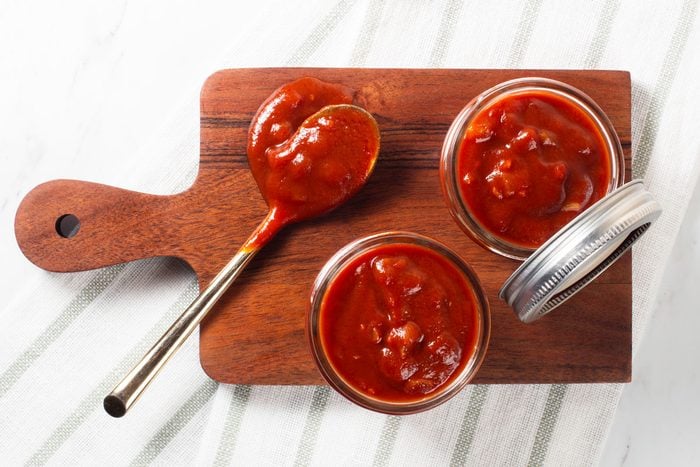
In Texas, barbecue is all about the beef, and the sauce is usually used to baste or marinate brisket rather than as a condiment. Texas barbecue sauce is thin but hearty, thanks to the use of meat drippings and other bold ingredients like smoky cumin, hot sauce, chili powder, garlic and Worcestershire.
Regional Types of Barbecue Sauce FAQs
How long does homemade barbecue sauce last?
Homemade barbecue sauce lasts up to a month when stored in an airtight container in the fridge. Mark the date you mixed the barbecue sauce on a piece of tape and adhere it to the container so you know by when you need to use it.
Can I mix and match regional barbecue sauces in one dish?
Absolutely! The easiest way is to stick to one type of barbecue sauce while grilling or smoking the meat (Kansas-style sauce is a great base) and then serve the cooked meat with a few more adventurous sauces, like South Carolina mustard sauce, Florida citrus sauce or Alabama white sauce on the side. That way, you can have a taste of the best American barbecue recipes all on one plate.
Why does my barbecue sauce burn when grilling?
Barbecue sauce will burn if it is on a grill for too long or at too high a temperature. Most barbecue sauces contain some sort of sweetener (sugar, brown sugar and molasses are most common), which will scorch and burn when brought to too high a temperature. To prevent your sauce from burning, wait until the last 15-30 minutes of cook time to brush your meat with even layers of sauce on both sides.