
These fish sauce recipes include Vietnamese and Thai classics, like pho and pad thai, but also explore how the salty sauce can enhance everything from fruit to burgers.
Vietnamese Garlic Noodles
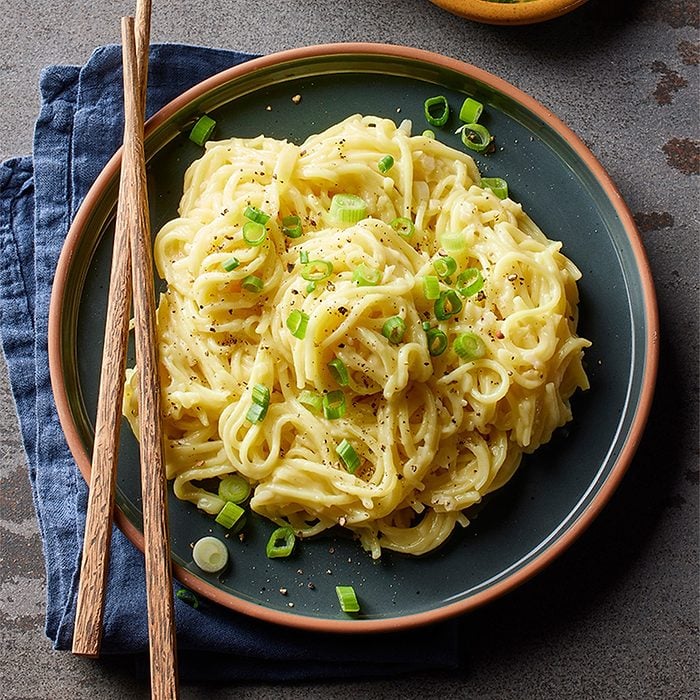
Don’t be deceived by how simple these noodles look or how quickly they come together. Between the 20(!) cloves of garlic, fish sauce, oyster sauce, Maggi seasoning and Parmesan cheese, the saucy, bouncy chow mein noodles are an umami bomb. The garlic should soften in the butter without browning so it’s pungent but not bitter, pairing perfectly with the salinity of the fish sauce.
Banh Mi Burgers

These loaded burgers, inspired by a classic Vietnamese banh mi sandwich, are thick, messy, crunchy, saucy and all I want on my next burger night. You need only a teaspoon of fish sauce in the beef and pork patty to deepen the meat’s flavor and season it, so you can use up the last of a bottle. Add a few burger sides, and you’ll have a feast.
Fruit Salad with Fish Sauce Dressing
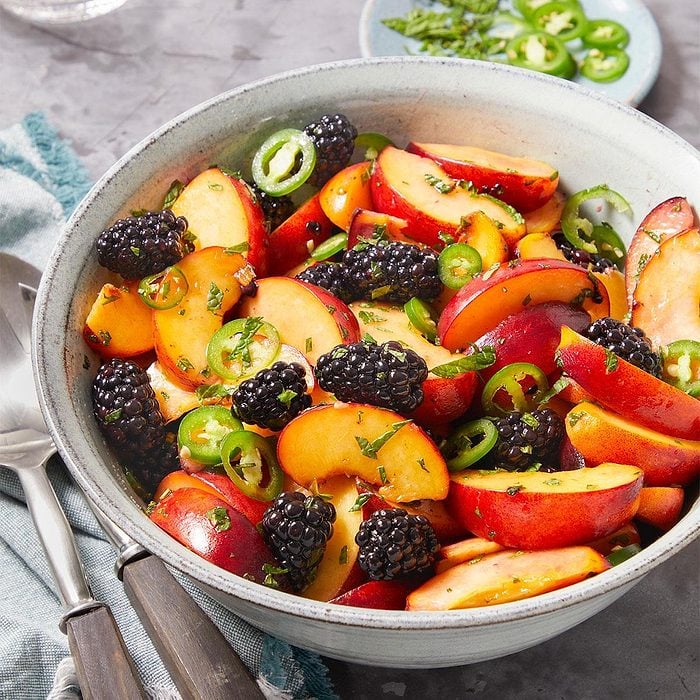
If the idea of using fish sauce to dress fresh fruit initially sounds more confusing than delicious, I beg you to give it a chance. A single tablespoon of fish sauce, mixed with brown sugar, lime and mint, creates a just-salty-enough dressing for peaches and berries. It has just enough umami to make the fruit taste sweeter and brighter, not like seafood. A sliced serrano adds spice and crunch, perfect for pairing with grilled meats for dinner, but you could leave out the serrano if you want a more dessert-like dish.
Fish Sauce Wings
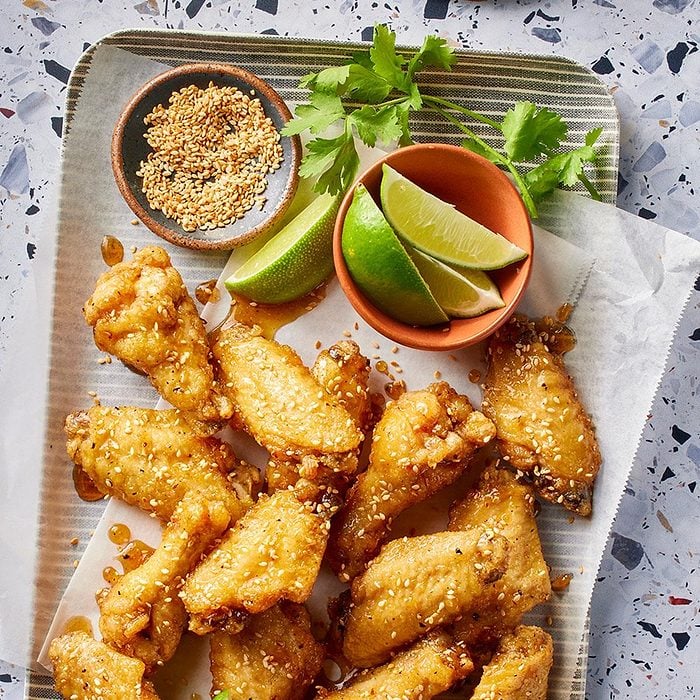
The secret to these extra-crispy wings is to coat them in cornstarch and baking powder, then refrigerate them to set the coating and dry the wings. After frying, toss them with a sweet and salty sauce made of honey, garlic, fish sauce and brown sugar, and they will still be crunchy. I recommend making a double batch of sauce so you have extra for dunking on the side.
Shrimp Pad Thai
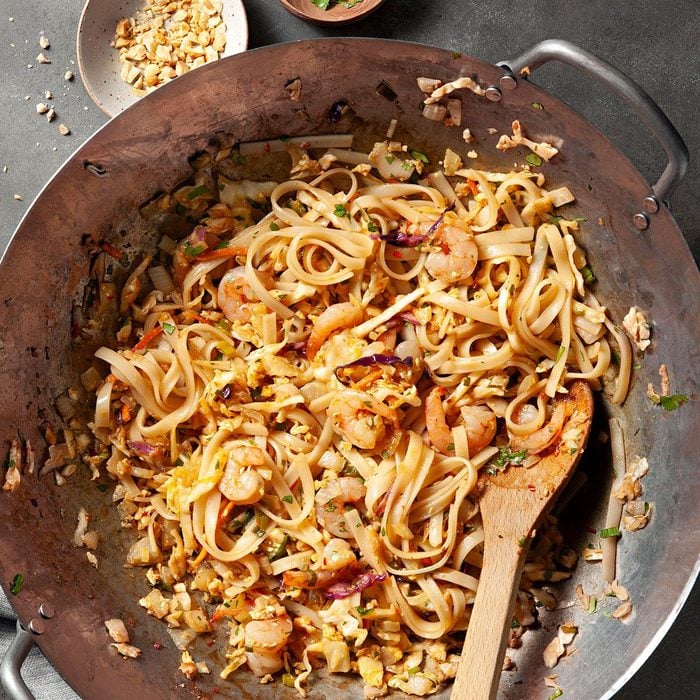
Pad thai was the first Thai recipe I learned to make at home and my initial foray into using fish sauce. Stir-frying the rice noodles with just the right combination of sweet, sour and salty ingredients is what makes pad thai taste as it should, and fish sauce is a big part of that equation. The recipe gives you the option of using soy sauce instead, which is helpful in a pinch, but I really recommend using fish sauce—you’ll notice the difference.
Vietnamese Pork Chops

These thin pork chops are marinated with lemongrass, shallot, garlic, brown sugar, soy sauce and fish sauce to infuse the lean, mild meat with all those aromatic flavors often found in Vietnamese dishes. After grilling or broiling the chops until tender and lightly charred, they are served with a dipping sauce with even more fish sauce for that salty, umami bite. Between the marinade and sauce, you’ll need about 6 tablespoons of fish sauce, so it’s a great recipe to crack open a fresh bottle.
Tom Kha Gai
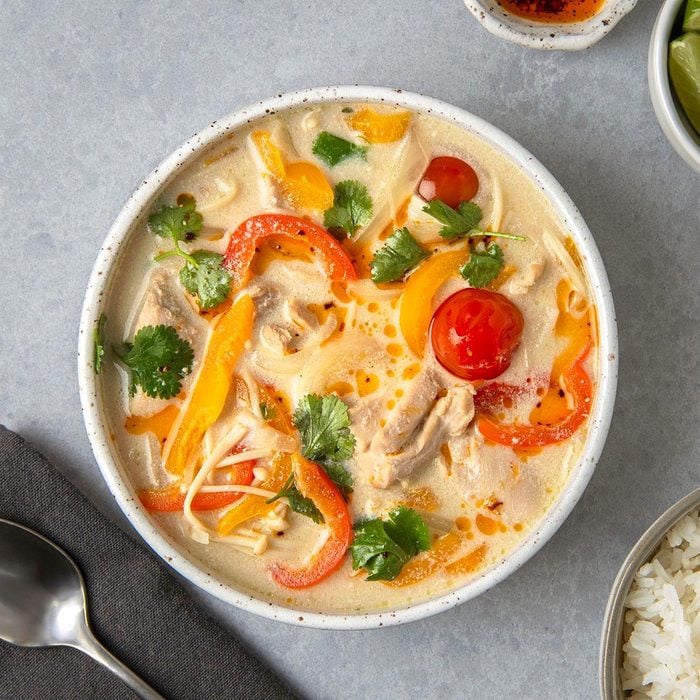
This creamy coconut milk-based soup has a lot of ingredients, but that’s the key to the deep aroma and layered flavors that are light yet rich at the same time. A small amount of fish sauce is stirred into the broth in the last few minutes of simmering so it seasons the broth and retains its bold fragrance. When I’m under the weather, I crave this ginger, lemongrass and lime leaf soup even more than classic chicken noodle soup.
Thai Drunken Noodles with Beef
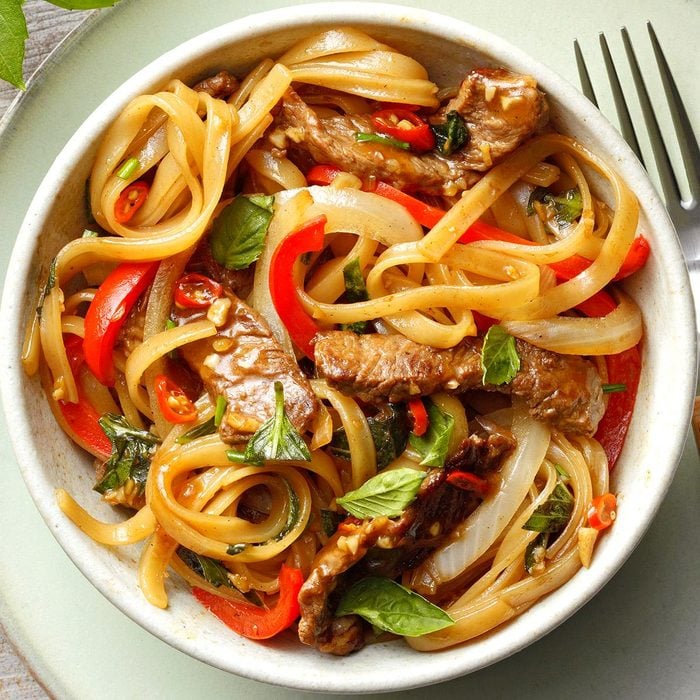
Drunken noodles are one of my favorite rice noodle recipes because the wide noodles have more surface area to absorb the thick sweet-and-salty sauce. The sauce has soy sauce, oyster sauce and fish sauce, but don’t think they all taste the same. Each condiment has a unique flavor, so it’s not just salt on salt. And don’t worry, there’s no alcohol in the recipe; it’s believed to be named for its popularity as a hangover cure.
Larb Gai
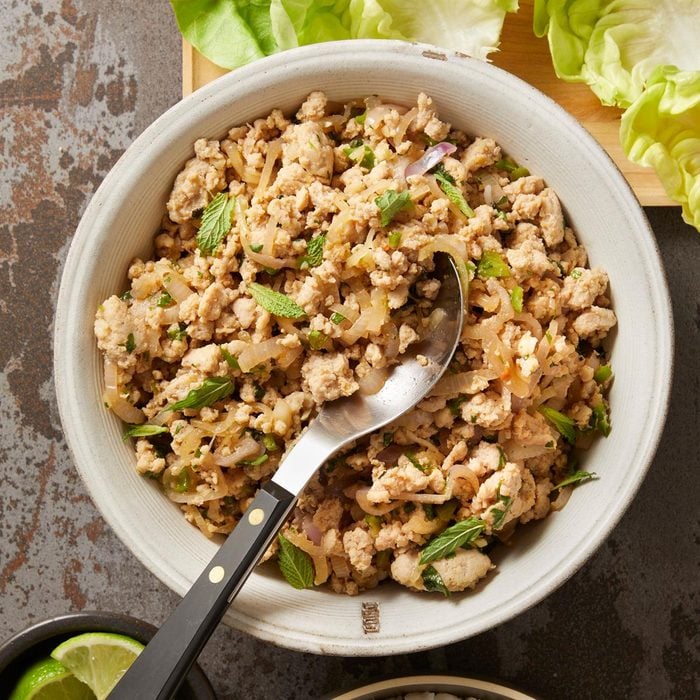
There are a bunch of great ground chicken recipes you can make, but I always come back to larb gai. Sauteed shallots, garlic and chiles plus lime juice, sweet chili sauce, brown sugar, Sriracha and fish sauce give the mild meat a sharp boost of flavor that I find irresistible. I often scoop it right from the skillet into my mouth! There’s no added salt in the recipe since the fish sauce provides enough seasoning, so don’t be tempted to hold back on adding the full amount.
Lemongrass Chicken
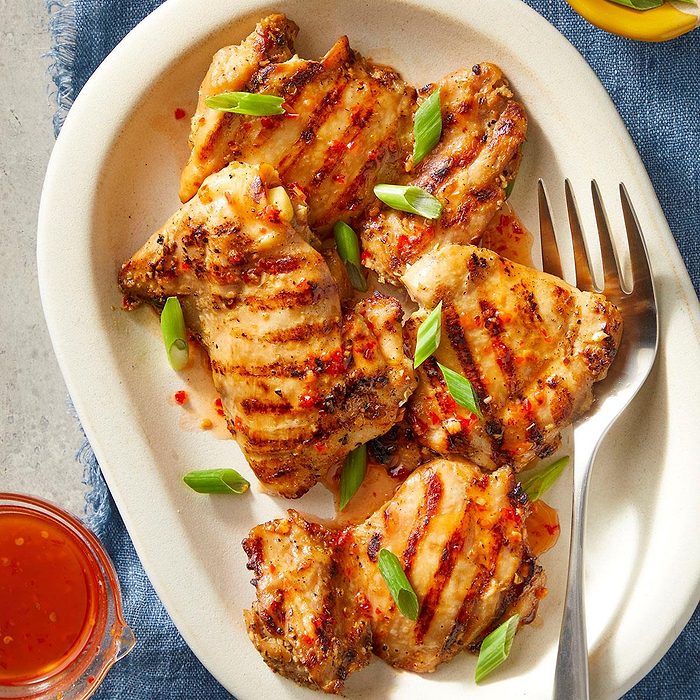
The salty, fragrant taste of this grilled chicken comes from a quick marinade with lemongrass and fish sauce, plus a side of Nước chấm. Nước chấm, made with lime juice, sugar, fish sauce and chili garlic sauce, is a staple condiment in Vietnamese cooking, served on the side for dipping or spooning over food. It’s light in color, but the bold, sour, sweet and salty taste is perfect for cutting through the char of grilled meats and seafood or rich, crunchy fried spring rolls.
Lemongrass Ginger Chicken Noodle Soup

Using a slow cooker to make homemade chicken soup is such a smart move because it gives the broth plenty of time to bubble away with flavorful aromatics. Here, ginger, garlic, lemongrass and fish sauce combine with the classic mirepoix trio of carrot, celery and onion. There is just enough fish sauce to make the broth taste well-seasoned and complex but not enough to pick it out specifically.
Spicy Thai-Inspired Noodle Watermelon Salad
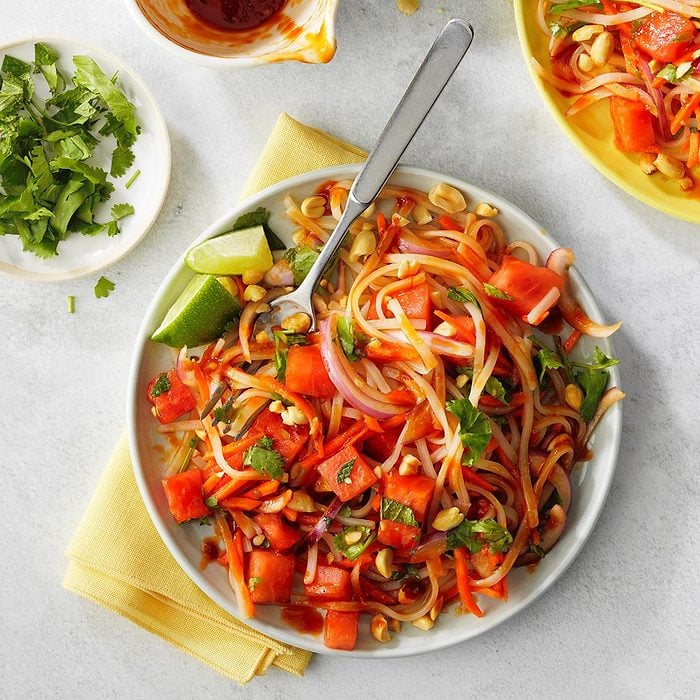
When summer hits and every day offers a new opportunity to make refreshing watermelon recipes, this herb-laden watermelon and rice noodle salad should be at the top of the list. In addition to featuring chunks of watermelon, some of the fruit is blended and mixed with sweet chili sauce, lime juice, ginger and fish sauce to coat chilled noodles and veggies. The fish sauce may smell intense while simmering, but cooking it will soften the flavor and it will balance with the sweet, acidic ingredients.
Thai Basil Chicken (Pad Krapow Gai)
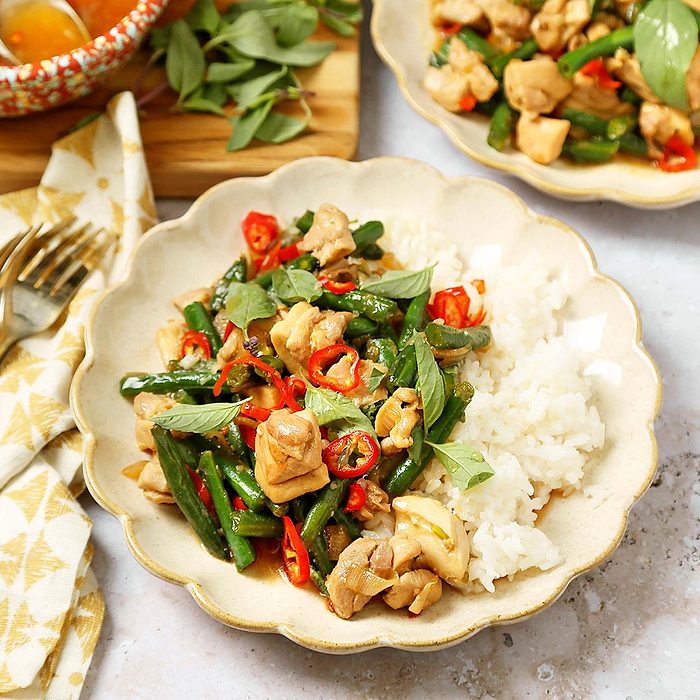
Between the fragrant Thai basil and sweet, sour and salty sauces, this classic Thai chicken recipe is one of my favorites. Fish sauce is used twice in this recipe. It’s in the Thai basil sauce, with oyster sauce, soy sauce and brown sugar, used to stir-fry the chicken and green beans, as well as in the spicy prik nam pla that’s spooned over the top. While the basil sauce is more savory and earthy, the prik nam pla includes fresh chiles and garlic, lime juice and fish sauce, making it sharp and fiery.
Thai Chicken Noodle Soup
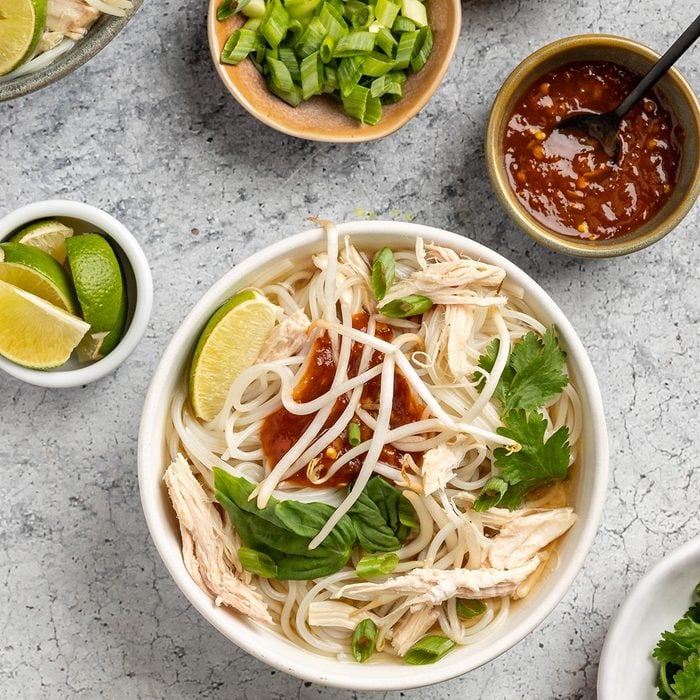
The star of this easy slow-cooker soup is the aromatic homemade broth made by simmering bones from a rotisserie chicken with broiled onion and ginger, cinnamon, star anise, cloves and more until deeply fragrant. Then, brown sugar, fish sauce and lime juice are stirred in for the essential Thai flavor balance of sweet, sour and salty. The broth is served over cooked rice noodles and shredded chicken, but I’d be content to sip it right out of a mug.
Coconut Curry Shrimp
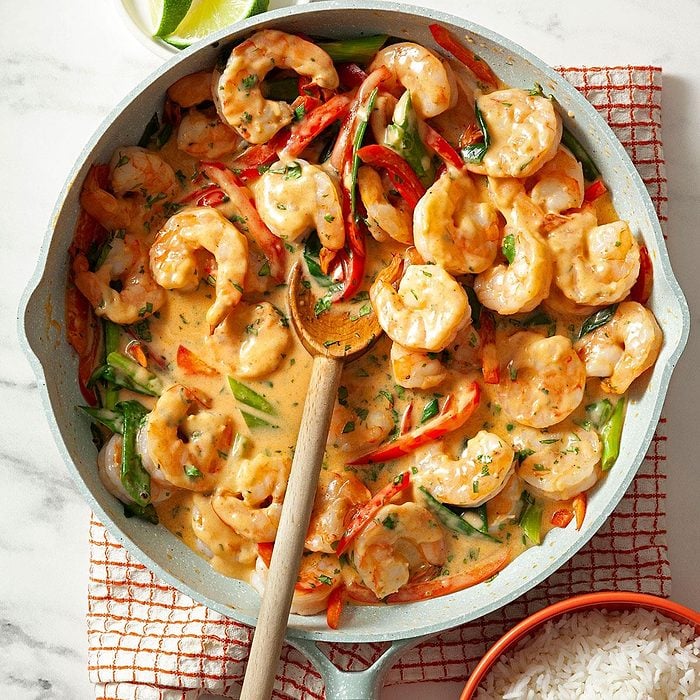
With a few essential Thai ingredients in the pantry, curry recipes are an amazing option for fast weeknight dinners. Coconut milk, brown sugar, Thai red curry paste and fish sauce create a broth for plump shrimp and lightly sauteed bell pepper and onion that’s creamy, slightly sweet and fragrant. There’s only 1 tablespoon of fish sauce in the broth, so it seasons the dish without being too forward. I often add an extra splash of fish sauce right before serving to perk up the flavor.
Pork Lettuce Wraps
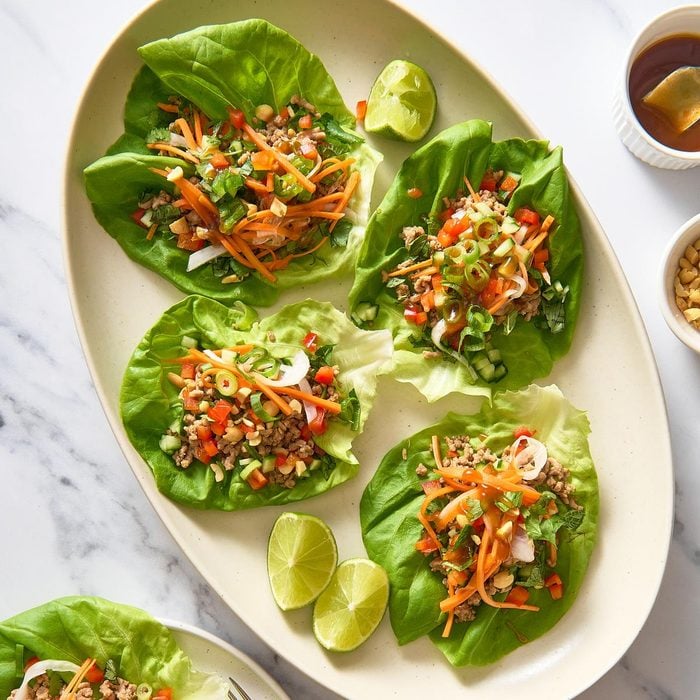
What I love the most about lettuce wraps is the contrast between the light, crisp veggie cups and the warm, highly seasoned meaty filling, just as with this gingery, salty ground pork mixture. Although fish sauce is listed as an optional ingredient, the umami it adds to the dish makes the meat taste super rich and savory alongside the tangy pickled carrots and crisp, fresh vegetable toppings, so I wouldn’t skip it.
Pad See Ew

What separates pad see ew from pad thai or drunken noodles comes down to the sauce. Here, wide rice noodles, Chinese broccoli and egg are coated in a dark sauce heavy on savory, umami-rich condiments like oyster sauce, fish sauce and soy sauce, with just a touch of sweetness to lighten the saltiness. It’s not spicy or sour, so the charred flavor of the stir-fried noodles shines through.
Kimchi Stew (Kimchi Jjigae)
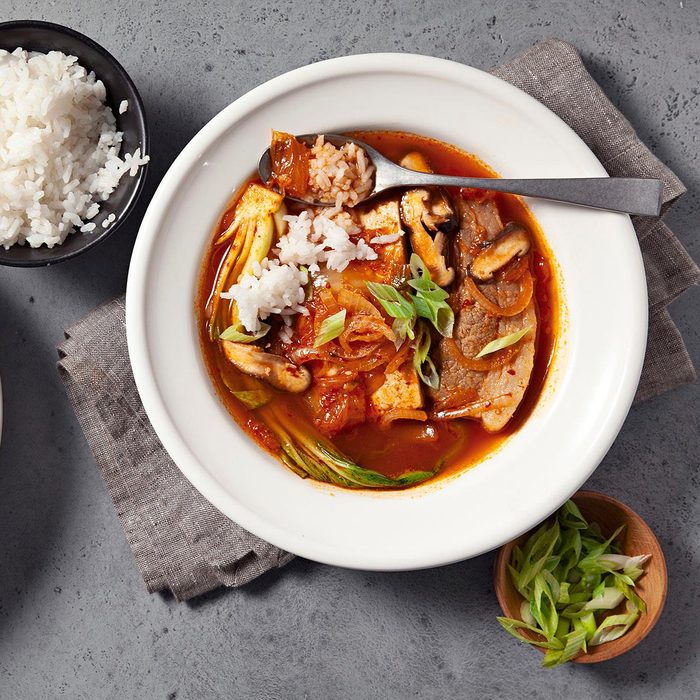
Kimchi is the star of this comforting yet easy-to-make Korean recipe, and it’s flavorful enough that only a handful of supporting ingredients are needed to tie everything together. Since it can be difficult to find aged kimchi (though do pick it up if you can), our recipe includes a bit of fish sauce and soy sauce to deepen the funk and umami of the broth.
Coconut Curry Soup
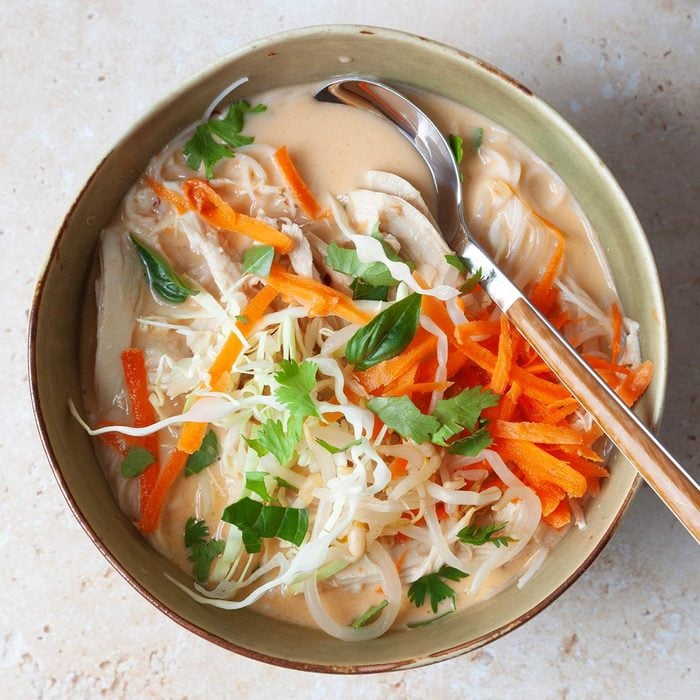
This flavorful soup comes together super quickly by relying on Asian sauces and condiments with tons of flavor, rotisserie chicken and shredded vegetables. Thai red curry paste, brown sugar, fish sauce and garlic salt give the coconut milk base spice, salt and just enough sweetness to feel balanced. Be sure to use unsweetened canned coconut milk, not a carton of nondairy milk— it won’t have the same richness.
Shrimp Pho
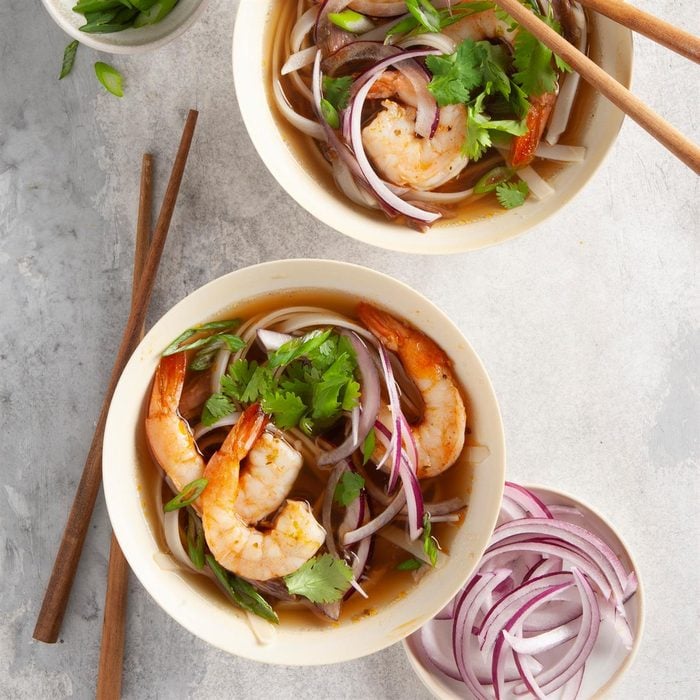
My family always uses this shrimp pho recipe. I've added a few modern cooking techniques to build upon its already full-bodied flavor. The stock can be made ahead to save time on the day you'd like to serve it. —Terry Nguyen, Lawrenceville, Georgia
Making homemade pho broth takes time, but the silky texture and meaty flavor, punctuated with umami accents of fish sauce and soy sauce and fragrant dried spices, simply can’t be replicated with boxed broth. Take an afternoon to make a big batch to stock your freezer because the rest of this recipe comes together very quickly. Between the broth and the marinated shrimp that go on top, you’ll need around 1/2 cup of fish sauce, so make sure you aren’t running low before starting.
Vietnamese Noodle Salad with Pork
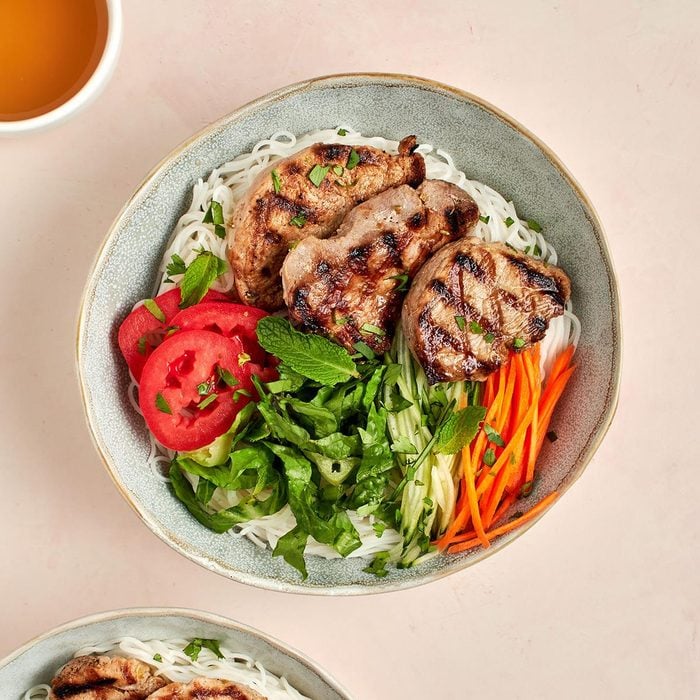
The only complex thing about this easy salad is the flavor! With smoky barbecued pork and a variety of fresh herbs and vegetables, this is a comforting and tasty home-cooked meal. —Rosalyn Nguyen, Astoria, New York
The trio of fish sauce, lime juice and brown sugar does a lot of work in this recipe. It’s the base of the marinade for the slices of pork tenderloin and it’s in the dressing drizzled over the assembled bowl of cold rice noodles, fresh veggies and grilled pork. You can marinate the pork for as little as three hours, but I really recommend letting it sit overnight to infuse the sour, salty and sweet flavors throughout the meat.
Slow-Cooker Korean Beef

This tender, slowly cooked beef is flavored with plenty of garlic and ginger along with vinegar, sugar and a tablespoon of fish sauce. If you want a more assertive flavor, sprinkle a little more fish sauce onto the shredded meat before serving; the warmth will make the fish sauce even more fragrant. I also recommend a side of crunchy kimchi; our Test Kitchen sampled a bunch to find the best kimchi brands, if you need a recommendation.
Thai Curry Soup
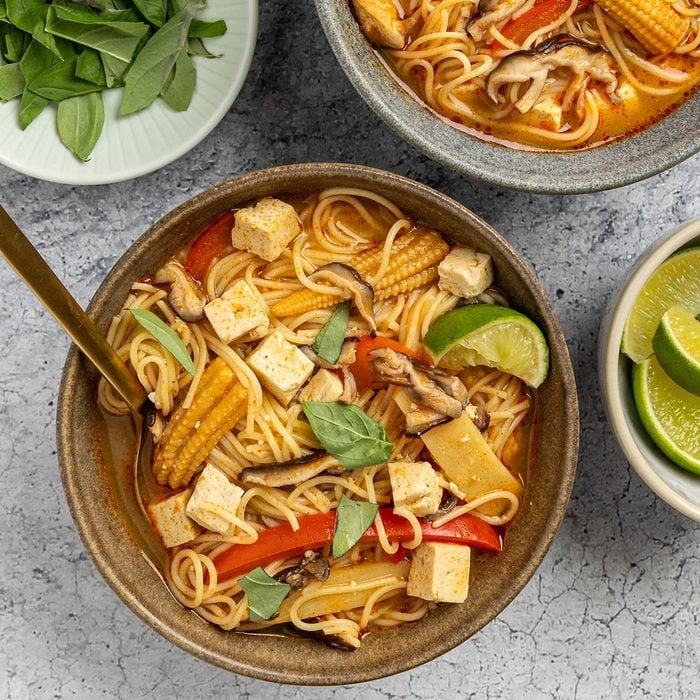
This tofu and veggie soup is chock-full of baby corn, bamboo shoots, thin rice noodles, mushrooms and peppers, so even though it’s meatless, it’s still very hearty. There is only 1 tablespoon of fish sauce in the broth, which is made with light coconut milk and red curry paste, so it’s more of a seasoning and background flavor than a bold taste. Feel free to taste the broth as it simmers and add a little more if you like.
Fish Sauce Recipes FAQ

What is fish sauce?
Fish sauce is a fermented sauce made from fish (usually anchovies) and salt. There are variations depending on the brand and the country where it’s made, so it can also include other fish or shellfish and sugar, but that’s really the extent of the differences. You can substitute it for soy sauce or even Worcestershire sauce in small amounts, but Worcestershire sauce is more tangy and soy sauce is more earthy than briny, so the dish won’t taste exactly the same.
My favorite brand is Red Boat, a Vietnamese sauce made only from anchovies and salt. The aroma is intense, but beyond the initial hit of fishy funk, there are hints of earthiness and toast-like notes. I mostly prefer it because the flavor is very clean and not overly salty, making it easy to integrate into a variety of dishes without overpowering more delicate herbs and spices.
What are the best ways to use up a bottle of fish sauce?
Fish sauce is more versatile than you might think, so you can easily use up a bottle by shaking a bit into creamy dressings, stirring it into stew recipes before serving as a final seasoning, or making it into quick dipping sauces with vinegar, sugar and soy sauce for everything from savory Asian dumplings to fried calamari. Similar to miso paste, the umami in fish sauce adds a hard-to-describe flavor that makes everything taste more vibrant and seasoned. Start with small splashes, and you’ll be through the bottle before you know it.
How long does fish sauce last?
Fish sauce is a fermented condiment, and fermentation is a preservation method, so it lasts a very long time—technically, indefinitely. However, over time, the flavor, color and texture will change. You may notice salt crystals, a lighter color and a milder flavor. It doesn’t mean it’s gone bad, but it won’t have the same punch as a fresh bottle. I just checked my fish sauce, and its “Best Used By” date is over a year from now. And I bought it over a year ago. It’s still fantastically fishy.
Fish sauce is one of those condiments that don’t need to be stored in the fridge, but many bottles recommend refrigeration after opening to preserve the flavor and color for longer. If you do store it at room temperature, keep it in a cool, dark cupboard or pantry.