An entire cast of Asian sauces is ready to fill your pantry and refrigerator, whether you're craving sweetness, saltiness, acidity or umami. Here are the ones you need.

Soy Sauce
Soy sauce is incredibly versatile with its deep, salty flavor. Also called shoyu, soy sauce is a fermented blend of soybeans and wheat and is used in dipping sauces, marinades, soups and much more. Most grocery stores sell a few different soy sauces, such as low-sodium and tamari, which is a type of soy sauce typically made without wheat. But that’s just the tip of the iceberg. Asian markets have entire aisles dedicated to different soy sauces spanning various cultures, each having its own texture, flavor and purpose.
Chinese light or dark soy sauce differs from Thai or Japanese versions, as well as sweet soy sauce, such as Indonesian kecap manis. If a recipe just calls for soy sauce, you can use whatever you find at any grocery store for recipes such as soy sauce chicken or San Francisco-style Vietnamese American garlic noodles. Our guide to the best soy sauce will help you choose one.
When the bottle is almost empty, try one of these soy sauce recipes to finish it. If you need a gluten-free option, tamari is often gluten-free, or you could try coconut aminos, which has a similar dark color but a lighter, slightly sweet taste.

Chili Crisp
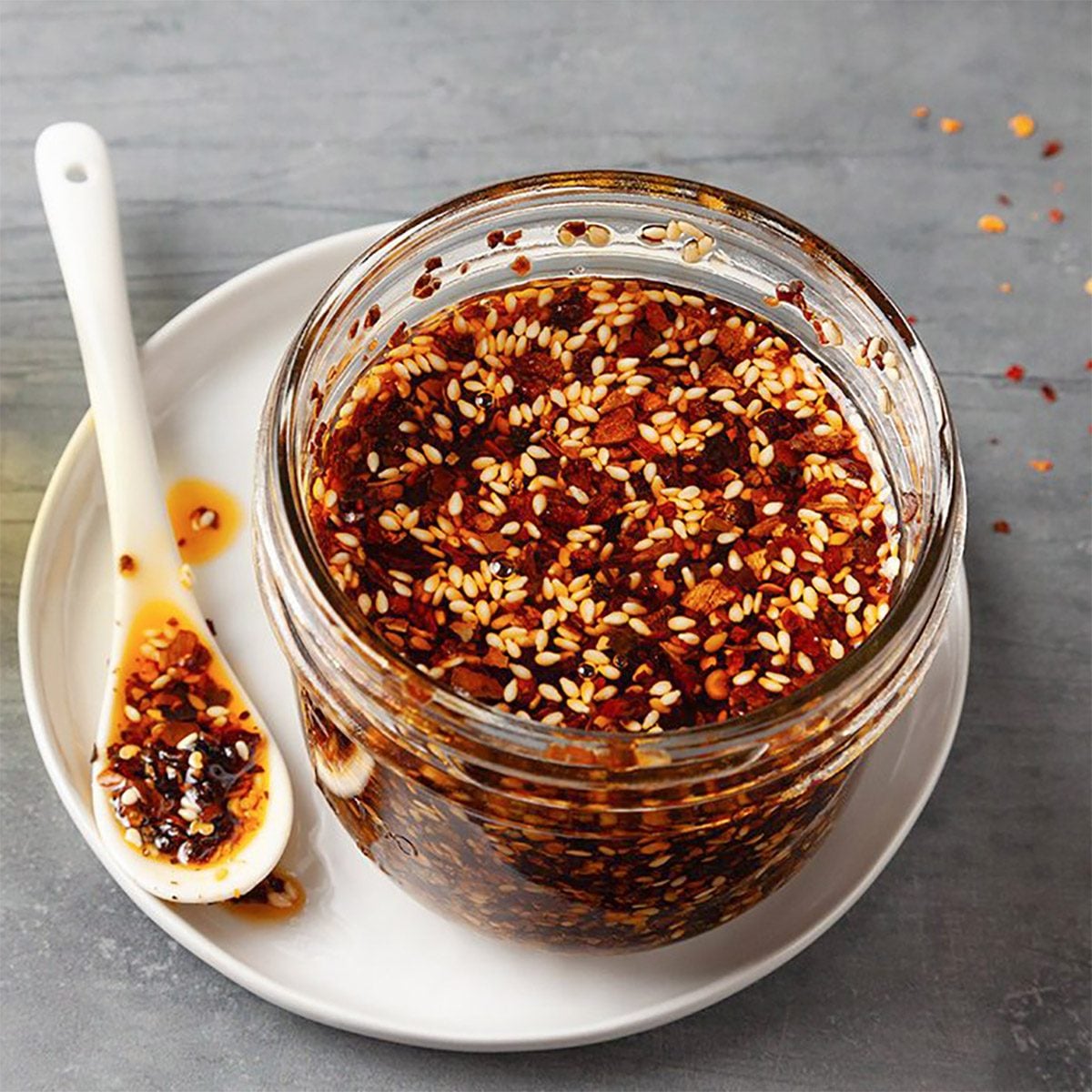
Whether you want to add heat to a stir-fry or a crunchy drizzle to steamed dumplings, chili crisp is the chunky, oil-based Asian sauce for the job. Chili crisp is a combination of toasted chiles and other aromatics that can include soybeans, sesame seeds, onion, garlic, dried shrimp and peanuts, all suspended in oil. The combination of crunchy bits and the oil-to-ingredient ratio varies between brands, so you may have to try a few to find your favorite. Or, you can make homemade chili crisp and tailor it to your liking.
Chili crisp originated in China, but its spicy flavor and crackling texture have made it popular in all kinds of dishes, from fiery chili crisp eggs and buttery biscuits to avocado toast and ramen recipes. You can cook with chili crisp or spoon it onto your meal right from the jar. When heating chili crisp, use moderate heat so the toasted chunks don’t burn.

Sriracha
Sriracha is a bright red chili sauce with Thai origins, though the most prolific brand, Huy Fong Foods, is made in California. Huy Fong’s logo has led Sriracha also to be called “rooster sauce.” It’s spicy, but not numbingly so, and a little sweet, with a sharp vinegar and savory garlic flavor. It’s thicker than many hot sauces, like a thin ketchup, so it stays put when drizzled over eggs, fried rice recipes or crispy dumplings.
Although Sriracha is perfect for drizzling over whatever is for dinner, it’s also a flavorful, fiery ingredient to cook with. There are countless recipes with Sriracha, whether it’s used in a glaze for chicken, whisked into mayo for sandwiches and burgers, or tossed with fresh vegetables for a boost of heat.

Fish Sauce
No Southeast Asian meal is complete without fish sauce. This intensely salty, dark sauce, made from fermented fish and krill, is pungent, but the flavor softens slightly when splashed into Thai curries or mixed with garlic, lime, fresh chiles and sugar as a dipping sauce for crispy spring rolls or grilled meat. Fish sauce is an essential Thai ingredient, widely used in soups, noodle dishes and sides, but it’s also prevalent in Vietnamese recipes, especially in nuoc cham, a spicy, tangy sauce used in a multitude of dishes.
Even though fish sauce is very bold, I find that using a small amount in vegetable stews or tofu recipes gives the dish a huge umami boost without actually tasting like fish sauce. Outside of classic Asian recipes, fish sauce can add a salty edge to plenty of other dishes. Try it instead of anchovies in Caesar salad dressing, or mix a small amount into homemade barbecue sauce recipes instead of Worcestershire sauce.

Hoisin Sauce
Hoisin sauce is sweet, salty and aromatic with a thick texture similar to an American barbecue sauce. The Chinese sauce is made from fermented soybeans, sugar, vinegar, garlic and spices, including five-spice powder, which is the most notable taste.
Hoisin sauce can be used as a glaze, as in this hoisin pork tenderloin recipe, whisked into dipping sauces and marinades, or used right from the jar in a variety of East and Southeast Asian dishes such as Peking duck or shrimp pho. Since it has a good amount of sugar, it caramelizes beautifully on the grill or in a hot oven, but you also need to watch that it doesn’t burn, which can make it taste bitter.

Oyster Sauce
This savory, dark, slightly sweet sauce is actually made from oysters or oyster extract. Oyster sauce originated in China, but it’s extremely versatile, making it a favorite throughout Asia and commonly used in Cambodian, Vietnamese, Thai and Malay cuisines. It’s similar in thickness to molasses (though not as syrupy), so combining oyster sauce with liquid ingredients, like soy sauce or vinegar, gives the thinner sauces body and deepens the color.
Add oyster sauce to sauteed vegetables, such as bok choy or broccoli, for extra seasoning and richness. Or, add it to stir-fry recipes with meat, tofu or seafood. It’s a classic ingredient in noodle dishes like pad see ew and shrimp mei fun, and it is also great in more creative recipes like this baked fried rice. If you have a shellfish allergy, look for a vegetarian version of oyster sauce.

Gochujang
With its red color and thick texture, this sweet, spicy, fermented paste is a staple in Korean cuisine. There are different types that range in heat level, from somewhat mild to extremely hot. Gochujang can be cooked or used right out of the container. It shines in bibimbap and tteokbokki, and is a critical part of ssamjang, the savory Korean sauce served with lettuce wraps or as a dipping sauce for vegetables.
It’s a delicious addition to recipes with kimchi, such as kimchi jjigae, as it balances the funk and acidity of the fermented vegetable. But it can also add flavor to meat and simmer into a thick sauce, as in these Korean meatballs. It can even be a delicious addition to desserts, like these gochujang caramel cookies, if you love sweet-and-salty treats.

Sambal Oelek
Sambal oelek is a spicy, bright red Indonesian crushed pepper sauce. Traditionally, it’s made only with chiles, salt and vinegar, so the pure flavor of the fiery peppers is right up front. Sambal is slightly chunky, with visible pepper seeds, but still easy to spoon right out of the jar into soups, stir-fries or dipping sauces.
Sambal oelek is a versatile sauce that adds chile flavor and heat to everything from marinades to a quick peanut satay sauce. It can be used as a Sriracha substitute but lacks the sweetness to tame the heat and isn’t as smooth. Available at most large supermarkets, it’s often right next to chili garlic sauce, which has a similar label but it isn’t the same. Chili garlic sauce includes garlic and sugar, making it slightly thinner and sweeter.

Ponzu
Although it looks like regular soy sauce, this citrusy Japanese sauce has a more complex taste. Ponzu is made from soy sauce, citrus juice, vinegar, mirin, and sometimes bonito flakes or kombu for a briny finish and even more umami. The addition of lemon, yuzu or lime, along with vinegar, lightens the dark color and deep flavor of soy sauce for a brighter yet still savory option.
You’ll find it on supermarket shelves next to soy sauce and tamari. The label often features a picture of a citrus fruit to help shoppers quickly distinguish it from soy sauce. Although you can cook with it, ponzu is usually whisked into dipping sauces for dumplings or added to salad dressings to preserve its bright, light taste. I would drizzle a little into this easy dumpling soup before serving as a finishing seasoning, or use it instead of soy in this ginger salad dressing for a citrusy boost.
XO Sauce
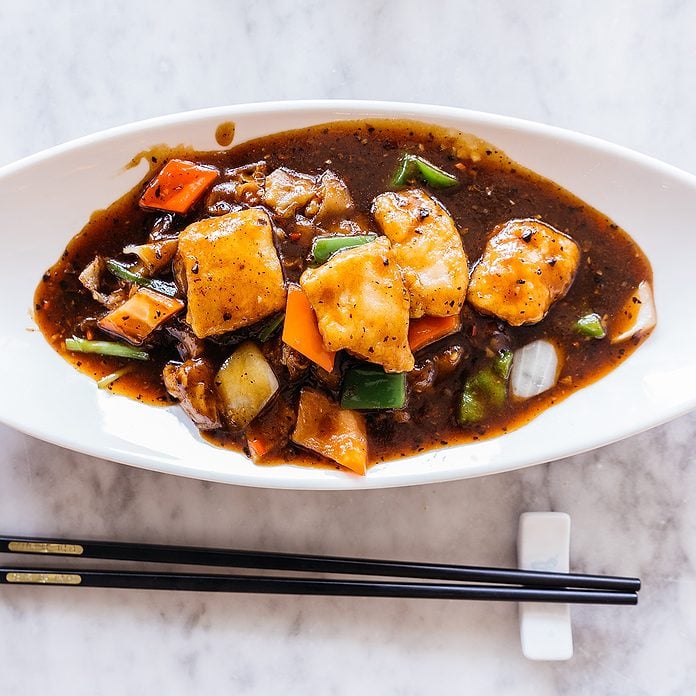
This spicy, savory seafood sauce was created in Hong Kong and is a pillar in Cantonese cooking. Similar to chili crisp, it’s chunky rather than smooth. The relish-like mixture of dried shrimp and scallops, ham, onions, chiles, garlic and oil is considered a luxurious sauce due to the pricy ingredients. You can make it from scratch, but it’s a labor-intensive process, so picking up a jar at your local Asian market is the easier route.
XO sauce can be added to stir-fried vegetables, fish and seafood recipes, or spooned over rice or noodles. Since it has so many complex flavors and is a little expensive, it’s often enjoyed with simple dishes so you can taste all the different ingredients in the sauce.

Banana Ketchup
Banana ketchup is a Filipino sauce that was created as a solution to a tomato shortage during World War II. It’s made similarly to tomato ketchup, with sugar, vinegar and spices, but it includes bananas, which are abundant in the Philippines, instead of tomatoes. It’s a little sweeter than tomato ketchup but still tangy, so it’s great for serving with spicy or savory dishes like hot dogs and fried chicken.
Try banana ketchup on tortang talong (eggplant omelets), Filipino-style spaghetti or as a dipping sauce for lumpia (Filipino egg rolls). Banana ketchup can be ordered online or purchased at a Filipino market, but it’s also stocked at many larger grocery stores.

Tamarind Concentrate
Somewhere at the intersection of sweet, sour and savory is tamarind. Tamarind trees grow in tropical regions, and the fruit forms as large, brown pods on the branches. Inside the pods are seeds and a sticky brown paste. You can buy whole pods or a thick block of pulp, but tamarind concentrate has already been soaked, strained and thinned to a sauce consistency so it’s ready to go. Tamarind concentrate is widely used across India, Southeast Asia and Africa, as well as Mexico and Latin America.
Tamarind’s sour, fruity taste is used in chutneys, curries, noodle dishes, sauces and even candies. Its intense flavor means that even once it’s mixed with salty fish sauce, bright lime juice and brown sugar for recipes like this chicken pad Thai, the deep, sour flavor still comes through. In Mexico, tamarind agua fresca, a simple drink of sweetened, diluted tamarind, is refreshing and popular.
Sweet Chili Sauce
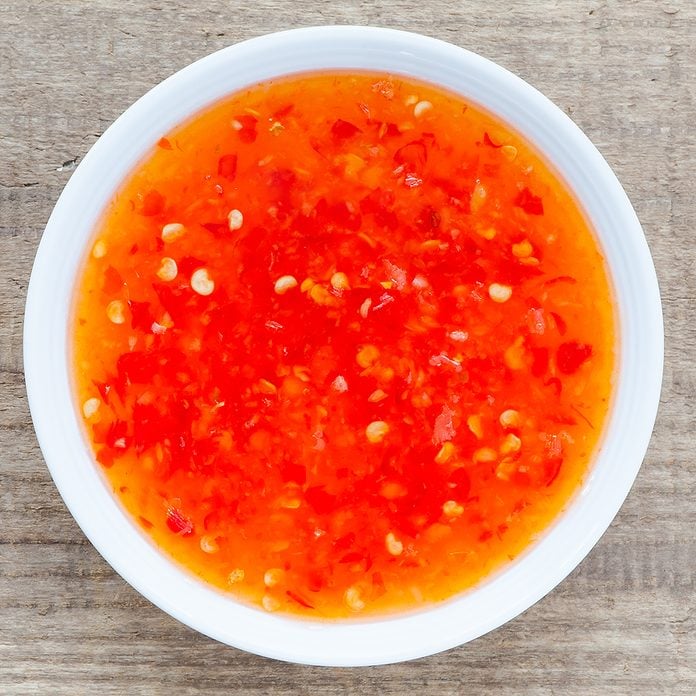
If you crave heat and sweetness, sweet chili sauce is the way to go. It’s syrupy and slightly translucent, but there is enough garlic, vinegar and salt to skew it as a savory sauce. Sweet chili sauce originated in Thailand, but it’s used across Southeast Asia to provide a sweet confetti burst of chili flakes that pairs nicely with fried spring rolls and roasted meats.
Sweet chili sauce is great in a dipping sauce for crunchy coconut shrimp, as a marinade for Asian chicken wings or to flavor ground meat in a Thai larb gai. I add it to stir-fry sauces so it caramelizes in the hot pan and use it instead of sugar in vinaigrettes when I want some spice. It would also be a great substitute for hot honey with fried chicken or drizzled over roasted sweet potatoes.

Teriyaki Sauce
Teriyaki is actually a Japanese cooking method, derived from the Japanese words for “grill” and “shine,” in which meats are brushed with a sweetened sauce that cooks into a glaze over the heat. It’s thought that Japanese immigrants in Hawaii created teriyaki sauce as a shortcut ingredient. At its most basic, teriyaki sauce is a sweetened, slightly thickened soy sauce perfumed with aromatics like ginger. From there, recipes vary widely and can include pineapple juice, garlic and sesame seeds.
One of the most classic teriyaki sauce recipes is teriyaki chicken, but you don’t have to stop there. Use it in marinades for steak and shrimp kabobs, beefy Hawaiian burgers and grilled pork tenderloin. It can be reduced slightly to thicken its consistency and intensify the flavor, as in this teriyaki mahi mahi or the filling for these copycat lettuce wraps. Try replacing half the soy in your favorite dipping sauce with teriyaki for a slightly sweeter, more aromatic result.
Asian Sauces FAQ
What’s the best way to store Asian sauces?
Some Asian sauces should be stored in the refrigerator once opened, especially sugary ones such as sweet chili and hoisin sauce. Other condiments don’t need to be refrigerated and are fine in a cool, dark place, such as sambal oelek, chili crisp and Sriracha. Refrigeration will keep sauces fresher for longer, so there is no harm in refrigerating them if you have the space. If you have any doubts, you can check the label for storage recommendations.
What other condiments should I use with Asian sauces?
This list includes some of the most commonly used Asian sauces, but they are often combined with other ingredients that are helpful to have in your kitchen, such as toasted sesame oil, rice wine vinegar, mirin, miso or chili oil. These condiments work hand in hand with Asian sauces to create a balanced dish that’s savory, tangy, salty, sweet and full of umami. You might also consider picking up Thai curry paste, Chinese black bean sauce and Shaoxing wine, which are frequently called for in recipes.
There are also some condiments that aren’t Asian in origin, like Maggi seasoning (invented in Switzerland), but they are commonly used in Asian recipes. Maggi is deeply salty and usually contains MSG, giving recipes a distinctive flavor that can’t be replicated with other ingredients. Since most of these condiments use small amounts and have long shelf lives, it’s worth stocking your cabinets.
What are the most popular Asian sauces?
The most popular Asian sauces are used across multiple countries and in a huge range of recipes, from roasted meats to no-cook dipping sauces, such as soy sauce, fish sauce and oyster sauce. There is subjectivity to the word “popular,” as one part of the world may use hoisin more than sweet chili sauce or sambal oelek more than Sriracha. Even within soy sauce, it’s hard to narrow down the most popular type, since each variety, from low-sodium to light or dark, serves a different purpose.