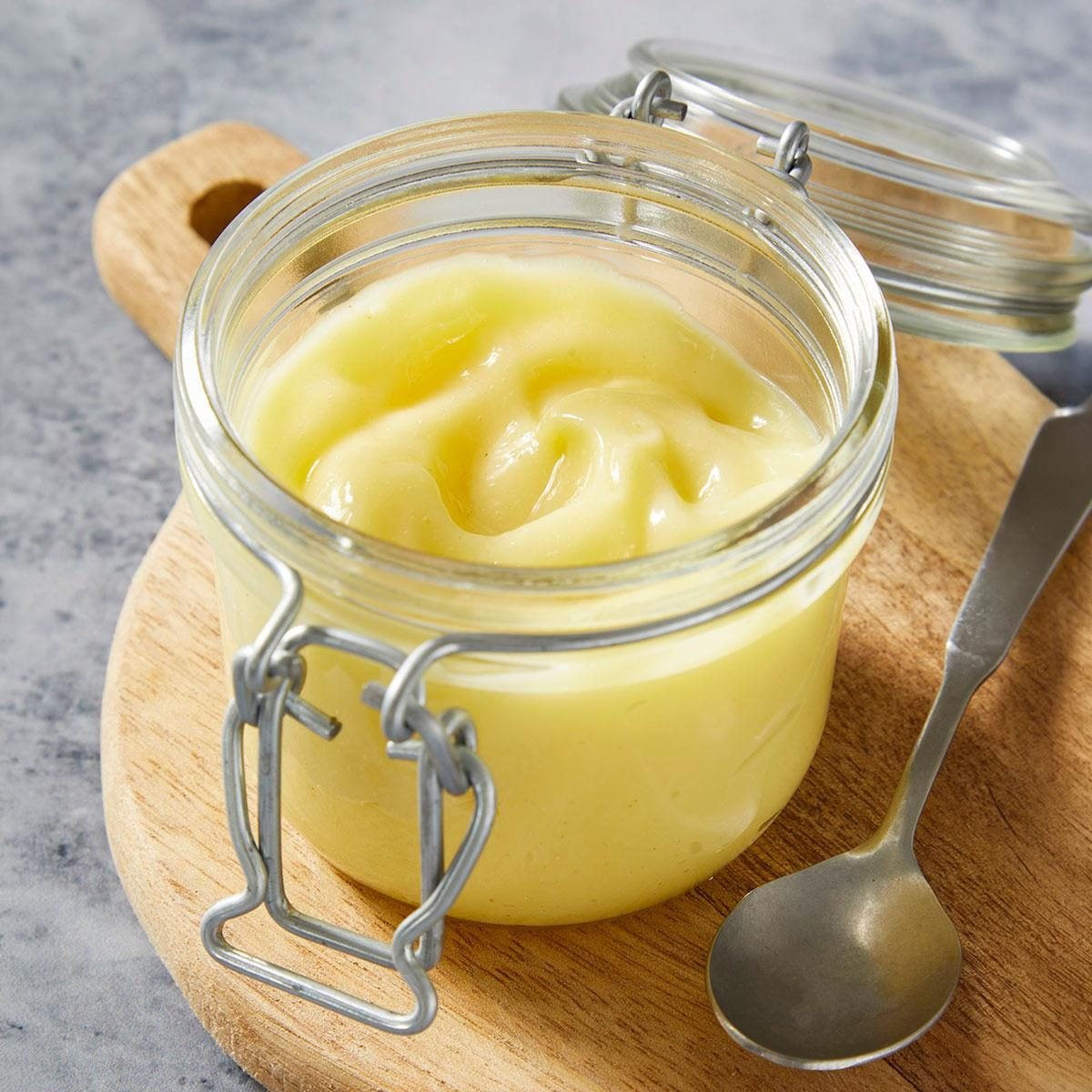
Skip the trip to the specialty grocer for Kewpie mayo; this Japanese mayo recipe is easy to make at home.
Japanese mayo is similar to standard mayonnaise, made by emulsifying egg, oil, Dijon mustard and acid. However, what makes Japanese mayonnaise distinct is a rich, bold egg flavor combined with an umami punch from a small amount of monosodium glutamate (MSG). This Japanese mayo recipe makes about 3/4 cup from pantry ingredients like egg, oil and salt. And you can whip up a fresh batch in under 10 minutes, perfect for an egg salad sandwich or creamy salad dressing.
What is Japanese mayo?
Japanese mayo is a condiment from (where else?) Japan—we’d even call it an essential Japanese ingredient. The most popular brand, Kewpie, packages its mayo in a soft squeeze bottle with a narrow spout that makes it easy to use. According to the brand, Kewpie founder Toichiro Nakashima first developed the mayo in 1925 after a visit to the United States. He used twice as much egg yolk as imported mayonnaise to make it nutrient-rich and packed with flavor.
Ingredients for Japanese Mayo
- Egg yolk: Separate the egg white from the yolk, and save the egg white for another use. Let the egg yolk sit on the counter for about 30 minutes so it can come to room temperature.
- Dijon mustard: You can really use any mustard for this recipe, but Dijon has a zippy, spicy flavor that adds oomph to an otherwise rich and creamy homemade condiment.
- Canola oil: Neutral oils like canola oil work best. They’re light, and don’t contribute too much to the flavor. I don’t recommend using olive or coconut oil, as they won’t emulsify properly and have a much stronger flavor.
- Sugar: We sweeten the Japanese mayo a tiny bit with granulated sugar. The sweetness doesn’t make it noticeably sweet; rather, it balances the rich, zippy, and umami flavors.
- Lemon juice: Always use fresh lemon juice for the best, clearest flavor. Lemon juice adds brightness to the mayo, offsetting the fat from the oil and egg yolks.
- Rice vinegar: Like lemon juice, vinegar is a flavor enhancer, but it’s much sharper and cuts through the fat better. Plus, the notes of rice add a toasty flavor that’s lovely with the umami-rich dashi and MSG.
- Dashi powder and a pinch of MSG (optional): While dashi powder and MSG are optional, I highly recommend seeking them out for their umami-rich flavor. You can normally find them at your local Japanese market, but if you don’t have one near you, check out your grocery store’s international aisle.
Directions
Step 1: Combine the egg yolk and mustard

In a large mixing bowl, whisk together the egg yolk and Dijon mustard until they’re smooth.
Editor’s Tip: You’ll need some elbow grease here, but it’s not like making whipped cream, which can take quite a few minutes of vigorous whisking. This mayo takes just a few thorough beats to properly emulsify.
Step 2: Whisk in neutral oil
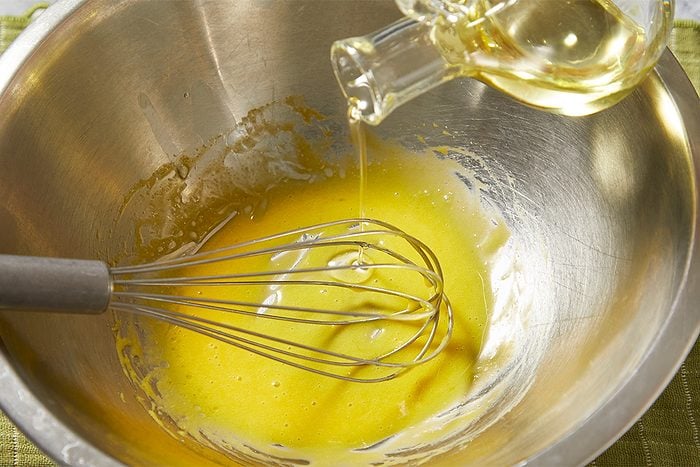
While whisking, gradually add the oil in a steady stream.
Editor’s Tip: You need to be careful to stream in the oil slowly, not dump it in at once, which can split the mayo.
Step 3: Add seasoning and vinegar

Add the salt and sugar, and continue whisking until they’re dissolved

Gradually stream in the lemon juice, rice vinegar, and, if using them, the dashi and MSG. Whisk them until mixture is smooth and pale.
Taste the mayo, and adjust the seasonings as desired.
Step 4: Chill the mayo
Serve the Japanese mayo or refrigerate it in a sealed container for up to a week.

How to Use Japanese Mayo
Japanese mayo can be enjoyed in all the ways you’d enjoy American mayo, plus it pairs really well with all kinds of Asian dishes. These are our favorite ways to use Japanese mayo:
- On a sandwich: Spread Japanese mayo onto bread just as you would onto a lunch sandwich. This mayo pairs well with chicken and turkey deli meat and all the usual veggie fixings. Also, if you like to use mayo instead of butter for a grilled cheese, reach for this Japanese mayo.
- In a salad: Mix Japanese mayo into potato salad or an egg salad for a deep, savory flavor.
- Mixed into crab cakes: The umami nuance of Japanese mayo pairs well with the usual crab cake ingredients. Use Japanese mayo in place of the regular mayo measurement.
- As a meat tenderizer: Mayo is an excellent marinade ingredient for tenderizing chicken, locking in moisture while promoting a browned crust. Use this Japanese mayo to tenderize all of your favorite Japanese chicken recipes.
- As a topping: Add this Japanese mayo to a squeeze bottle and use it on sushi hand rolls (it’s excellent on a California roll), salmon poke bowls or okonomiyaki (a type of savory Japanese cabbage pancake).
How to Store Japanese Mayo
Like American-style mayonnaise, Japanese mayonnaise should be stored in the refrigerator in an airtight container. This could be a small glass dish, Mason jar or a squeeze bottle.
How long can you store Japanese mayo?
Japanese mayo will keep for up to one week in the fridge. Write the date on a piece of masking tape and tape it onto the outside of the mayo’s container so you can keep track of its freshness.
Tips for Making Japanese Mayo

Do you need to whisk Japanese mayo by hand?
No; in fact, homemade mayonnaise is easy to make with a blender, food processor or immersion blender. But this recipe makes such a small volume that it won’t properly emulsify in a blender or food processor. Plus, having the hands-on feel of using a whisk makes it easier to know when the ingredients have properly blended together.
Why did my Japanese mayo break?
Your Japanese mayo might have broken because the oil was added too quickly, or because the ingredients were too cold. To combat this, add your oil in a slow, steady stream so the mayo doesn’t get overwhelmed. Take your eggs out of the fridge 30 minutes before starting the recipe. If you keep your Dijon, lemon juice and vinegar in the fridge, too, take them out along with the eggs so everything can come to room temperature.
What’s the difference between Japanese mayo and regular mayo?
There’s a reason Kewpie is used to accentuate Japanese dishes like egg salad, rice bowls, ramen, poke and okonomiyaki. It has a creamier, richer, slightly sweeter flavor with more umami than the jars of Best Foods or Hellmann’s that Americans are accustomed to. Kewpie gets that flavor from egg yolks instead of whole eggs, and rice vinegar rather than white vinegar.
Ingredients
- 1 large egg yolk, room temperature
- 1 teaspoon Dijon mustard
- 1/2 cup canola oil
- 1/2 teaspoon kosher salt
- 1 tablespoon sugar
- 1 teaspoon lemon juice
- 1 tablespoon rice vinegar
- 1/4 teaspoon dashi powder, optional
- 1 pinch MSG (monosodium glutamate), optional
Directions
-
1In a large mixing bowl, whisk together egg yolk and Dijon mustard until smooth. While whisking, gradually add oil in a steady stream. Add salt and sugar, continue whisking until dissolved. Gradually stream in lemon juice, rice vinegar, and, if using, dashi and MSG, until mixture is smooth and pale.
-
2Use immediately or refrigerate in a sealed container for one week.