
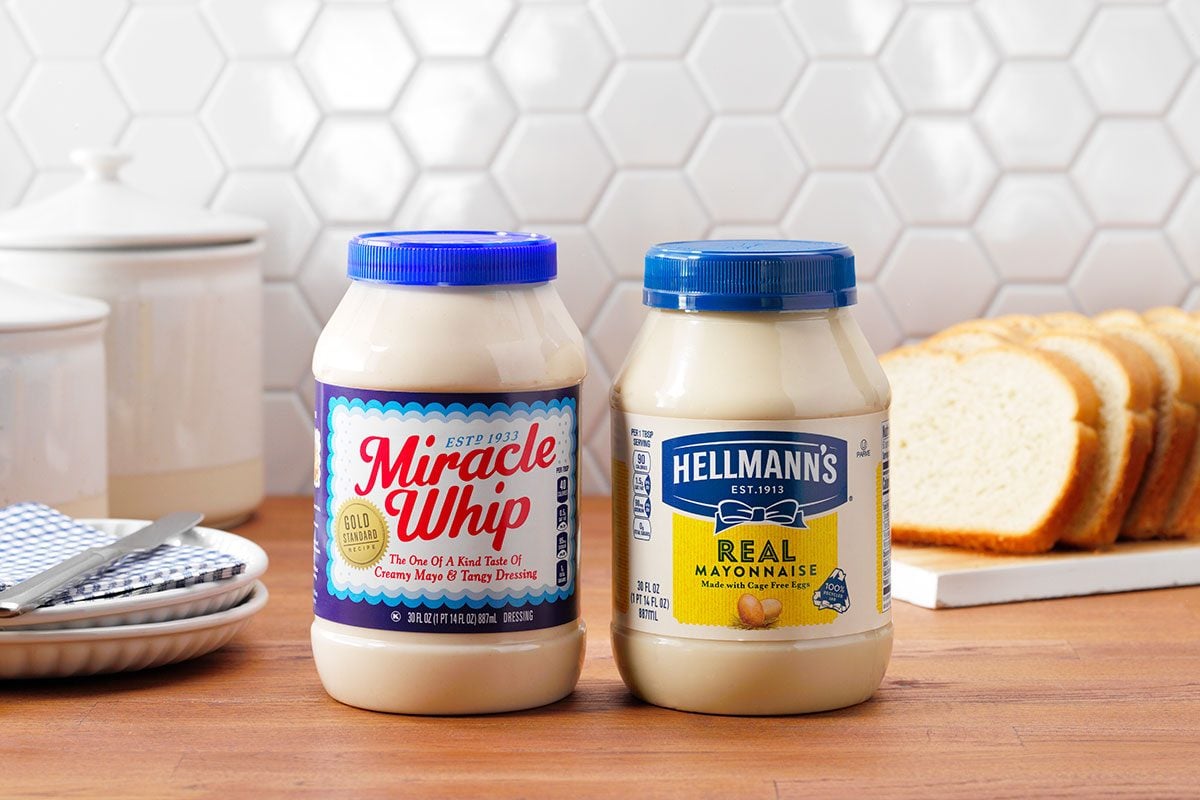
Is Miracle Whip mayonnaise? Is mayonnaise Miracle Whip? Here's the real difference between Miracle Whip vs. mayo—and whether you can use one in place of the other.
Mayonnaise might be the most versatile condiment on the planet. It’s responsible for some of our favorite homemade salad dressings and is an essential component of a good BLT. In fact, there are all kinds of surprising uses for mayonnaise, such as making a golden, crispy grilled cheese or a moist chocolate cake.
Miracle Whip isn’t just a specific brand name of mayonnaise; it’s actually a completely different product. And people are passionate about whether Miracle Whip or mayo is the best for sandwiches, salads and beyond—to the point where some won’t even touch a dish if it’s been slathered with their non-preferred condiment (i.e., my dad, who has a burning disdain for Miracle Whip).
And while some people are fine with swapping in one for the other (gasp!), the actual difference between mayo and Miracle Whip is a bit murky. So, we’re here to demystify the difference between these creamy spreads and explain any rules when it comes to substituting Miracle Whip vs. mayo.
What is mayonnaise?
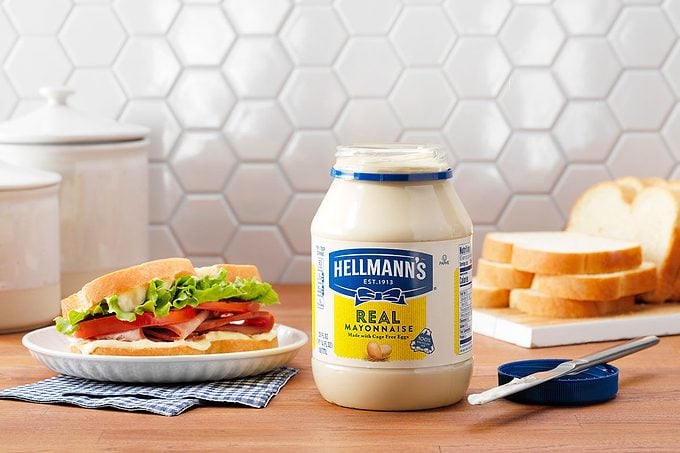
As the story goes, mayonnaise was invented in 1756 by a French chef who wanted to celebrate the duke of Richelieu’s victory against the British. He ran out of cream, so he decided to make his sauce with oil and eggs instead.
What he created was a delicious combination of fat and water held in suspension by an egg. The egg works like a magnet, bonding the fat from the oil and the liquid from the vinegar (or lemon juice). Unlike salad dressings that separate, the egg makes mayonnaise emulsified, giving it a thick, solid and spreadable consistency. It sounds complicated, but homemade mayonnaise is remarkably simple to make.
Homemade and store-bought mayo is rich and creamy, with just a hint of tang. That makes this condiment ideal for adding heft to party dips, using as a dunk for fries or saving a sandwich from being bone-dry.
There are some rules, though: According to the U.S. Food and Drug Administration (FDA), anything labeled as “mayonnaise” must contain 65% vegetable oil by weight. Which brings us to the major difference between Miracle Whip and mayonnaise.
What is Miracle Whip?
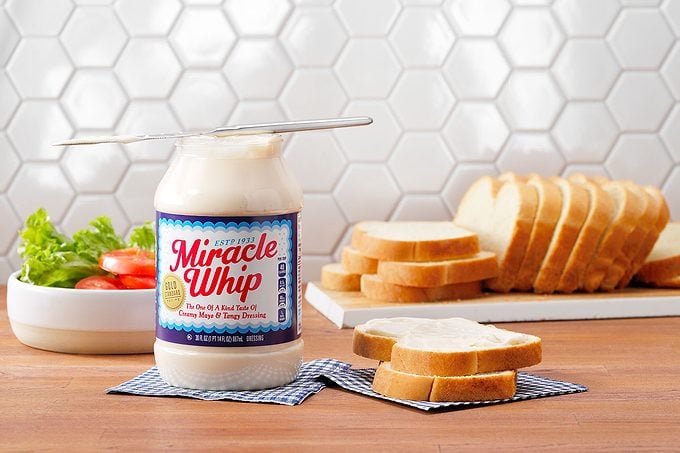
Miracle Whip was developed in 1933 as a cheaper alternative to mayonnaise. It has the same basic ingredients—eggs, oil and vinegar—but it also contains water, sugar and spices. That dilutes the condiment, reducing the amount of oil to less than 65%. Meaning, it’s not technically mayonnaise at all, and the FDA classifies it as a “dressing.”
The added sugar in Miracle Whip makes it perfect for recipes that benefit from sweet notes, such as Amish macaroni salad or a sweet and tangy cucumber salad.
Miracle Whip vs. Mayo
The difference between mayo and Miracle Whip comes down to the oil content. Mayonnaise contains at least 65% oil, giving it more body than Miracle Whip, which is made with less oil.
Technicalities aside, most people feel the real difference between mayonnaise and Miracle Whip is in the flavor. Miracle Whip is usually described as sweeter and spicier than mayo, which some people prefer. Mayonnaise is richer, with a lightly sour taste and an eggy aroma. They both have a similar creamy texture, though Miracle Whip is thinner, almost liquidy compared to mayo.
Can I substitute Miracle Whip for mayonnaise?
When it comes down to it, mayonnaise and Miracle Whip work the same in most recipes. Feel free to substitute equal parts Miracle Whip for any uncooked recipe that calls for mayonnaise (and vice versa), depending on your taste preferences.
If you’re baking or using mayonnaise to make a grilled cheese, use full-fat mayonnaise only. Save the reduced-fat or fat-free mayonnaise for a classic macaroni salad, and skip the Miracle Whip because anything other than full-fat mayo can separate and become greasy when exposed to heat. That means using Miracle Whip could lead to baking fails in cakes or other baked goods. It may not contain the right proportion of eggs or fat for the recipe, so experiment at your own risk!
Which is healthier, Miracle Whip or mayonnaise?
| Full-Fat Mayo | Miracle Whip | |
| Calories | 90 | 40 |
| Fat | 10g | 3.5g |
| Carbs | 0g | 2g |
| Protein | 0g | 0g |
When it comes to nutrition, Miracle Whip contains about half the fat and calories compared to mayonnaise, so it’s often the go-to choice for those counting calories. That said, it’s sweetened with high-fructose corn syrup and it contains more sugar (and therefore carbs) than most brands of mayonnaise. It’s not the worst condiment for sugar content, but sugar is there if you’re watching your intake.
Ultimately, which is healthier comes down to your specific health concerns and needs. Those who are looking to cut calories, fat and sugar may want to consider swapping either of these spreads for plain Greek yogurt.