
These miso recipes offer countless ways to use the savory fermented paste, including an always-satisfying miso soup, to help you use up an open container and then send you back to the store for more.
Miso Chicken Thighs

There are sheet-pan dinners that feel like a refrigerator clean out—absolutely no shade. Then there are composed elegant recipes, like this meal of buttery miso and maple-glazed chicken thighs with roasted potatoes and onions. It does need a while in the oven, but it’s quick to assemble and then totally hands-off. Tackle those last tasks on your to-do list while it cooks and then sit down to a hearty dinner to finish the day.
Creamy Miso Pasta
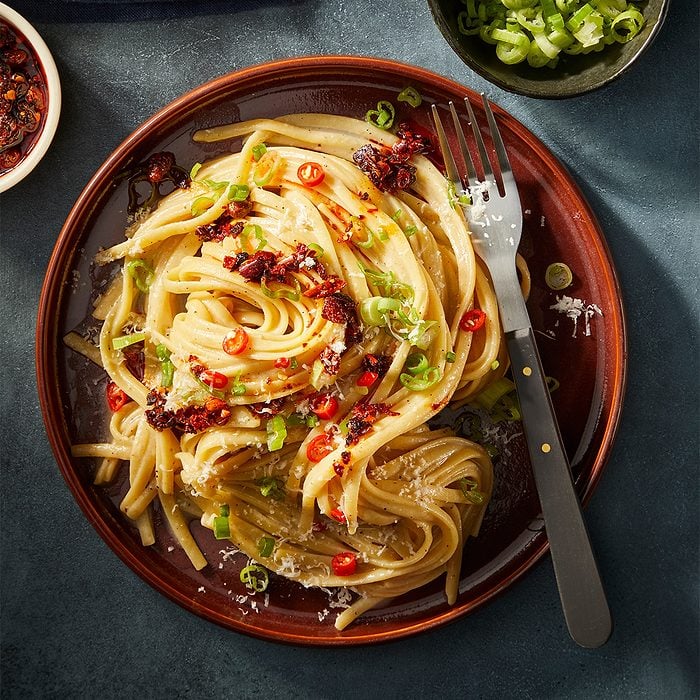
This simple pasta has all the silky sauciness of cacio e pepe but with a savory, buttery edge from a few tablespoons of white miso paste. Whisk the miso with hot starchy pasta cooking water until totally smooth—you don’t want to bite into a lump of salty miso or have it interrupt the glossy, slurpable texture of the coated pasta.
Peanut Butter Miso Cookies

If sweet and spicy is “swicy,” can this sweet and salty peanut butter cookie be labeled “swalty”? Maybe not, but don’t let that deter you from trying these umami-rich, nutty cookies that still hold the iconic fork indentation of a classic peanut butter cookie. Since peanut butter is already slightly salty, the addition of miso really pushes these toward the savory side of treats, but there is enough sugar to keep them just sweet enough. To keep that balance, be sure to use unsalted butter and peanuts.
Miso Butter

Many flavored butter recipes require just beating softened butter and aromatics together, but this miso butter goes further. First, simmer white miso with sugar, mirin, rice vinegar and grapefruit juice until thick, then beat in butter gradually. It’s rich, salty and just a little sharp. You need 1 cup of miso, so make sure you have a full container before getting started.
Miso Soup

Miso soup is commonly served as part of a Japanese breakfast, and I totally understand the appeal of starting your day with a nourishing bowl of warm, savory soup. Homemade miso soup requires only six ingredients (plus green onion for garnish), so there’s no reason to save it for eating out. You’ll need dashi powder and wakame flakes or nori sheets, but those are easy to pick up wherever you buy miso.
Miso-Roasted Carrots

These sweet and salty glazed carrots are super easy to make since the oven does all the work, yet the savory and sticky coating from miso, brown sugar, soy and sesame oil makes them taste as if you labored over them. Add all the suggested garnishes of cilantro, sesame seeds, green onion and chili crisp, or just pick one or two so the side pairs well with your main course, whether it’s an Easter dinner or a cozy Sunday supper.
Miso Ramen

This homemade miso ramen is a great rainy day project recipe. It does take some time to prepare each element, but it’s well worth it. This recipe has chewy noodles, crisp bok choy and asparagus, eggplant, jammy eggs and cubes of tofu, but the star of any ramen is the soul-soothing broth that binds it all together. To ensure the broth has a deep, earthy taste, this recipe uses red miso paste, which is fermented longer than white miso and has a bolder flavor.
Miso Gravy

Even without turkey drippings or chicken broth, you can still make a thick, well-seasoned gravy for potatoes, meat or vegetables. Here, miso, along with cornstarch and seasonings, is whisked into a vegan roux-based sauce to thicken the broth and give it the umami you usually get from meat. But you don’t have to be a vegetarian to enjoy this gravy; try it on smoked turkey when you don’t have pan drippings. Plus, you need only 1 tablespoon of miso, so it’s great for using up the last of a package.
Miso Salmon

If you have ever devoured miso-glazed cod at a Japanese restaurant, you’ll want to try this quick salmon recipe with the same salty, nutty, slightly sweet vibes. Plus, it’s super easy to make, even on a busy weeknight. A quick marinade of miso, vinegar, honey, soy sauce and sesame oil bakes into a glaze in a hot oven, and a few minutes under the broiler caramelizes and chars the top. I recommend making extra salmon to flake into a salad for lunch the next day!
Miso Dressing
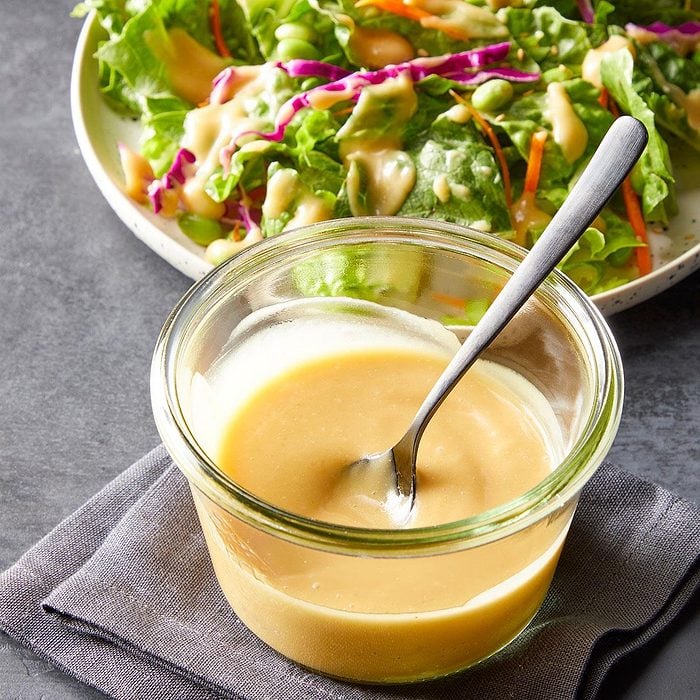
The standout of this thick, tangy dressing is the miso paste, which adds a nutty, earthy flavor and helps prevent separation. A small amount of honey counters the saltiness of the miso and soy sauce, but depending on the type of honey you choose, you may want to whisk in a touch more. Try it over a simple green side salad or in a loaded grain bowl—it’s flavorful enough to stand up to hearty ingredients.
Easy Dumpling Soup
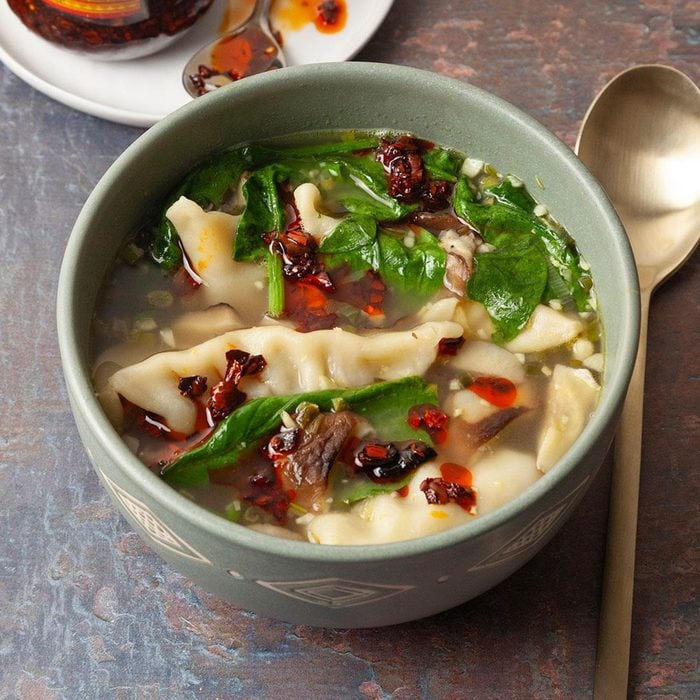
Frozen potstickers can be prepared as dinner in so many different ways, as in this easy yet hearty soup. A tablespoon of miso paste goes a long way toward making boxed vegetable broth taste more like homemade and giving the soup base body. Feel free to adjust the vegetables in the soup to what you have on hand, but don’t skip the chili crisp drizzle that adds a fiery touch to the whole bowl.
Cabbage and Broccoli Stir-Fry
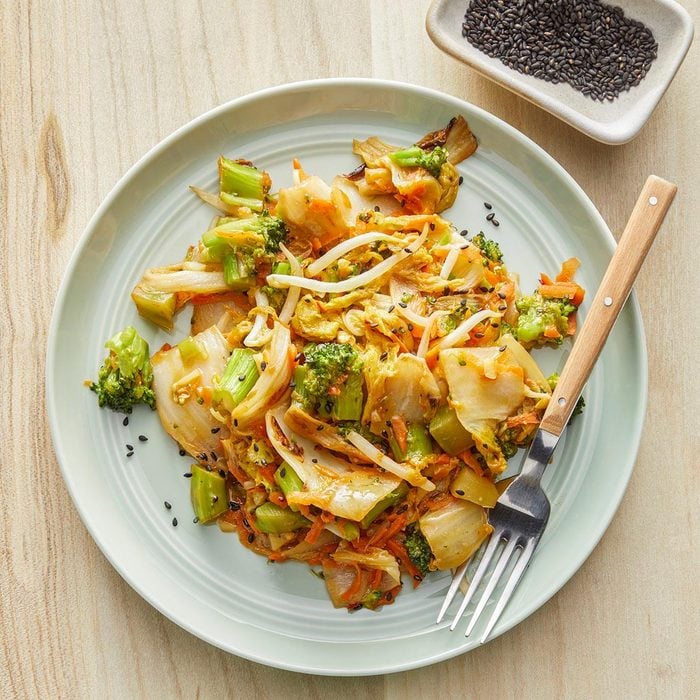
White miso, maple syrup and butter join more traditional stir-fry sauce ingredients (oyster and soy sauce) to coat quickly cooked cabbage and broccoli. Using more miso than soy sauce or oyster sauce creates a lighter-colored mixture that keeps the vegetables bright yet remains incredibly umami-forward. Serve the stir-fry over rice for a light lunch or dinner, or pair it with roast chicken recipes or brown sugar-glazed salmon.
Maple Miso Sweet Potato Casserole

Between the tahini, sesame seeds and miso paste, this sweet potato casserole is unlike the marshmallow-topped classic. Still, the butter, maple syrup, cinnamon and ginger mashed into the boiled sweet potatoes contribute the familiar flavors people know and love in sweet potato casseroles. If your miso is a little hard or crumbly, spoon some hot potato water over the miso in a bowl, let it sit, then mash it until smooth before adding it to the potatoes so it distributes evenly.
Tofu and Veggie Buddha Bowl with Miso Dressing
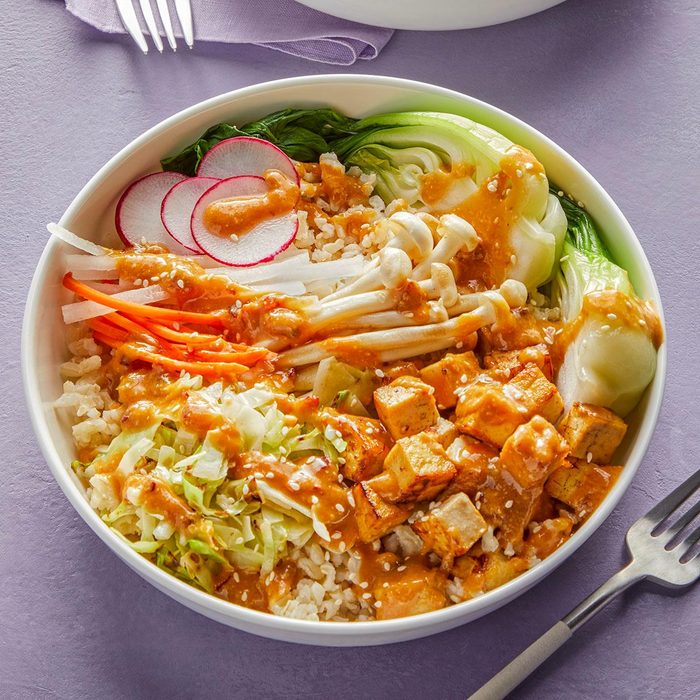
This colorful and hearty veggie, tofu and rice bowl is topped with a bold miso dressing that is just tangy, salty and spicy enough to wake up your taste buds. The bowl is also a perfect meal-prep recipe, since you can store the dressing, cooked veggies, raw veggies and rice separately, then assemble when it’s time to eat. You can easily include more ingredients to make it your own. Add some cubed, creamy avocado or use up a jar of kimchi with the last few spoonfuls for even more texture and flavor that pairs well with miso.
Miso Recipes FAQ
What does miso paste taste like?
Miso is a salty, fermented soybean paste, but unlike other fermented foods like sauerkraut or kimchi, it’s nutty and earthy rather than tangy or sour. White miso is milder than red, so I detect notes of caramel behind the upfront salinity. Those notes are one reason why white miso works so well in baking recipes with brown sugar or sauces sweetened with honey or maple syrup. Red miso is fermented longer, so it has a bit of an aged funk to it and a more intense saltiness. I like to think of white and red miso as mild versus extra-sharp cheddar—similar yet distinct.
How much miso should I use in my recipes?
There is no minimum or maximum amount of miso to use in recipes, though most of the recipes in this collection use just a few tablespoons, as a little goes a long way. When using miso, the most important thing to keep in mind is that it will add a good deal of salt to a recipe, so you need to be mindful of how much extra salt you use for seasoning and other high-sodium ingredients, such as soy sauce, and possibly reduce them. Sugar and vinegar help tame and balance the salinity, but it’s still best to add miso gradually until you find the right amount.
Does miso paste go bad?
Miso, sealed well and refrigerated, can last up to a year. It takes a really long time to go bad because fermentation is a preservation technique that prevents quick spoilage. As miso continues to ferment, it may darken in color or you may see white spots on the surface from the fermenting agent, koji, both of which are normal. If it starts to smell sour or you see any fuzzy mold, it’s time to toss it. I’ve also had the last bit of miso become dry and crumbly, but stirring it into hot water or broth and letting it sit will soften it back up.