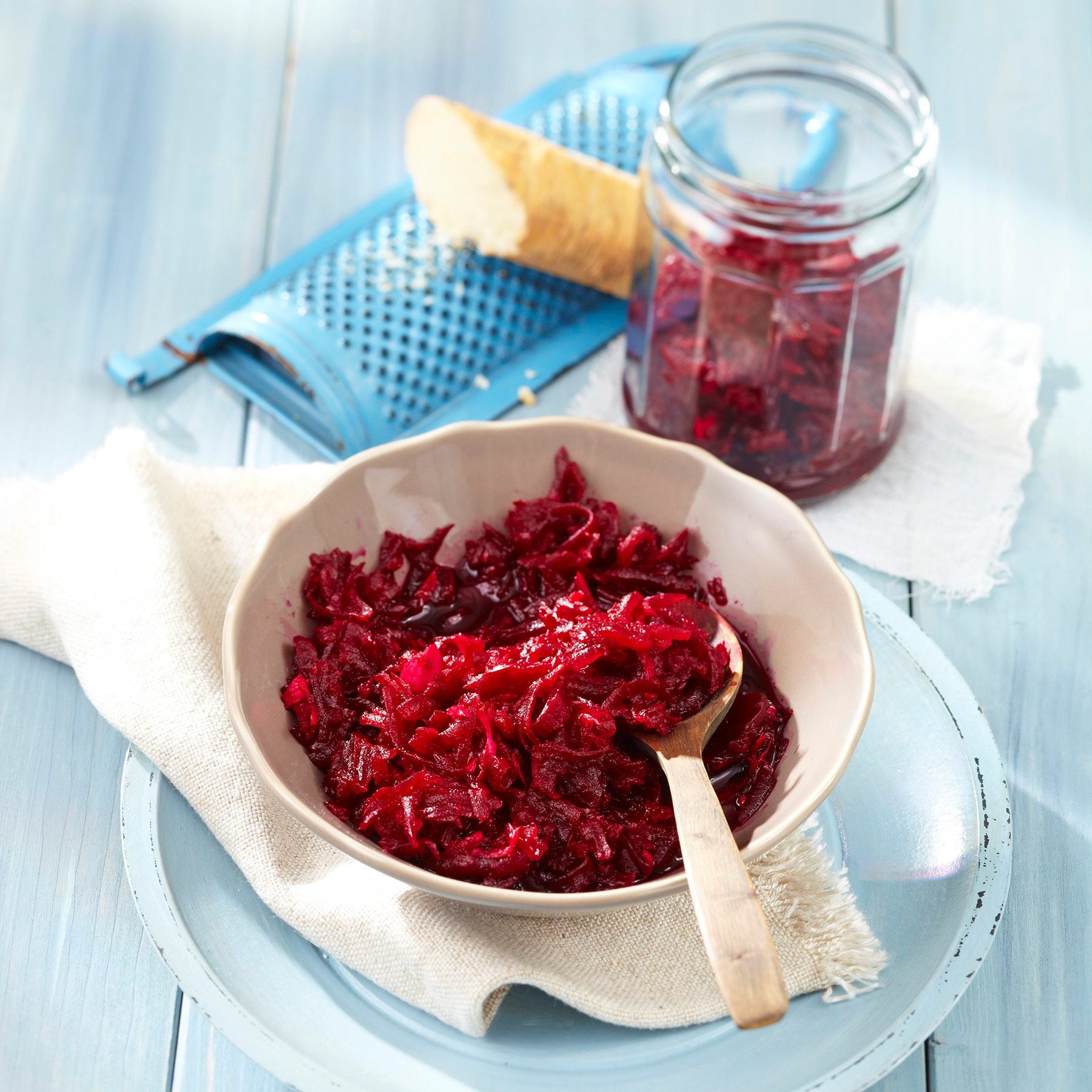
Relish is for more than hot dogs and burgers—and it doesn't have to be made from pickles. You can make this versatile condiment with anything grown in your garden!
As a part-time Chicagoan, I take my hot dog toppings very seriously. While the classic menagerie of veggies, condiments and seasonings for a Chicago dog is, of course, a must-have at summer gatherings, I often keep things more simple for casual dinners: just mustard, diced onion and relish. The part-tangy, part-sweet, all-green relish adds just the right amount of zip to balance the salty savoriness of the hot dog. But despite relish being among my favorite toppings, I’ve never thought much about what relish is.
Like you, I’ve seen relish at the grocery store, usually sold in jars labeled “sweet” or “dill pickle,” and thought it was just chopped up pickles. But it turns out there’s a whole world of relish beyond the popular hot dog and burger topping. Read on to learn what relish actually is and how to make it with almost any fruit or vegetable (seriously!).
What is relish?
Mariha-kitchen/Getty Images
Relish is a condiment made from finely chopped fruits or vegetables and vinegar. The vinegar works to preserve the fruit and vegetables, and it brings relish’s characteristic acidic tang. Without it, relish would be nothing more than a slaw or a salad! Unlike most condiments that have a smooth consistency (looking at you, ketchup and mustard), relish has a chunky texture.
In the United States, the most common relish is made from chopped pickled cucumbers, either dill or sweet pickles, which is why we often think of relish as just another kind of pickle. It is used as a topping on sandwiches and hot dogs, and is squirted into picnic salads and casseroles.
But in other parts of the world, popular relishes are made with other ingredients. In England, piccalilli is a turmeric-spiced relish made from cauliflower and other vegetables that’s served alongside ham, sausage or toast. In El Salvador, curtido (made from cabbage, onions and carrots) is served with pupusas, while Italy has mostarda, a fruit relish that’s served with fatty or rich meats.
How is relish made?
There are three key ingredients in relish: produce (like pickles, other veggies or fruit), vinegar and sugar. Additional ingredients are often added, including spices like mustard seed to make old-fashioned mustard pickle relish or mayonnaise to make crisp onion relish.
So what can be used to make relish? Try any fruits or vegetables that are in season, from zucchini and corn to cranberries and apples. Simply give your produce a fine chop and cook it down with some vinegar and sugar. Some of my favorite non-pickle relishes include tomato relish to use up a bumper crop and rhubarb relish so none of my farmers market haul goes to waste—not to mention onion relish, which I could put on literally everything.
What does relish taste like?
No matter the produce, relish will always taste fresh and tangy with bright, bold flavors and a rich, acidic aftertaste. That said, the exact flavor will vary depending on the ingredients used. Some are sweet while others are spicy and acidic. While some relish is softer than others, pickle relish should be crunchy and textured.
The Best Ways to Use Relish
While topping grilled burgers, hot dogs and sandwiches is the go-to way to use relish, it’s by no stretch the only way to use this condiment. I love adding a tablespoon (or several) of relish to my chicken salad for some acidity, and the same goes for potato salad. Relish is also fantastic in casseroles (like this Big Mac casserole), pastas and salads that lean into a burger or hot dog flavor profile. Plus, apps like deviled eggs, meat and cheese roll-ups, and cucumber rounds are all better with a little added relish.
You can also use relish to make a whole host of homemade condiments. Tartar sauce, fry sauce, Thousand Island dressing and burger sauces, like this copycat In-N-Out sauce, all get a squeeze of pickle relish. My favorite way to use relish, especially homemade relish, is on the side of some charred meat like grilled steak or grilled pork chops. The tangy condiment cuts through the richness of these fatty meats for a lovely balance.
Relish FAQs
Diana Rattray/Taste of Home
Can I make homemade relish?
Of course! Relish is incredibly easy to make at home. To do so, wash and finely chop fresh fruit, vegetables or a mix. Once you’ve chopped the produce, bring vinegar and sugar to a boil. (A good ratio for tangy relish is 1 part vinegar to 1/2 part sugar, but you can increase the sugar to equal parts or more to create a sweet relish.) When the sugar is dissolved, add chopped produce, along with any spices of your choosing. Onion, garlic and chiles add a ton of flavor, while herbs and spices like thyme, celery seed, mustard seed or fennel seed create layers of muted flavor that allow the produce to shine.
Cook down the relish to your desired consistency (anywhere from 20 to 45 minutes), then ladle into jars or deli containers. You can either can your relish so it can be stored for several months or pop it in the fridge and use it within a week or two.
Are relish and chutney the same thing?
Chutney and relish are very similar. Like relish, chutney is made from fruits or vegetables, and it also contains vinegar, sugar and spices. The main difference between the two centers around consistency. The ingredients in relish are cooked in the spiced vinegar, but they maintain their texture and bite. Chutney, on the other hand, is usually slow-cooked until the ingredients break down and become soft. This long cooking time also tends to make chutney thicker than relish, which has a looser texture.
Does relish need to be refrigerated?
Yes, once a canned or store-bought relish is opened, it should be stored in the refrigerator to preserve its freshness. It’ll last a few months when stored properly and should be tossed if there is a change in color, texture or smell. If unopened, relish can be stored in a cool, dark place, like a pantry or cellar, for over a year. Wondering if your condiments really expire? Use this guide on how long condiments last to decide what can stay and what needs to go.
We are no longer supporting IE (Internet Explorer) as we strive to provide site experiences for browsers that support new web standards and security practices.