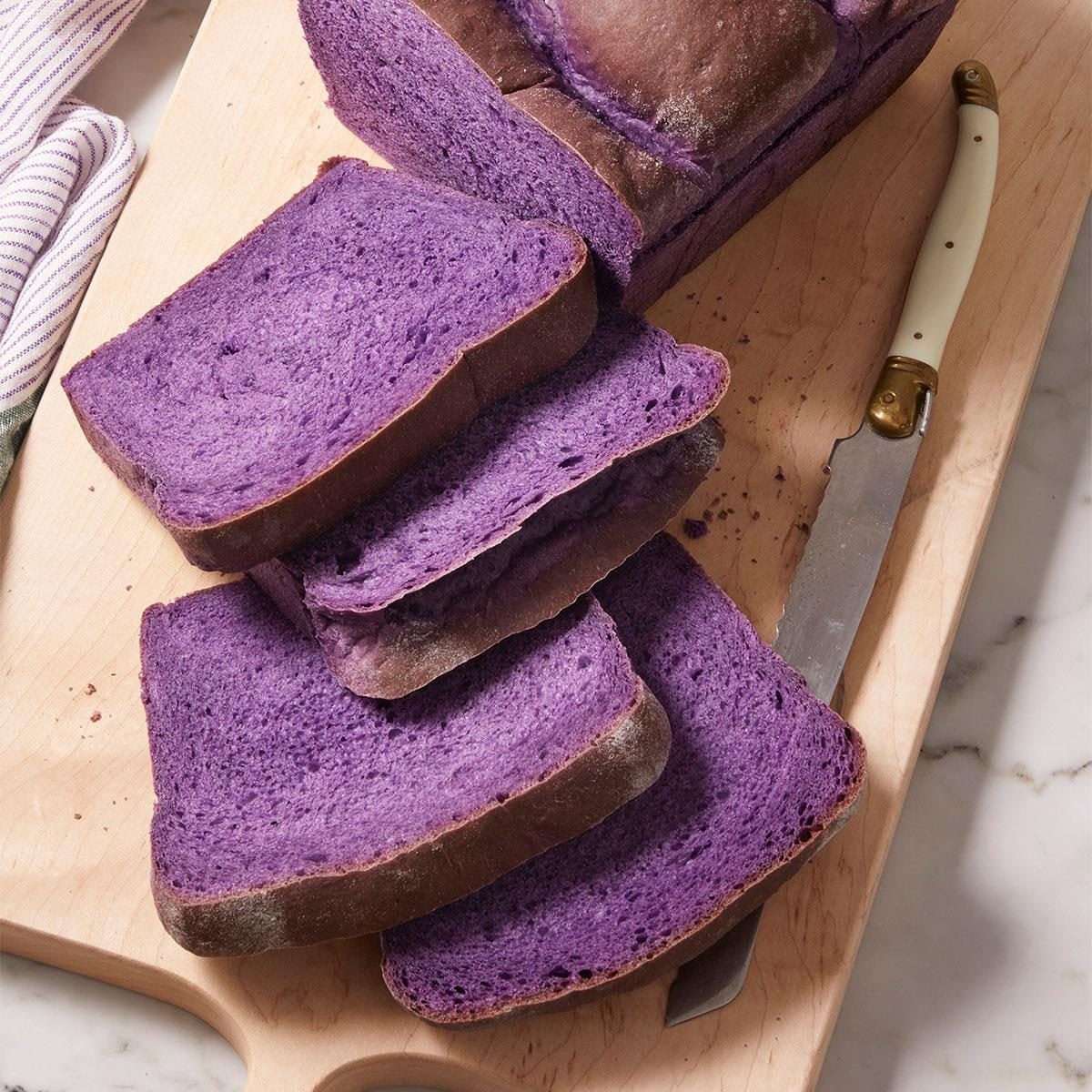
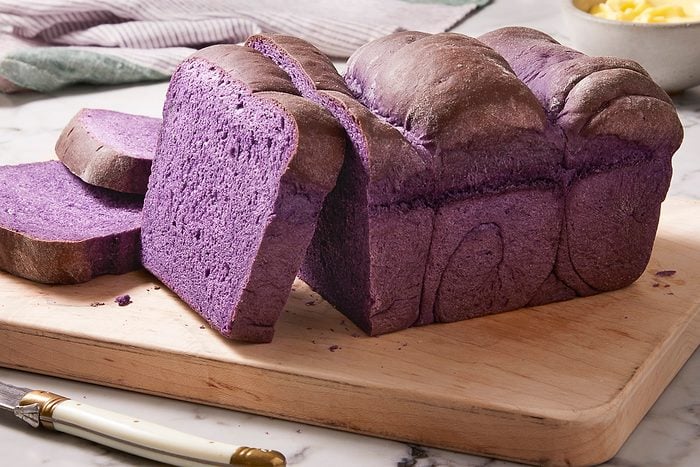
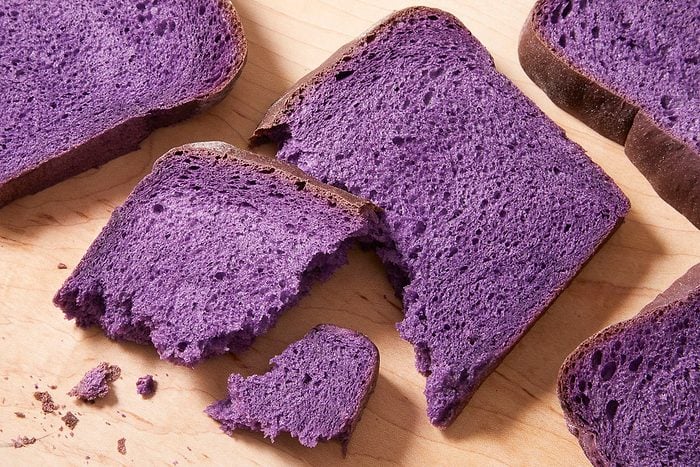
Lucy Wang's ube bread bakes up with a pillowy crumb and a striking purple color.
Ube is having a moment, and it’s hard to deny the draw. The strikingly purple root vegetable is particularly popular in Filipino cuisine, but you’ll find it everywhere these days—from your social media feeds to Trader Joe’s aisles and Starbucks—in cupcakes, ube cake, brownies, coffee drinks and cheesecake. In creator Lucy Wang’s ube bread recipe, the rich violet color looks more like a painting than something you’d slice for breakfast. But its flavor is sweet, with warm vanilla and coconut notes that make ube a beloved ingredient in baked goods.
One of the best things about this recipe is that the measurements are metric, which is easier for baking bread. Dough can be finicky (an extra spoonful of flour or a generous pour of milk can be the difference between a feathery crumb and a dense one), and weighing ingredients to the gram takes all the guesswork out of it. If you’ve been hesitating to buy a kitchen scale, consider this a nudge.
Something to keep in mind: You’ll need a couple of days to bake this bread. It starts with a stovetop bread-flour starter that rests in the fridge overnight, and the two proofing phases shouldn’t be rushed. But the reward is worth it. The violet loaf is so soft and pretty that you’ll want to photograph it before you tear into it.
Ube Bread Ingredients
- Filtered water: Water combines with flour to create the starter that gives this loaf its signature pillowy texture. Filtered water is preferred to tap water because chlorine and other additives can hinder yeast activity.
- Bread flour: This type of flour is used in the starter. Its high protein content develops the gluten structure needed to trap moisture during cooking. Sifting it before adding it to the saucepan prevents lumps from forming as the paste thickens.
- All-purpose flour: All-purpose flour provides structure, and keeps the loaf tender, not tough.
- Whole milk: Whole milk enriches the dough and contributes to the bread’s soft texture. Pull it from the fridge a good hour before you start, so it doesn’t stiffen the butter.
- Sugar: A modest amount of sugar feeds the yeast and lends a subtle sweetness that pairs beautifully with ube’s nutty vanilla notes. It also encourages browning.
- Unsalted butter: Softened butter incorporates easily into the dough, coating the flour proteins and producing a fine, plush crumb. Using unsalted butter gives you control over the seasoning.
- Quick-rise yeast: Also known as rapid-rise yeast, this variety can be mixed directly with dry ingredients without being proofed first, streamlining the process of baking bread. Check the expiration date on the packet, as older yeast loses potency and can result in a dense loaf.
- Ube extract: Ube can be purchased fresh or frozen, but it can also be found powdered or as an extract. Ube extract delivers the purple color and earthy-sweet flavor that make this bread different. Look for it in Filipino or Asian grocery stores, or order it online.
- Salt: Salt sharpens the bread’s flavors. Fine sea salt or table salt both work well. If you only have kosher salt, increase the amount slightly to account for the larger crystals.
Directions
Step 1: Make the starter
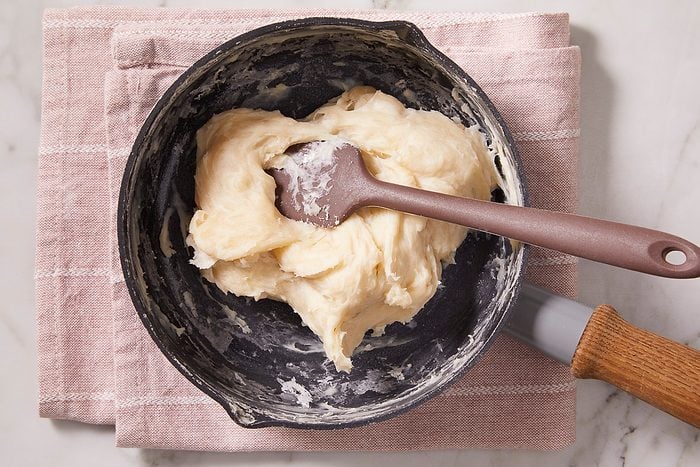
In a medium saucepan, cook the water and bread flour over medium-low heat until the mixture clumps together. Remove the mixture from the pan and shape into a ball. Wrap the ball tightly and refrigerate it for eight hours or overnight.
Step 2: Mix the dough
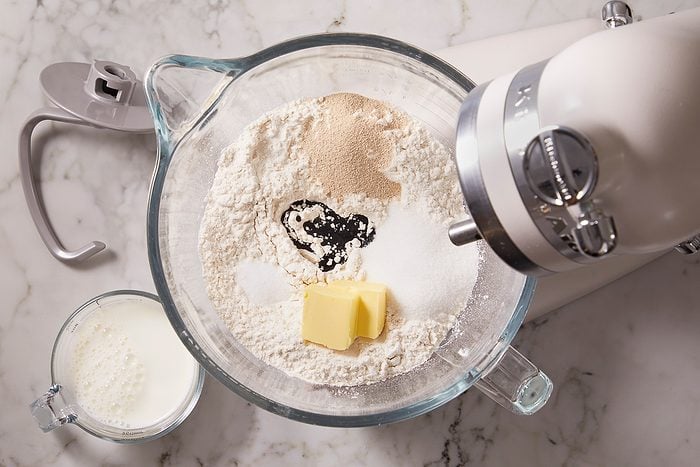
Remove the starter from the fridge and allow it to come to room temperature. In the bowl of a stand mixer, combine the all-purpose flour, milk, sugar, butter, yeast, ube extract and salt with the paddle attachment until they’re combined.
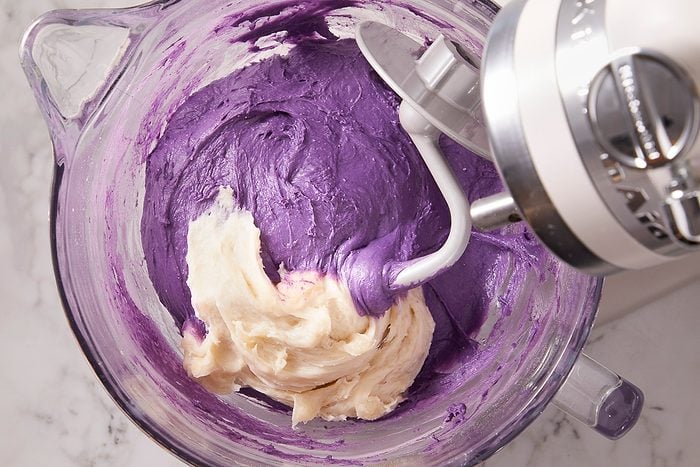
Add the starter. Switch to the dough hook attachment, and knead the dough on low for 30 minutes.
Step 3: Let the dough rise
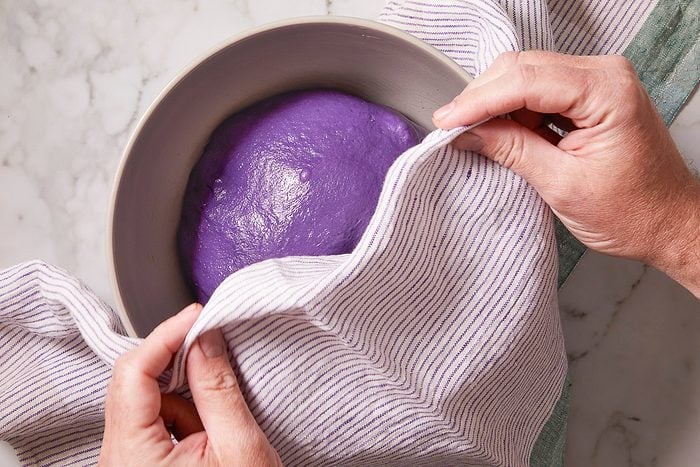
Turn the dough out onto a floured surface, and shape it into a ball. Place the ball in a greased bowl, turning it once to grease the top. Cover the bowl and let the dough rise in a warm place until it has doubled in size, about one hour.
Editor’s Tip: A turned-off oven with the light on or a sunny windowsill both work well for proofing.
Step 4: Divide the dough
Punch down the dough and turn it out onto a lightly floured surface. Divide it into fourths. Roll each fourth into a ball.
Step 5: Shape the dough
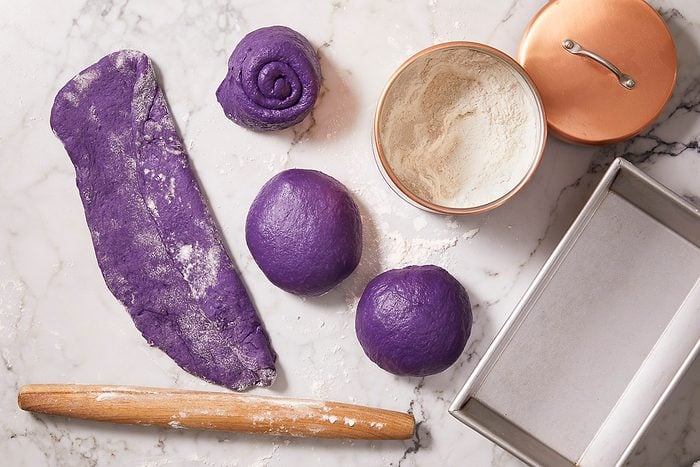
Working with one ball at a time, roll the dough into an 8-inch-long oval. Fold the long edges of the oval into the middle, making long even lines on both sides. Starting from the bottom, roll the dough into a log, pinching the seam to seal and leaving spirals visible on the ends. Repeat the process with the remaining dough balls.
Step 6: Let the loaves rise again
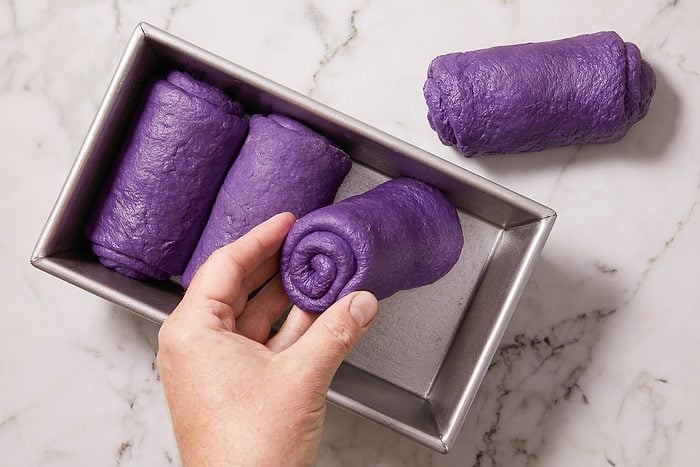
Place the dough logs in a greased 9×5-inch (or 9x4x4-inch) loaf pan, seam sides down. Cover the pan with a kitchen towel and let the dough rise in a warm place until it reaches about 1/2 inch below the edge of the pan, about 45 minutes to 1 hour. Preheat the oven to 340ºF.
Step 7: Bake and cool the bread
Bake the bread until it’s deeply golden brown, 35 to 40 minutes, or until the internal temperature reads at least 190°. (Cover the pan loosely with foil during the last 10 to 15 minutes, if needed, to prevent over-browning.) Let the bread cool in the pan for 10 minutes, then transfer it to a wire rack to cool completely.
Ube Bread Variations
- Add a vanilla glaze: Whisk together confectioners’ sugar, a splash of milk and a teaspoon of vanilla extract, then drizzle the mixture over the cooled loaf. The sweet glaze plays up ube’s natural vanilla-like notes and gives the bread a bakery-style finish.
- Make it a pull-apart loaf: Divide the dough into 10 to 12 smaller portions instead of logs, and bake them in a square pan as pull-apart rolls.
- Swirl in cream cheese: Spread a thin layer of softened, lightly sweetened cream cheese over each oval, then roll each into a log. The tangy filling cuts through the bread’s sweetness, adding a rich, custardy ribbon to every slice.
- Turn it into French toast: Slice the cooled loaf thickly and use it for French toast, soaking the slices in a mixture of eggs, milk and cinnamon before pan-frying them. The enriched dough holds up well to soaking and turns a brilliant lavender on the inside.
How to Store Ube Bread
Once the loaf has cooled completely, wrap it tightly in foil and keep it at room temperature on the counter, where it will stay fresh for three to five days. Storing the bread whole rather than sliced helps it stay soft, since each cut surface exposes more of the crumb to air. If your kitchen runs warm or humid, an airtight container or bread box will give it the best protection.
Can you freeze ube bread?
Yes, you can freeze ube bread for up to three months. Let the loaf cool completely, then wrap it tightly in foil or a layer of storage wrap and slip it into a freezer-safe bag. For easier portioning, slice the loaf before freezing it, and separate the slices with parchment paper so you can grab one or two at a time. Thaw ube bread at room temperature on the counter, still wrapped, to prevent the crumb from drying out.
Ube Tips
How can you use ube bread?
Ube bread is wonderfully versatile. Toast it lightly and slather it with salted butter and a drizzle of honey for an easy breakfast, or tear it into chunks and use it as the base for a showstopping bread pudding. The tender, slightly sweet crumb also makes excellent tea sandwiches with a smear of cream cheese and sliced strawberries. Day-old slices are perfect for layering into a trifle with whipped cream and fresh fruit.
Ingredients
- 150 milliliters filtered water
- 100 grams bread flour, sifted
- 450 grams all-purpose flour
- 300 milliliters whole milk, room temperature
- 30 grams sugar
- 20 grams unsalted butter, softened
- 7 grams quick-rise yeast
- 2 teaspoons ube extract
- 1 teaspoon salt
Directions
-
1For the starter, in a medium saucepan, cook water and bread flour over medium-low heat until the mixture clumps together. Remove from pan; shape into a ball. Wrap tightly; refrigerate 8 hours or overnight.
-
2Remove starter from fridge and allow to come to room temperature. In the bowl of a stand mixer, combine all-purpose flour, milk, sugar, butter, yeast, ube extract and salt with the paddle attachment until combined. Add starter. Switch to dough hook attachment; knead on low for 30 minutes.
-
3Turn dough onto a floured surface; shape into a ball. Place in a greased bowl, turning once to grease the top. Cover and let rise in a warm place until doubled, about 1 hour.
-
4Preheat oven to 340°. Punch down the dough and turn it out onto a lightly floured surface. Divide it into fourths. Roll each fourth into a ball. Working with one ball at a time, roll the dough into an 8-inch-long oval.
-
5Fold the long edges of the oval into the middle, making long even lines on both sides. Starting from the bottom, roll the dough into a log, pinching the seam to seal and leaving spirals visible on ends. Repeat with the remaining dough balls.
-
6Place the dough logs into a greased 9×5-inch (or 9x4x4-inch) loaf pan, seam sides down. Cover the pan with a kitchen towel and let the dough rise in a warm place until it reaches about 1/2-inch below the edge of the pan, about 45 minutes to 1 hour. Preheat the oven to 340°.
-
7Bake until the bread is deeply golden brown, 35 to 40 minutes, or until the internal temperature reads at least 190°. (Cover the pan loosely with foil during the last 10 to 15 minutes, if needed, to prevent over-browning.) Let the bread cool in the pan for 10 minutes, then transfer to a wire rack to cool completely.