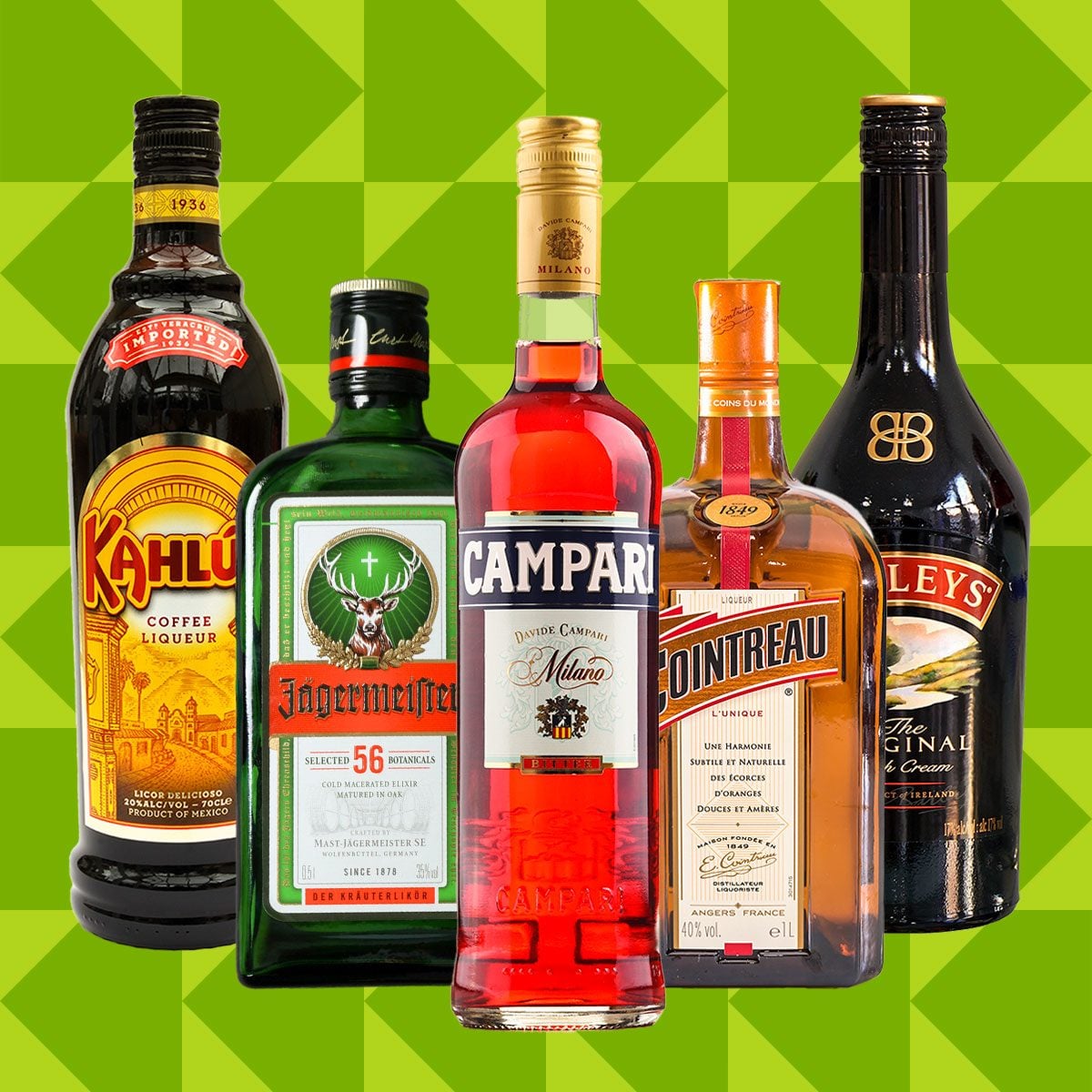
Here's everything you need to know about different types of liqueurs, including which ones shine in your favorite cocktails.
If you’re anything like me, you’ve undoubtedly found the perfect cocktail recipe for a dinner party nightcap or to serve as a signature drink at an upcoming party, only to read the ingredient list and think to yourself, “Do I really need to get elderflower liqueur?”
It turns out, liqueurs are the not-so-secret ingredient that makes your favorite classic cocktails taste just right. Once you’ve resigned yourself to the fact that liqueurs are indeed necessary, figuring out which you should stock up on is a whole other ballgame.
To demystify the process, I’ll walk you through the most common types of liqueurs, how they’re made and which ones are actually worth a spot at your home bar. While this list isn’t exhaustive, it will tell you which ones you need to whip up tasty spritzes, impressive sips and tropical drinks worth imbibing.
1/9
Gutzemberg/Getty Images
Anise Liqueurs
Licorice fans, this one’s for you. Anise liqueurs are, as expected, flavored with anise (sometimes called aniseed), sugar and a blend of other botanicals for a sip that is part sweet, part aromatic and part black licorice. Sambuca (from Italy) and pastis (from France) are the most common anise liqueurs and are typically enjoyed straight or mixed with water to create a creamy louche.
Since they’re usually sipped on their own, often after dinner as a digestif, rather than mixed in a cocktail, you can hold off purchasing sambuca or pastis until you want to recreate cafe or trattoria vibes at home with a whole menu of Italian or French recipes. Spirits such as absinthe and ouzo (from Greece), have a similar flavor as anise liqueurs, though they typically don’t contain sweeteners.
2/9
ERIC KLEINBERG FOR TASTE OF HOME
Bitter Liqueurs
Since these liqueurs are categorized by their bitter flavor profile rather than a specific ingredient or flavor, there is a wide range of bitter liqueurs. Campari and Aperol are among the most popular bitter liqueurs. Aperol is sweeter and has a strong orange flavor, while Campari is more bitter with notes of herbs and citrus. Even more intense, but still popular, is Fernet-Branca, Cynar and, if you’re from Chicago, Jeppson’s Malört.
Traditionally, bitter liqueurs are sipped on as aperitifs and digestifs, but that’s by no means the only way to enjoy them. Campari is the basis for many classic cocktails, including the Negroni and Americano, and Aperol and Amaro Nonino are both used in the trendy Paper Plane. And it just wouldn’t be summer without an Aperol spritz or two.
It’s a good idea to keep a bottle or two of bitter liqueur in your bar, given its many uses. If you enjoy bitter cocktails, choose one that’s lighter and fruitier and one that’s more intense and herbal, so you have both ends of the spectrum. I recommend sampling a few brands, either at an alcohol store or a bar, to figure out which you like the most before purchasing.
3/9
Dan Roberts For Taste of Home
Chocolate Liqueurs
Chocolate liqueurs are made with-you guessed it-chocolate! They fall into one of three categories: standard chocolate liqueur, chocolate cream liqueur, which is thickened with dairy, and creme de cacao, which is translucent but heavily sweetened.
These liqueurs are staples in dessert cocktails like a chocolate martini, Pink Squirrel and Brandy Alexander. Chocolate liqueurs are also a common addition to holiday cocktails or can be enjoyed on their own over ice.
If you have a sweet tooth, I definitely recommend keeping a bottle on hand. Since the flavor and texture of chocolate liqueurs vary, they’re not interchangeable in a recipe. So, you should decide what your preferred flavor profile and uses are before purchasing. Those who shy away from dessert cocktails may not use chocolate liqueur often enough to warrant picking up a bottle.
4/9
Sarah Tramonte for Taste of Home
Coffee Liqueurs
In a similar vein, coffee liqueurs are a sweet, bold and decadent ingredient common in dessert cocktails. Favorites like the espresso martini, Spanish coffee, mudslide, and White Russian all use this liqueur to pack a punch.
While the coffee flavor profile is consistent across this category, the base alcohol is not. Some brands use rum (like our homemade Kahlua), while others use vodka (Mr. Black) or tequila (Patrón XO Cafe), which affects the liqueur’s overall flavor. Those privy to an after-dinner cocktail or espresso martinis at a girls’ night-in should invest in a bottle of coffee liqueur, but if they’re only occasional for you, feel free to skip.
5/9
Dan Roberts For Taste Of Home
Cream Liqueurs
Smooth and rich, cream liqueurs are a mix of dairy and whisky, rum or vodka, depending on the brand. Irish cream, like Baileys, is made with Irish whisky and is lightly flavored with vanilla, coffee and chocolate for a sweet, creamy drink that’s easy to sip over ice. Cream liqueurs are the ideal addition to cocktails that call for some creaminess, as well as to desserts like our Irish cream poke cake and layered mocha brownies.
But cream liqueurs can vary widely in how they are flavored. Some examples include cinnamon (RumChata), strawberry (Tequila Rose), orange, coconut and even dessert-inspired flavors like banana pudding and red velvet cupcake. Because of their strong flavor profiles, these niche cream liqueurs are usually sipped or turned into shooters. If that’s not your style, these specialty cream liqueurs aren’t worth the space in your bar.
However, if you like the occasional creamy cocktail or Irish coffee, a bottle of Irish cream is worth picking up. Plus, this type of liqueur is shelf-stable even after the bottle has been opened, so you don’t have to store it in the fridge.
6/9
Taste of Home
Floral Liqueurs
Infused with flower petals, floral liqueurs are light and fragrant, giving the cocktails that use them a fresh, airy quality. Violet, rose, elderflower, camomile, lavender, orange blossoms and hibiscus all get the liqueur treatment and are often used in gin drinks and spring-themed cocktails.
Elderflower liqueur is the most popular of this category and is the key ingredient in a Hugo spritz and French Blonde. Creme de violette is used in many classic cocktails and gives the Aviation its signature hue. Those who order floral or aromatic cocktails when out should stock their bar with one or two types of floral liqueur for spritzes and cocktails. For some people (including me), floral liqueurs taste too much like perfume or soap to be enjoyable, so they should skip these liqueurs.
7/9
Taste of Home
Fruit Liqueurs
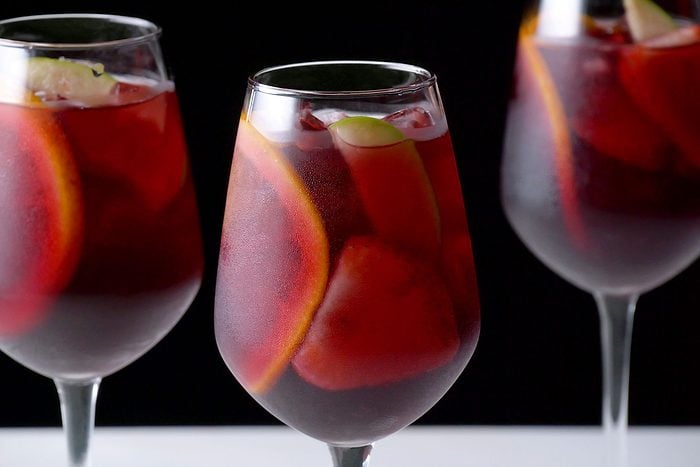
Fruit liqueurs are probably the most essential and most varied category when it comes to liqueurs. Orange liqueurs are used in just about every cocktail you can think of, from margaritas and flavored martinis to tropical drinks and sangria. There is a lot of nuance when it comes to different types of orange liqueur, but in broad strokes, you can go with a triple sec or a curaçao.
Triple sec (which includes Cointreau) is bright and sweet, while curaçao (sometimes clear, sometimes dyed blue) is bolder and richer. While a fervent bartender will tell you that you need one of each, these orange liqueurs are similar enough to have just one at home. I prefer triple sec over curaçao because of its neutral base, but you should go with whichever flavor profile you prefer.
While an orange liqueur is a must-have, the rest of the category is only necessary if you have a specific cocktail in mind or enjoy a certain fruit. Some common fruit liqueurs include raspberry (Chambord), grapefruit (pamplemousse), apple, melon (Midori), peach, pomegranate (Pama) and lemon (limoncello).
8/9
Taste of Home
Herbal Liqueurs
Herbal liqueurs involve steeping a base liquor with a blend of herbs, spices and botanicals to create a complex and deeply aromatic drink. These liqueurs range from bitter to earthy to spicy to floral to sweet due to their varied ingredient blends and production methods. You’re likely most familiar with Jägermeister, green and yellow Chartreuse, Benedictine (a key ingredient in a classic Singapore Sling), Becherovka and creme de menthe.
Similar to bitter liqueurs, herbal liqueurs are traditionally sipped on their own or over ice. But they are also used in fruity, tropical drinks to add depth and complexity to the cocktail. Those who love an after-dinner digestif would benefit from having a bottle of herbal liqueur in their bar, but they should taste a few brands to see which botanical blend they enjoy most.
9/9
JOSH RINK FOR TASTE OF HOME
Nut Liqueurs
Nut liqueurs are a hidden gem in your home bar. Yes, they’re amazing as a digestif or in a coffee after dinner, but they also add a special touch to cocktails. The Godfather, Cuban breeze and an amaretto sour are classic cocktails that put these liqueurs in the spotlight. I love to add a splash to espresso or chocolate martinis or a Black Russian for a nutty variation. They can even be used in desserts like this amaretto cheesecake or in cake and cookie recipes in place of (or in addition to) extracts.
Since they’re so versatile, I recommend adding a bottle of nut liqueur to your home bar, or even making homemade amaretto or hazelnut liqueur. If you want to try something less common yet equally delicious, look for walnut, pecan or peanut liqueur.
Types of Liqueurs FAQ
What is liqueur?
Liqueur is a spirit that has been sweetened and flavored with fruits, herbs, spices, nuts and/or flowers. In the United States, liqueurs must contain at least 2.5% sweetener by weight, whereas liquor and flavored liquors cannot contain any added sweeteners. There are no legal requirements for the alcohol content in liqueurs, though most are between 15% and 30% alcohol by volume (ABV). Liqueurs can be sipped on their own, added to a cocktail or used in recipes, such as boozy desserts.
Are liqueurs and cordials the same thing?
Yes, liqueurs and cordials are the same thing in most parts of the world: a spirit that is sweetened and flavored. In the United Kingdom, however, cordials refer to a concentrated, nonalcoholic fruit or floral-flavored syrup that’s been mixed and diluted with water.
What’s the best way to store liqueurs?
Once opened, liqueurs should be stored in a cool, dry place, away from sunlight. That makes home bars and bar cabinets an ideal storage location, though a kitchen cabinet or a shelf in your pantry is more than sufficient. Most liqueurs are best within 12 months of being opened; they can still be drunk after a year, though their flavor and color may weaken. Cream liqueurs should be tossed after a year to avoid curdling. Unopened liqueurs can last for years if stored in a cool, dark place.
We are no longer supporting IE (Internet Explorer) as we strive to provide site experiences for browsers that support new web standards and security practices.