


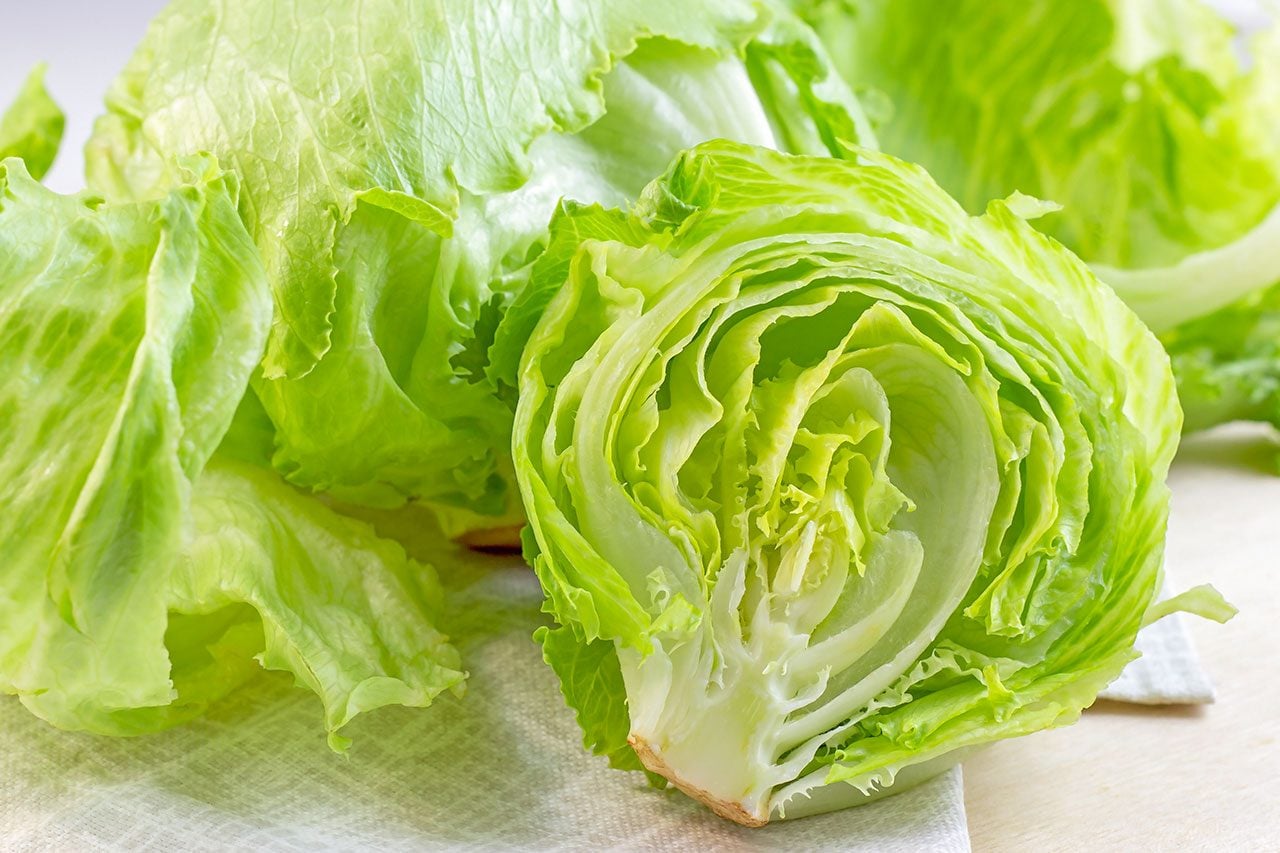

With the ongoing cyclosporiasis outbreak, it's hard to tell what's safe to eat. Here's what to keep in mind if you're buying lettuce and other leafy greens.
Cyclosporiasis has continued to dominate the news cycle. Since there are several outbreaks across the states at once, it feels like there’s a lot to stay up to date on. While the CDC has been updating its website as cases are confirmed, officials are still trying to figure out the exact source of this year’s outbreak.
We don’t have all the answers since this is a developing story, but we do know that lettuce has been at the forefront of the investigations. Here’s what to consider about the cyclosporiasis outbreak as you shop for groceries and make meals this week.
Is it safe to eat lettuce or not?
It is safest to avoid recalled packaged lettuce at this time. The FDA has issued a statement advising people not to eat iceberg lettuce from Taylor Farms de Mexico. The FDA has also clarified that this is an ongoing investigation and that no additional findings have been released yet.
Initially, Taylor Fresh Foods recalled iceberg lettuce from its central Mexico supplier. Sample testing indicated the presence of Cyclospora. This included the shredded lettuce that Taco Bell uses, which is why you’ve probably seen Taco Bell’s name associated with this outbreak.
However, on July 19, the FDA provided an update that the Cyclospora test had produced a false positive for the Taylor Fresh Foods lettuce from Mexico. The FDA is continuing to collect and analyze product samples, so the advisory to avoid iceberg lettuce from Taylor Farms remains in effect.
Other Greens to Eat If You’re Avoiding Lettuce
The directive to avoid lettuce during peak salad season is not only a bummer, but it’s also fairly difficult to do! If you’re still looking to get your leafy greens in, here are some other options:
- Arugula: Try it in arugula-based salads, turn it into pesto, or layer it onto a prosciutto and arugula pizza.
- Spinach: Cook it into a breakfast quiche or bake it into spanakopita.
- Kale: Toss it into kale pasta or saute it in a kale and fennel skillet.
- Collard greens: Give your weekly meal plan a southern twist with some slow-simmered collard greens.
- Endive: Eat these greens in a cream cheese and cranberry-filled appetizer or use the curly version in a wilted salad.
- Bok choy: Add a couple of bunches to whole grain chow mein or upgrade your grilling game with bacon and fried egg-topped green onion burgers.
- Escarole: If soup season is year-round for you, try wilting escarole into a sausage and cannellini bean soup.
Final Note
While the outbreak continues, it’s important to stick to trusted, verified sources for information. The CDC will be the best place for information about cyclosporiasis, and the FDA will provide timely updates on recalls and testing.
Take care to wash all your greens well before adding them to homemade salads, wraps and other meals. And if you’re still worried about cyclosporiasis, use your greens in cooked recipes since heat kills the bacteria.

