


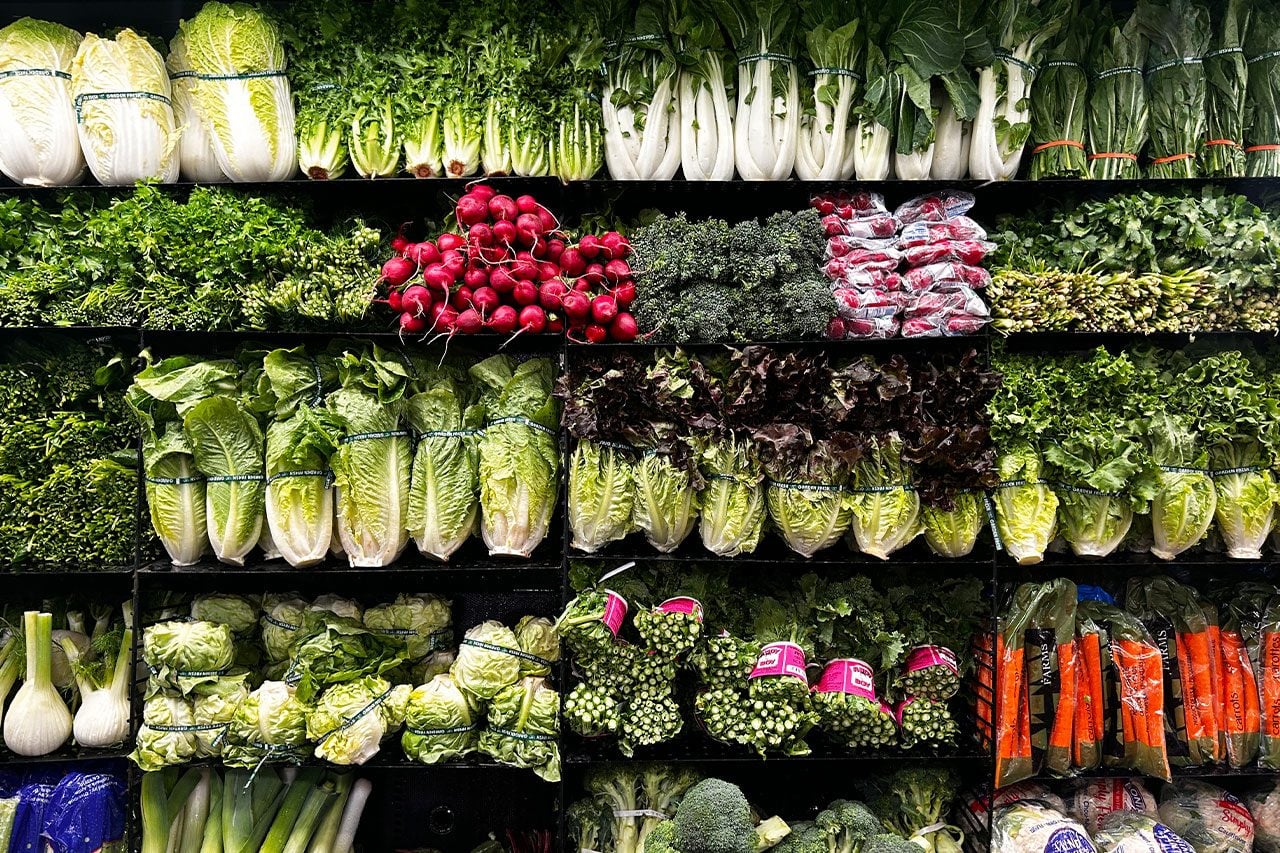

Cyclosporiasis cases are climbing. These tips can help.
Everyone seems to be talking about Cyclospora right now—and for good reason. The parasite has become one of the biggest food safety stories of the year as cases climb far beyond what’s typically seen this time of year.
The frustrating part is that health officials still haven’t identified exactly which food is causing the outbreak, so there isn’t one ingredient you can simply cross off your grocery list. Instead, experts recommend taking a few extra precautions with fresh produce, especially foods that have been linked to Cyclospora in the past.
Here’s what to know about the outbreak, which foods deserve a little extra attention and the simple kitchen habits that can help lower your risk.
What Is Cyclospora, the Stomach Bug Everyone Is Talking About?
Cyclospora isn’t new. The parasite, Cyclospora cayetanensis, has caused seasonal outbreaks in the United States for years, usually during the warmer months when fresh produce is everywhere. What’s different this year is the size of the outbreak. Michigan alone has reported more than 3,300 illnesses, with additional cases under investigation across many other states. The reports are everywhere, yet investigators are still trying to answer the question everyone keeps asking: What’s causing it?
Cyclosporiasis, the illness caused by the parasite, is much more than a typical stomach bug. It can cause watery diarrhea, stomach cramps, nausea, fatigue, loss of appetite and weight loss. Those symptoms can linger for weeks without treatment. What makes it even harder to trace is that symptoms can take weeks to appear after someone eats contaminated food, making it difficult for people to remember exactly what they ate.
Some public health experts have expressed concern that recent reductions to federal foodborne disease surveillance and broader staffing cuts could make outbreak detection and investigations more challenging.
Which foods have been linked to Cyclospora?
Despite the headlines, there isn’t an official list of foods to avoid.
Since researchers haven’t yet identified the source of the current outbreak, no specific food has been singled out. For now, that means there’s no single ingredient to skip—just a little more reason to be careful with the foods that have caused problems before.
Cyclospora has repeatedly been linked to fresh produce in previous outbreaks, particularly foods that are eaten raw, including:
- Leafy greens like lettuce and salad mixes
- Fresh herbs like cilantro, basil and parsley
- Berries, including raspberries and blackberries
- Snow peas
How can you avoid Cyclosporiasis?

Until investigators identify the contaminated food, there’s no single ingredient you can avoid to eliminate your risk. The next best thing is practicing good food safety whenever you’re handling fresh produce.
Wash your hands often
Wash your hands with soap and warm water after unpacking groceries, before cutting produce, while preparing meals and before eating. It may sound obvious, but it’s one of the easiest ways to keep germs—including the ones you can’t see—from spreading around your kitchen.
Wash your produce
Always rinse fruits and vegetables under cool running water before eating, peeling, cutting or cooking them. Firmer produce like watermelons, cucumbers and squash should also be scrubbed with a clean produce brush. While washing produce isn’t going to ward off Cyclospora altogether, it does remove dirt and other contaminants that could be harmful.
Trim away bruised or damaged areas
Before preparing fruits and vegetables, cut away any bruised, damaged or soft spots. It won’t get rid of Cyclospora, but damaged produce can harbor bacteria and other microorganisms, so trimming those areas is still a smart habit.
Cook produce when you can
Not every fruit or vegetable is meant to be cooked, of course, but if a recipe gives you the choice, heat is your friend. Michigan health officials say cooking produce to at least 158°F kills the Cyclospora parasite, making cooked produce a safer option than raw when it’s practical.
Rather than buying packaged salad mixes, opt for recipes that cook leafy greens like spinach quiche, soups and green shakshuka. Cooked stir-fries are a good way to use up snow peas. And if you’re questioning your fresh berries, simmer raspberries down into a chia seed jam or bake blueberries into a summery blueberry pie.
The good news is that health officials aren’t telling people to swear off fresh produce. Fruits and vegetables are still an important part of a healthy diet, and avoiding them altogether isn’t the answer. Until investigators identify the source of the outbreak, your best bet is to stick with the same good food safety habits you’d use any time of year—just with a little extra attention while the outbreak continues.

