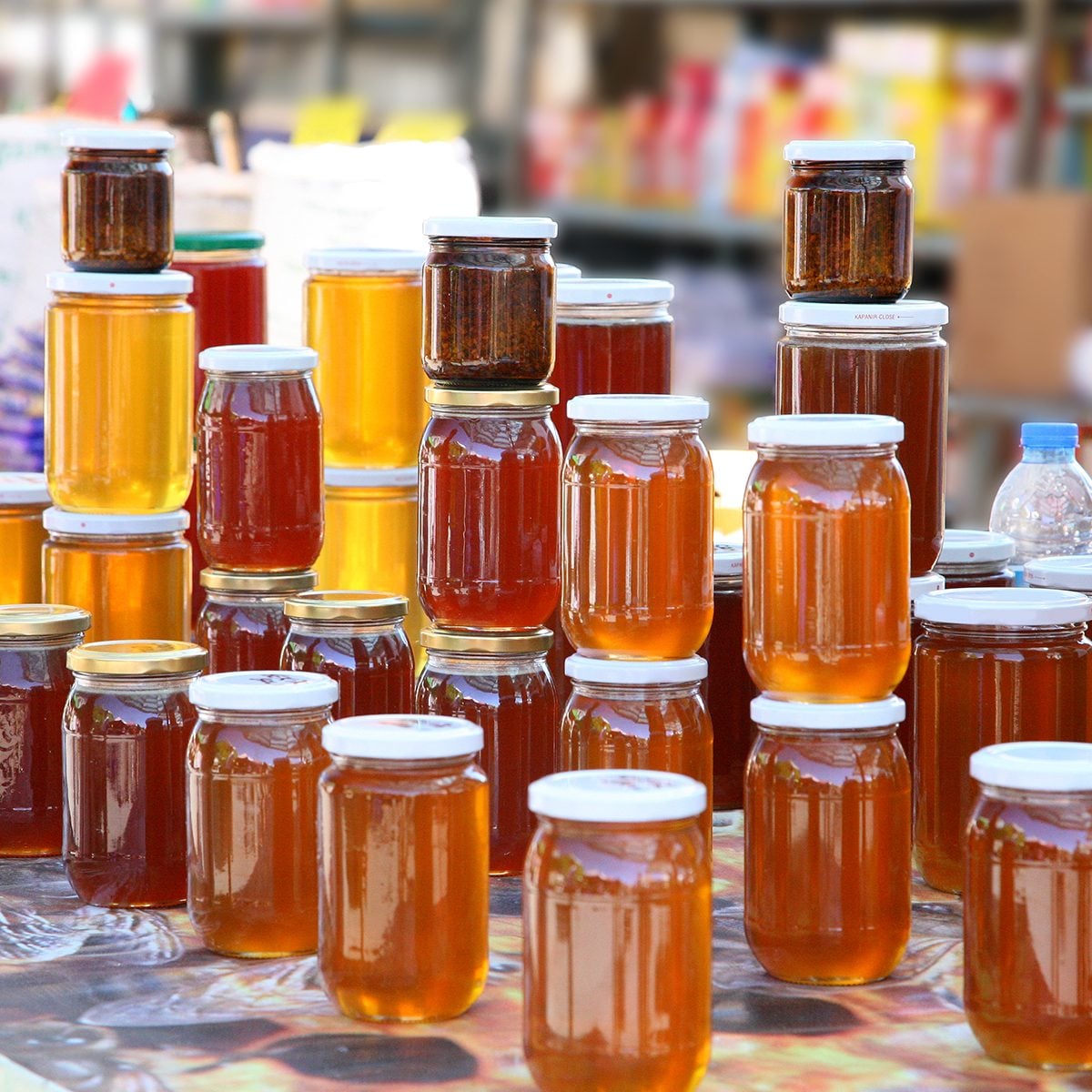
Your recipe calls for honey, but there are many types of honey to consider—and each one has a unique flavor, texture and aroma. We'll help you figure out which one to use.

Clover Honey
Clover honey is one of the most popular varieties found in the United States. It has a very floral aroma and a light, sweet flavor that makes it a good all-purpose honey. Since clover grows easily in various environments, it’s produced across the U.S. and Canada, as well as in areas of Europe and New Zealand. It’s also often turned into creamed clover honey, which is crystallized and whipped into a smooth, creamy-looking mixture with a thick, spreadable consistency.
Ways to use clover honey: Bake it in a honey cake, add to marinades, whisk into salad dressings or drizzle over oatmeal recipes.

Manuka Honey
Manuka honey comes from the manuka bush, which grows in New Zealand and in a few areas of Australia. It’s generally dark amber, though the color can vary depending on the weather or bee activity. It’s one of the rarer types of honey because the manuka bush grows in remote areas, and its flowers bloom for only a few weeks each year. This explains why it’s also more expensive than some other honeys. Monofloral manuka honey is from bees that pollinate only the flowers on a manuka bush, whereas multifloral manuka honey contains pollen from various plants.
Manuka honey is prized for its high antioxidant content and anti-inflammatory and antibacterial properties. You may notice a UMF (Unique Manuka Factor) and MGO (methylglyoxal) number on the label, which is determined after testing and relates to the potency of the honey. Manuka honey has a very strong, unique, earthy taste. Some liken it to caramel, but I always pick up a hint of anise or black licorice. A little goes a long way with manuka honey.
Ways to use manuka honey: Stir it into tea, add to smoothie recipes, spread on toast or make a honey face mask.

Wildflower Honey
Wildflower honey is a polyfloral honey, which means that every bottle is a natural blend of the nectar from various wildflowers. This makes it a very broad type of honey because no two batches will taste exactly the same. Wildflower honey is produced globally and can range from light yellow with a delicate taste to dark amber with a strong, floral finish. Still, each bottle is highly local because it’s a product of where the bees live and the flora available to them. The climate and time of year can also affect the honey, with spring honey milder and fall honey bolder.
As one of the most common and versatile types of honey, wildflower honey can be used in almost any recipe you like. I recommend tasting it first to see how strongly the floral notes come through and whether that specific jar is better suited for baked goods or savory recipes.
Ways to use wildflower honey: Add it to overnight oats recipes, make a glaze for chicken or fish, or drizzle over fruit, as with these grilled nectarines with burrata.

Acacia Honey
Acacia honey is an all-purpose honey with a very mild, sweet flavor. It’s not actually made from the acacia flower. Instead, the nectar comes from a “false acacia tree,” also known as the black locust. Most acacia honey is produced in Europe. Acacia honey produced in the U.S. is often labeled black locust honey. It’s one of the clearest, lightest-colored types of honey available, and it’s unlikely to crystallize in the jar because of its high fructose content.
Ways to use acacia honey: Slather it on biscuits, mix into fruit salads, or bake into sweet or savory recipes.

Orange Blossom Honey
This light, mild honey has a distinctive citrusy flavor and aroma since it comes from bees pollinating citrus blossoms. It originated in Spain and Mexico, but today it’s also made in the citrus belt: Florida, Texas and California. It’s a great finishing honey for breads and pastries so you can really pick up those orange flavor notes. Look for raw, unfiltered orange blossom honey at the store to avoid brands that add artificial flavors, which can make them smell and taste perfumed.
Ways to use orange blossom honey: Drizzle it over pancakes, serve with scone recipes, sweeten iced tea or use in baklava.

Alfalfa Honey
The majority of alfalfa honey comes from the western U.S. and Canada. It is made from the nectar of purple alfalfa flowers, though the honey tends to be very light in color. It’s sweet and mild with a hint of grassy alfalfa and some floral notes. The delicate taste makes it versatile and great for baking when you don’t want the honey flavor to dominate. It’s higher in glucose than fructose, which means it is more prone to crystallization and a great option for making creamed or whipped honey.
Ways to use alfalfa honey: Drizzle it over pancakes and waffles, add to salad dressings and sauces, make homemade granola, and sweeten drinks and cocktails.

Buckwheat Honey
Buckwheat honey is strong and dark, with a molasses-like color and texture. The honey comes from the same plant used to make buckwheat flour, so if you love a nutty soba noodle salad and buckwheat pancakes, you should try this honey. Its bold flavor and moderate sweetness make it best suited for baking instead of raw uses, but it’s also powerful enough to hold up to flavorful meats in marinades. It contains more antioxidants than lighter-colored honey, so it’s a great choice when making a hot toddy to battle your cold and soothe a sore throat.
Ways to use buckwheat honey: Add it to marinade recipes and use it to bake spiced treats, such as gingerbread cake.

Eucalyptus Honey
This honey originated in Australia, though it’s now also produced in California, Italy, Brazil and India, to name a few places. Depending on its origin, the color can range from golden to rich amber. The flowers on a eucalyptus tree lend the honey a distinct medicinal vibe with an herbal aroma and menthol flavor (think of that classic spa aroma). It has a thick consistency and tends to crystallize quickly. Outside of recipes, it’s a good variety to use when taking advantage of the health benefits of honey.
Ways to use eucalyptus honey: Stir it into hot soothing teas, serve with sharp aged cheeses or stick with medicinal uses.

Tupelo Honey
Tupelo honey is sweeter than most honey, with a delicate, pleasantly buttery flavor, a smooth texture and a faint green glow. It’s a rare variety, harvested only once a year in southeastern U.S. swamps, but you can keep it around for a long time in your pantry, as the high fructose content means it rarely crystallizes. The limited amount tends to make the honey more expensive than many other honeys, so enjoy it in applications where its flavor can really be appreciated and not overwhelmed by too many other ingredients.
Ways to use tupelo honey: Drizzle it over vanilla ice cream, use in cocktail recipes, make a glaze for salmon or mix up honey cinnamon butter.

Sage Honey
Sage honey is light-colored, but it has a thicker, heavier consistency than other light honey varieties. It’s mild but sweet, making it a good all-around honey. You may detect peppery notes or hints of fall spices, but it doesn’t taste like fresh sage leaves, as the herb comes from a related but different plant. Most sage honey is produced in California and Oregon. Sage honey is slow to crystallize, so it’s often blended with other types of honey to keep them fluid for longer.
Ways to use sage honey: Add it to a charcuterie board, sweeten hot tea, drizzle over yogurt, or make a peanut butter, strawberry and honey sandwich.

Lavender Honey
If you love lavender desserts, you’ll want to try lavender honey, made from those same gorgeous purple flowers. The golden honey has a strong lavender aroma and a sweet, floral flavor. To be clear, this isn’t lavender-infused or flavored honey but is made from the nectar of fresh lavender flowers, so the jar should have only one ingredient. It’s especially wonderful in tea, cocktails, and buttery cookies and cakes. The Provence region of France is particularly famous for its lavender and lavender honey, but the honey is also produced in Spain and Portugal.
Ways to use lavender honey: Make a London Fog or London Fog ice cream, bake soft honey cookies or sweeten lavender lemonade.

Fireweed Honey
Fireweed honey comes from the Pacific Northwest and Alaska, where bees feed on the bright pink fireweed flowers. The flowers often grow on land after a wildfire, and the soil’s characteristics give the flowers and resulting honey a unique flavor. It’s light-colored with a complex, buttery flavor and one of the rarer honeys, since it’s not produced as widely as a clover or wildflower honey. It’s sometimes called the champagne of honey. The flavor is perfect for drizzling over fruit, but it can also stand up to the bold flavors of our best summer grilling recipes.
Ways to use fireweed honey: Brush it over grilled corn or grilled chicken breasts, add to marinades, and bake in quick bread recipes, cakes and cookies.
Types of Honey FAQ
What should I look for when buying honey?
The most important thing to consider when buying honey is whether you are getting 100% pure honey, not a fake honey blend with added syrups or flavors. There should be only one ingredient on the label: honey. We also recommend raw honey, which has a stronger flavor but will crystallize faster over time (don’t toss it—you can easily decrystallize honey). If I’m planning a baking project, I’ll pick up a large container of honey, but otherwise I buy smaller bottles or jars that I can get through while they are still fluid.
What type of honey should I use to make hot honey?
If you would like to make your own hot honey for the best swicy hot honey recipes, stick to a lighter all-purpose honey, such as clover, wildflower, acacia or alfalfa, that complements the added spice. We found that the best hot honey brands also stuck with lighter honeys to get the right flavor balance so that you can taste both the honey and the chili peppers.
Does honey expire or go bad?
It may surprise you to hear that, if stored properly, honey may change in appearance but honey doesn’t expire or go bad. The one exception is when honey is exposed to moisture, which can override its natural antibacterial properties and cause it to ferment, mold or spoil. In other words, keep your honey well sealed and don’t add liquids to the bottle.
You may notice that, over time, your honey darkens or it thickens into a grainy paste. Both of these are natural occurrences, and it doesn’t make the honey unsafe to eat. Honey crystallizes when glucose separates from water molecules, and this can happen more quickly with temperature swings. But you can make honey fluid again by gently warming it in a water bath, or you can turn crystallized honey into whipped honey.