
From roast chicken to spice-flecked carrots, these recipes with za'atar showcase the herb-and-sesame seasoning blend beautifully. Enjoy these dishes year-round!
Za’atar Chicken
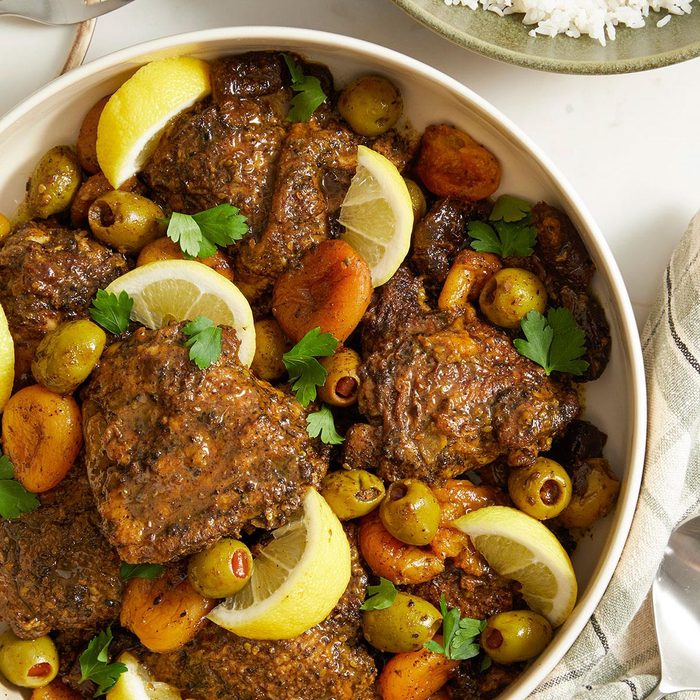
This easy chicken dinner proves that your slow cooker can do more than simmer big batches of chili recipes. Chicken thighs are tossed in a generous spice rub with plenty of earthy za’atar, then slowly simmered over briny olives and sweet dried fruit. As it cooks, the fruit becomes jammy and the spices mingle with the broth so the dish hits that perfect balance of salty, sweet and fragrant. It’s spiced but not spicy, appealing to kids and adults alike.
Shakshuka Pizza with Za’atar Meatballs

This fun mashup recipe combines shakshuka and pizza into one hearty, well-spiced meal. Using a cast-iron skillet instead of building the pizza on a baking sheet makes more sense so its walls can hold the chunky tomato sauce, lamb meatballs and eggs. Since you’ll need only 1 teaspoon of za’atar to season the meatballs, this is a great recipe for when you get down to the last bit in a jar.
Za’atar Roasted Carrots
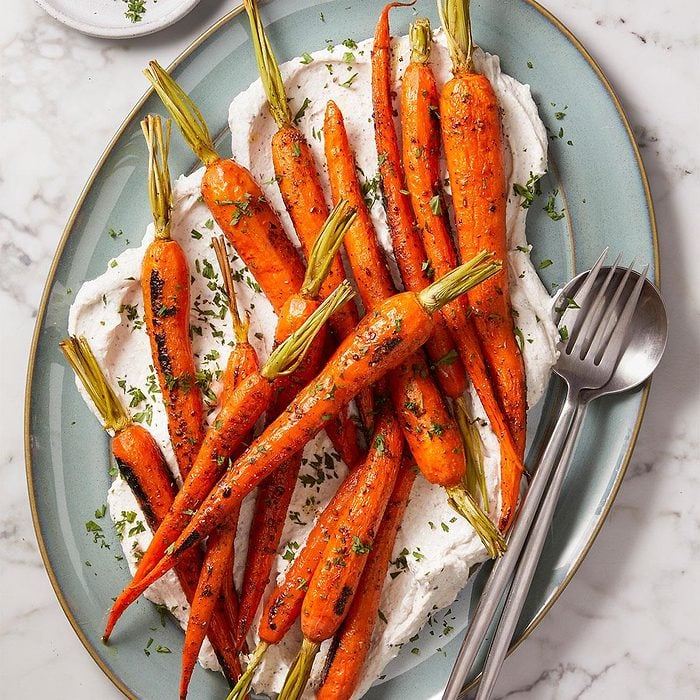
I often haphazardly grab the first spice within reach for roasting vegetables, but this recipe shows off the nutty, earthy flavor of za’atar in a much more thoughtful way. Za’atar coats the carrots, adding a savory touch against their natural sweetness, and it’s mixed into the tangy, lemon-spiked yogurt sauce to add spice without heat. There’s only a handful of ingredients in this recipe, but the plating and flavor combinations make it seem much more elaborate.
Za’atar Pesto Mac and Cheese
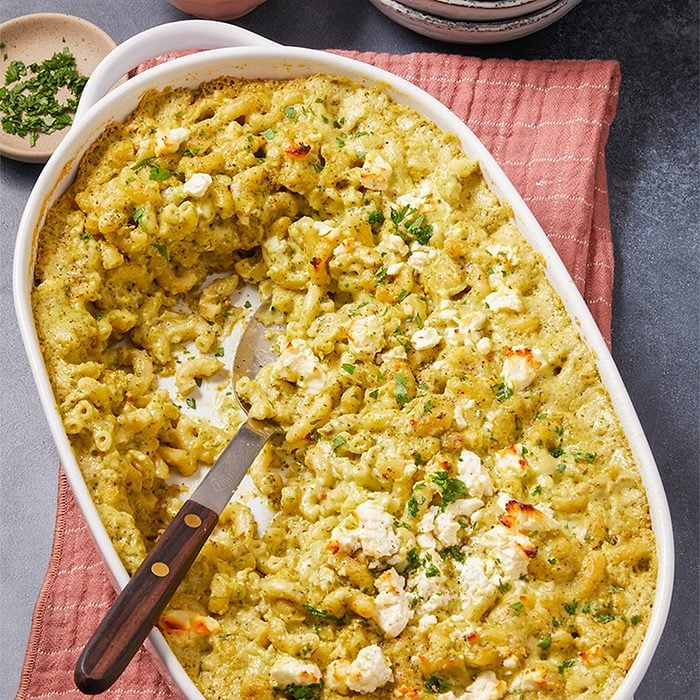
Once you learn how to make classic pesto, you’ll realize how easy it is to tweak the herbs, nuts and spices to create something unique, like the pesto in this macaroni and cheese recipe. To add even more flavor to the cream cheese and cheddar sauce that blankets the cooked pasta, you stir in a parsley, garlic, pistachio, olive oil and za’atar pesto. For a bigger za’atar boost, mix some into toasted buttered bread crumbs, then scatter them over the top before baking.
Blue Cheese Chicken Stuffed Mushrooms
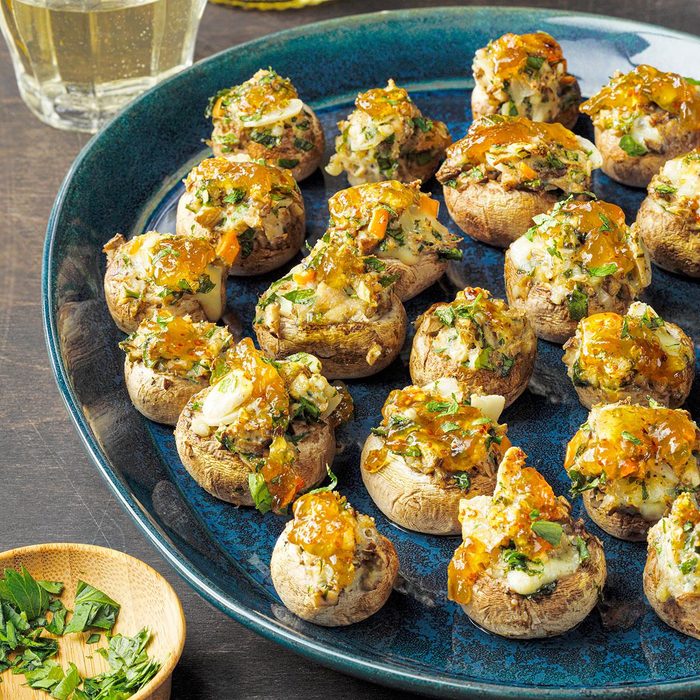
There are a lot of flavors in these bite-sized stuffed mushrooms, from the toasted almonds and blue cheese to the spicy habanero and sweet fig jam. You use only 1/2 teaspoon of za’atar to season the stuffing, but don’t be tempted to skip it. The slight tartness from the sumac, nuttiness from the sesame and earthy thyme tie everything together.
Middle Eastern-Inspired Macaroni Salad
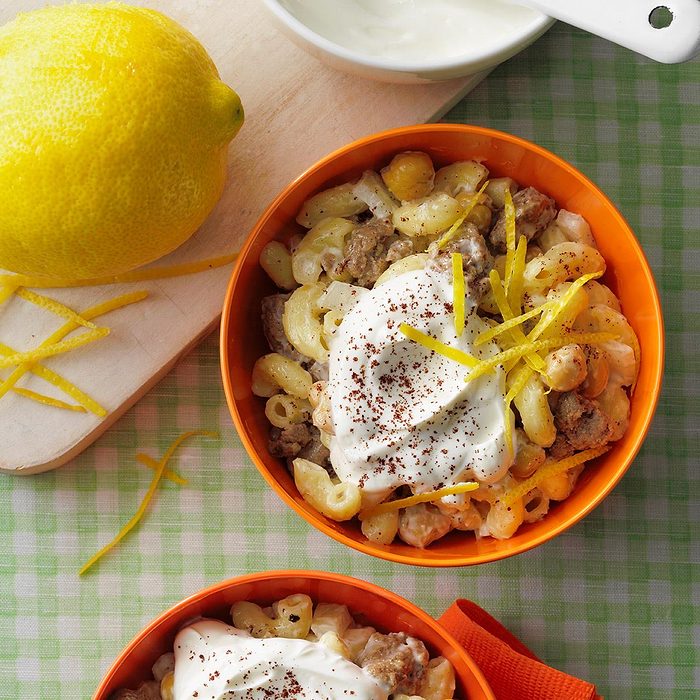
If you are looking for a new pasta salad recipe or a cool dinner on a hot night, this hearty dish fits the bill. It combines browned ground lamb, chickpeas, fresh onion, za’atar and a creamy mayo-based dressing with cooked pasta. The recipe offers a range for how much za’atar to include, so you can tailor it to your tastes. Remember that as it chills in the refrigerator, the herbs and spices in the za’atar will bloom, so if you are making it a day in advance, you might want to start with the lesser amount. You can always mix a bit more in before serving.
Mediterranean Chicken Thighs
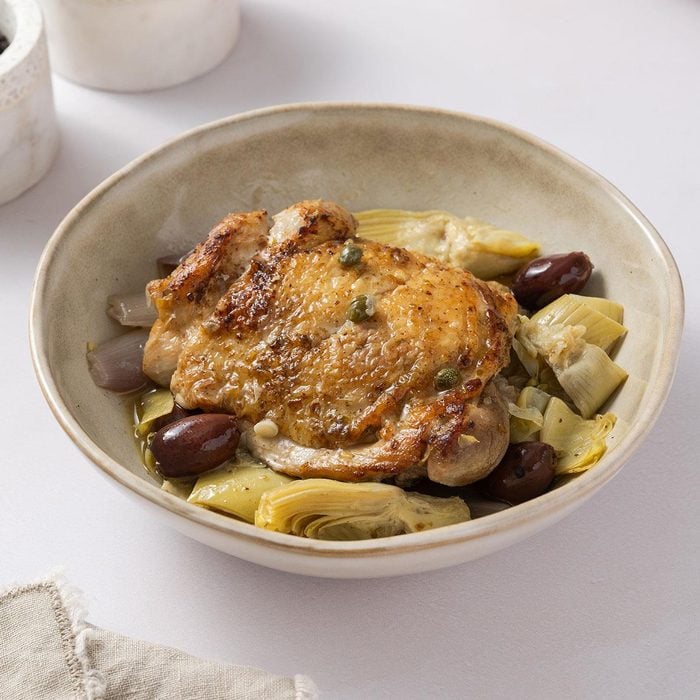
This one-pan chicken dinner braises chicken thighs, artichokes, olives and big pieces of shallot with white wine, lemon, garlic, capers and za’atar for a meal that’s essentially dump-and-bake yet tastes restaurant-worthy. You have the option of using sumac or za’atar in this recipe. Both will bring some tang to the sauce, but I vote for using za’atar; the herbs and sesame seeds offer a more layered, complex flavor.
Socca
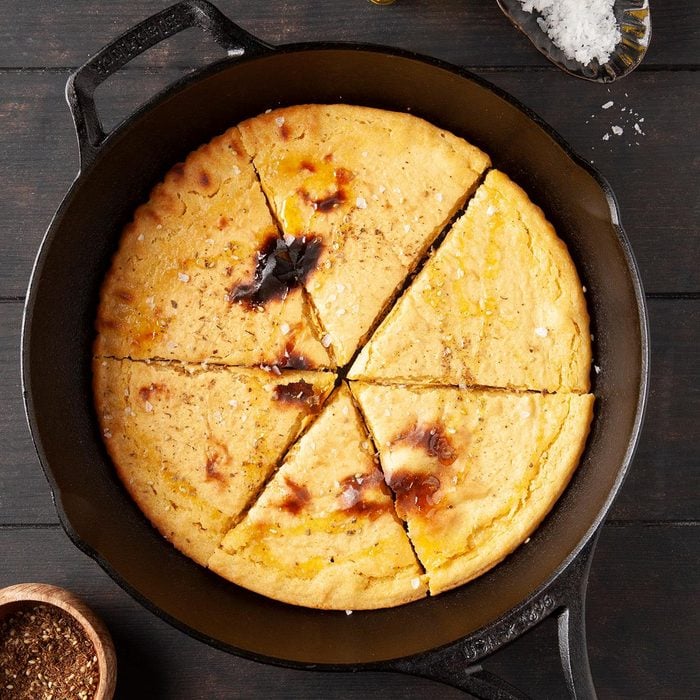
The first time I had this crepelike, chickpea flour-based snack was sadly not in Nice, France, where it’s a traditional recipe. This is easy enough to make at home and can be topped in any number of ways, including in my favorite way: with za’atar, olive oil and salt. Chickpea flour is already nutty, so adding za’atar works with and not against the flavor of the pancake. It’s a great brunch dish, but I also enjoy it as part of a simple dinner since it cooks so quickly.
Recipes with Za’atar FAQ

What does za’atar taste like?
Za’atar tastes earthy, nutty and tangy from the combination of slightly woodsy thyme and oregano, sesame seeds and sumac. Some brands include a bit of chili pepper or salt, but it’s not overly spicy or salty. It can be used right out of the jar, which makes the herbs taste a little grassier and the sumac bright, or it can be cooked or roasted, which enhances the flavor of the sesame seeds.
How do I make my own za’atar seasoning?
Za’atar is pretty easy to make at home with equal amounts of dried thyme, oregano, sesame seeds and sumac, and a pinch or two of salt if you like. You can make adjustments from there, using a combo of thyme and marjoram instead of all thyme or adding a pinch of cumin. The fun part about making a spice blend at home is that you can adjust it to your preferences. To make the sesame seeds more robust, toast and cool them. Then, lightly crush them so their natural oils coat the other ingredients once mixed.
What is the easiest way to use up za’atar spice?
The easiest way to use up za’atar seasoning is simply to sprinkle it over hummus or yogurt dips or whisk it into homemade salad dressing. You can also use it to season a tray of veggies before roasting, mix it into bread crumbs for coating chicken or fish, and toss it with cubes of bread or wedges of pita for homemade croutons and seasoned pita chips. One of my favorite, easy ways to use up za’atar is to make Lebanese man’oushe at home by mixing olive oil and za’atar together into a paste, spreading it over pita bread dough and baking it until golden.