



Don't let that bottle of balsamic glaze collect dust in the back of your pantry. These recipes add a sweet, tangy finish to salads, sandwiches, pizzas and more.
Watermelon Feta Salad
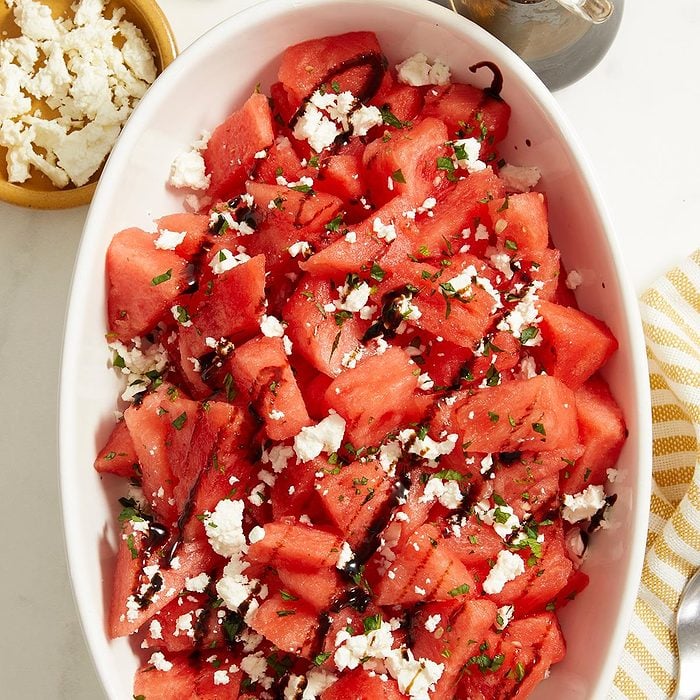
This summer salad is a favorite of mine. It features refreshing watermelon, salty feta and bright mint, with tangy balsamic glaze tying it all together. Balsamic vinegar is a no-no here: It’s too thin and will seep into the watermelon, turning it into mush. The glaze is much more viscous and coats all the ingredients nicely.
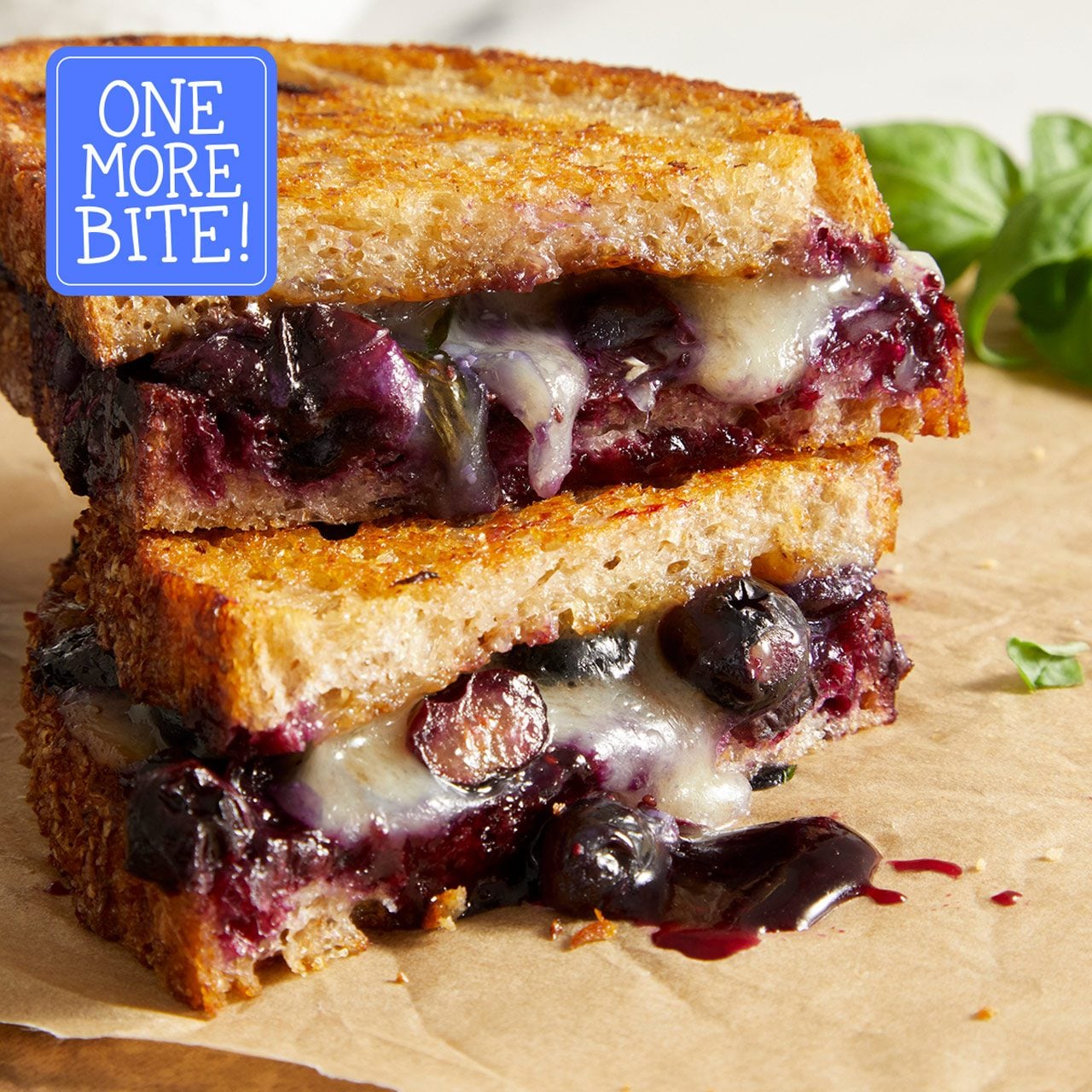
Blueberry Brie Grilled Cheese
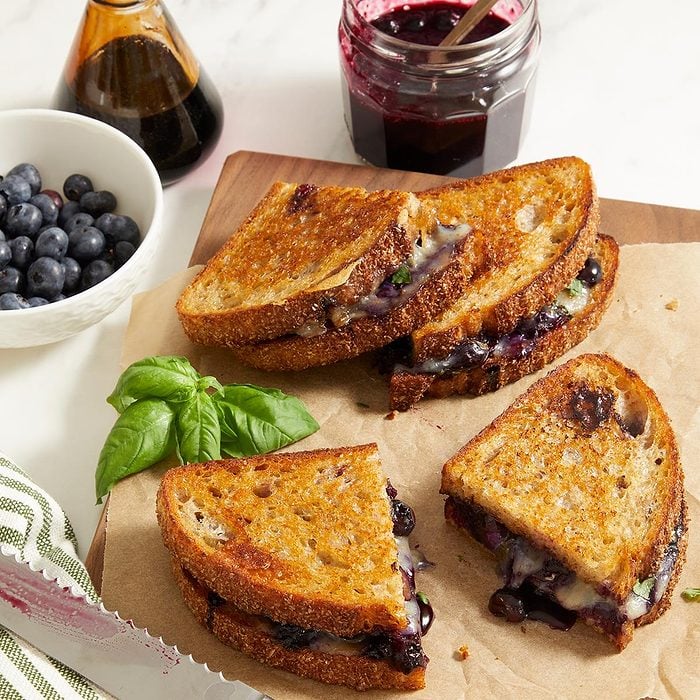
Please leave your usual idea of a grilled cheese at the door. This adultified grilled cheese layers Brie, blueberries, basil, balsamic glaze and a homemade hot honey blueberry compote on sourdough. It’s rich, sweet, a little spicy and, of course, has a wonderfully complex note thanks to our hero ingredient: balsamic glaze.
Prosciutto-Wrapped Figs in a Blanket

Here’s a very chic, four-ingredient, low-effort appetizer to welcome guests to your fancy wine bar—er, I mean, to your home. Halved figs are stuffed with goat cheese and wrapped in prosciutto, then baked until the cheese is warm and the prosciutto becomes crisp. The drizzle of balsamic glaze at the end brings all the flavors together.
Italian Sushi
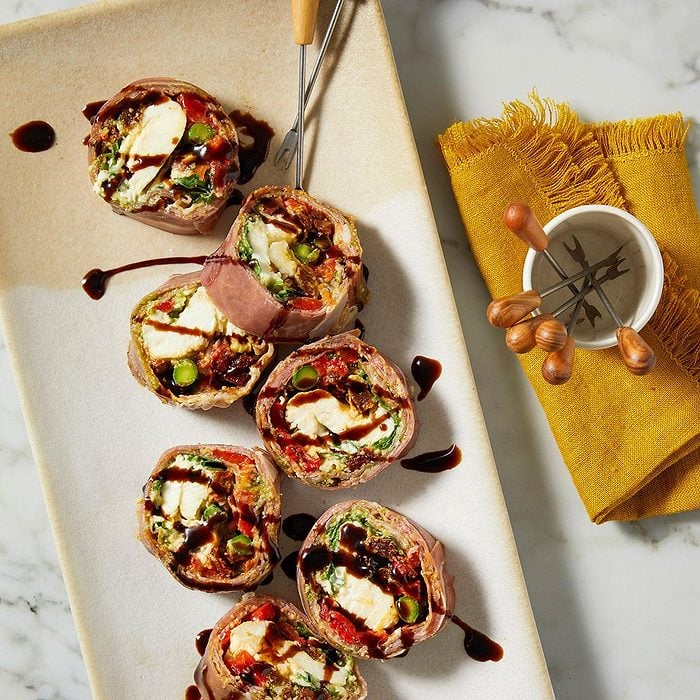
This totally unexpected appetizer is called “sushi,” but I like to think of it as a new way to serve charcuterie. Thinly-sliced prosciutto and salami are rolled around all the usual fixings from an antipasto platter: pesto, asparagus, olives, burrata cheese, roasted red peppers and sun-dried tomatoes. Balsamic glaze is our finisher in lieu of soy sauce.
Bruschetta Chicken
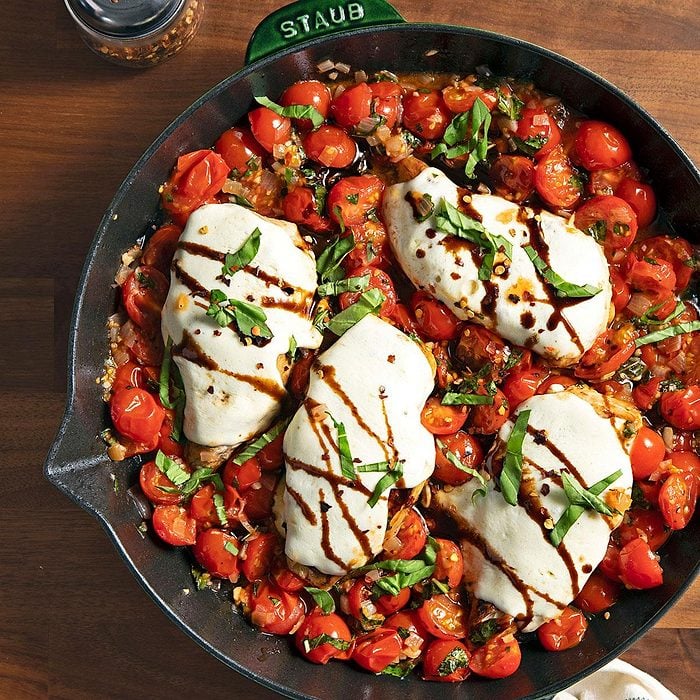
I adore this dinner in the summertime, when tomatoes are in season and at their sweetest. But even in the winter, this warming dish still tastes great. It’s like eating baked bruschetta, but with chicken for extra protein.
Brussels Sprouts with Bacon
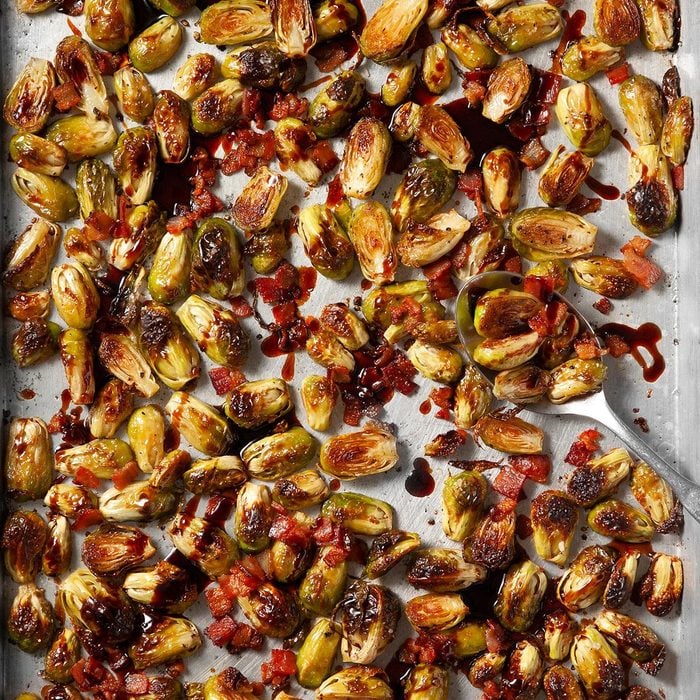
If you don’t know, now you do: Brussels sprouts and balsamic go together like peanut butter and jelly. Add salty, crispy bacon to the mix, and it’s a warming side for fall and winter dinners.
Gnocchi Caprese Salad
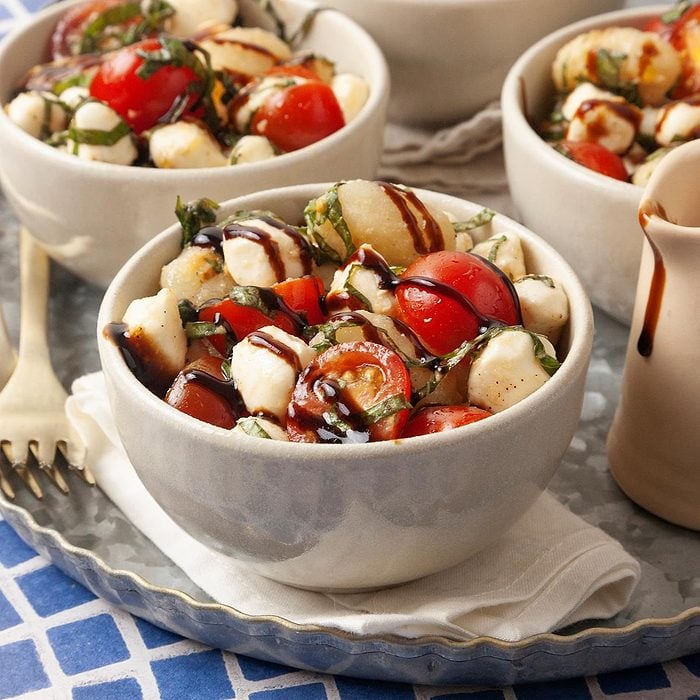
I love this caprese pasta salad for summertime dinners. Gnocchi makes the salad feel substantial enough to serve as a main course, and the balsamic glaze acts as the sauce with the vinaigrette-dressed cherry tomatoes. It’s simultaneously light and refreshing yet hearty and filling.
Caprese Sandwich
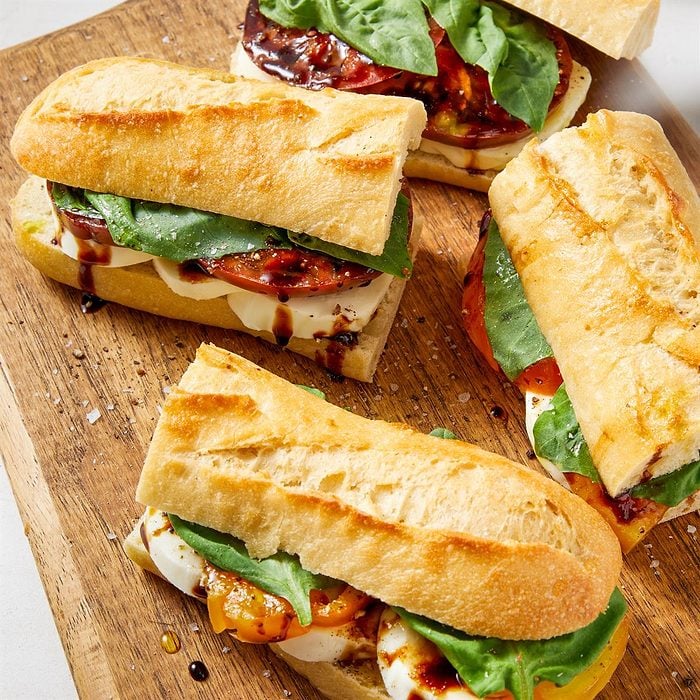
If there were ever a case for balsamic glaze on a sandwich, it would be one fixed with all the caprese components. The juicy mozzarella and tomatoes come together to add plenty of moisture, and the balsamic glaze is the final ingredient to combat a dry sandwich.
Grilled Tomato Pizzas
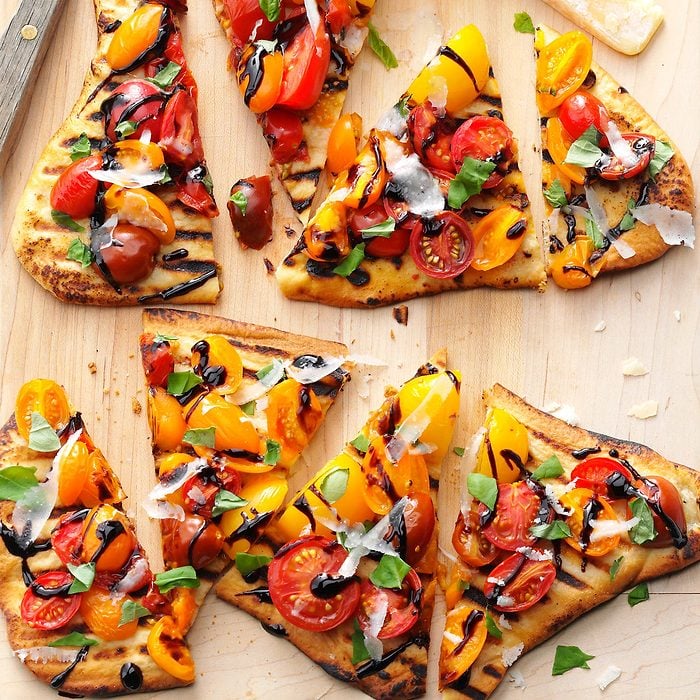
When warmer weather comes around, I turn to summery pizzas instead of the heavy ones loaded with cheese and meaty toppings. This grilled tomato pizza starts with a homemade pizza crust cooked on the grill (I love those pretty char marks!). Then, in-season tomatoes, Parmesan cheese and fresh basil are scattered on top and finished with a lovely drizzle of balsamic glaze.
Chicken Caprese
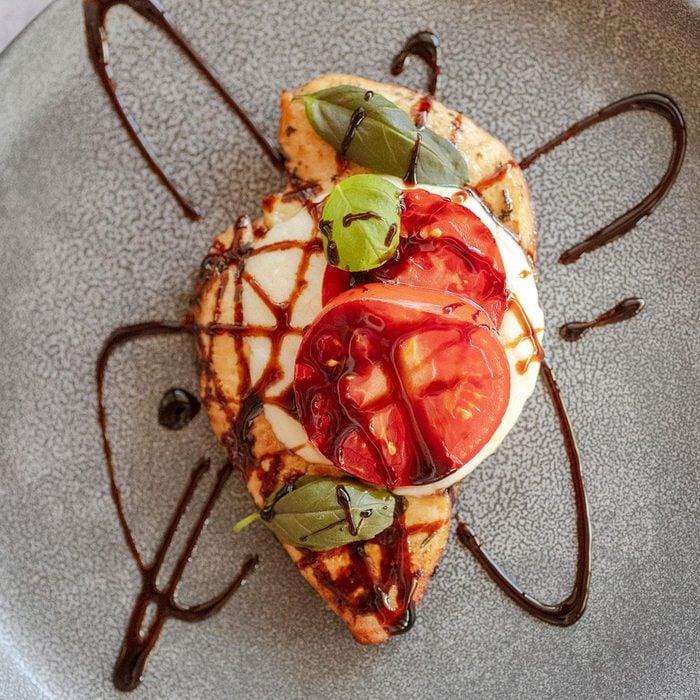
This baked chicken dish has so much going on. The chicken breasts are marinated in Italian salad dressing, herbs and spices, then baked until golden brown. But before they’re taken out of the oven, the chicken breasts are topped with the typical caprese trio (mozzarella, tomatoes and basil). After the combo warms slightly, it’s finished with balsamic glaze before serving—it’s not caprese without it!
Bacon, Blue Cheese & Fig Bruschetta
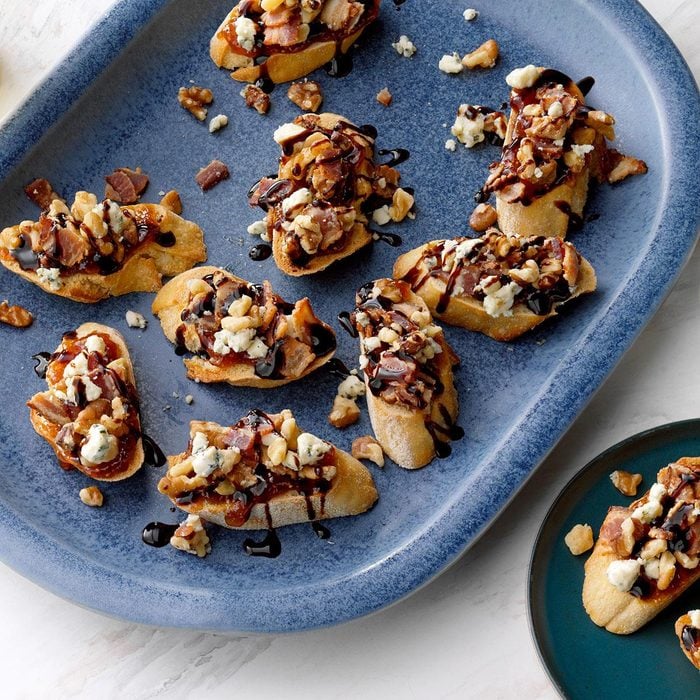
Here’s a holiday appetizer piled high with wintery ingredients. Fig preserves, crumbled bacon, chopped walnuts and blue cheese sit atop sliced French bread, tied together with a drizzle of balsamic glaze for a hint of sweetness and tang, biting through all the savory ingredients. It pairs particularly well with balsamic-kissed entrees, like balsamic pork tenderloin.
Watermelon Pizza
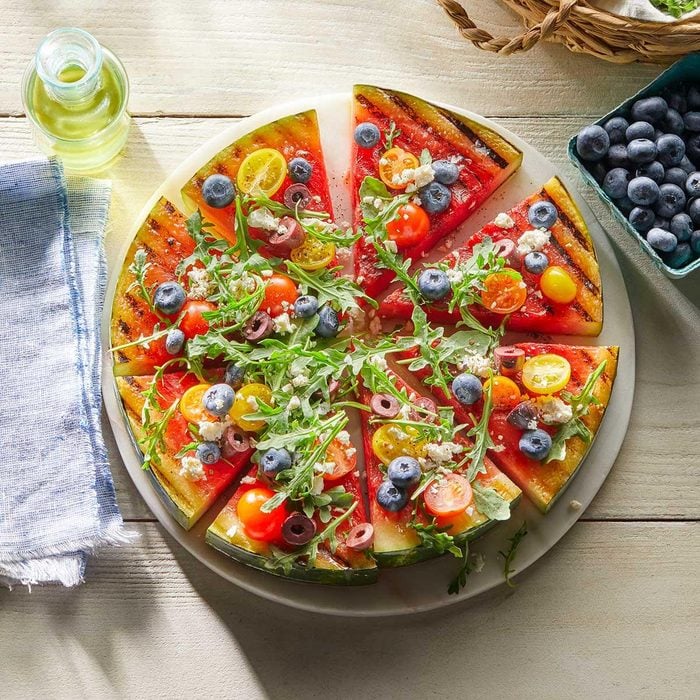
This whimsical summer party appetizer is the perfect dish to throw on the grill as it heats up for the day’s duties. While the watermelon chars, prepare the tomatoes, arugula, blueberries, feta and olives. Pile them on top of the grilled watermelon, then drizzle with balsamic glaze. Let everyone nosh while you get the mains going.
Goat Cheese and Spinach Stuffed Chicken
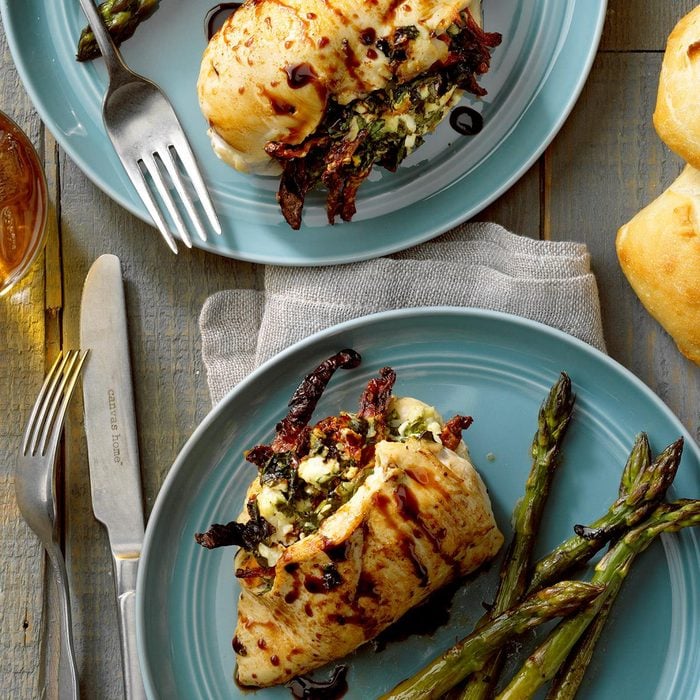
This is a wholesome main dish we can’t stop making in my house. Lean chicken breasts are filled with goat cheese, spinach and sun-dried tomatoes, then cooked through with asparagus on the side. Everything’s finished with balsamic glaze, which really takes this dish from homemade to worthy of an Italian restaurant.
Gluten-Free Pasta Salad
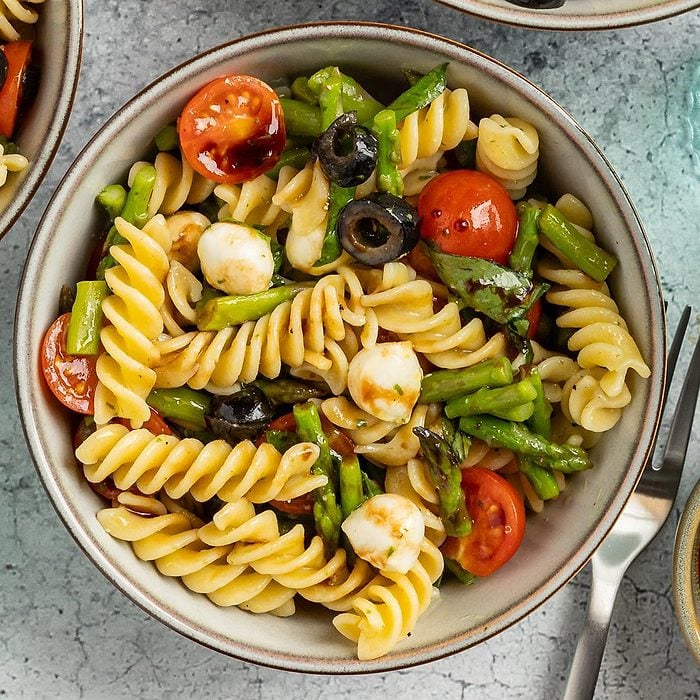
Gluten-free pasta is very easy to overcook—an undesirable component for pasta salad. We’ve cracked the code on cooking gluten-free pasta: Check for al dente two minutes before the suggested time on the box, because it’s often done before the box suggests. Once it’s al dente, immediately drain the pasta and run it under cold water to stop the cooking process. Then dress with a little balsamic glaze as a quick and easy dressing.
Fig Balsamic Walnut Flatbread
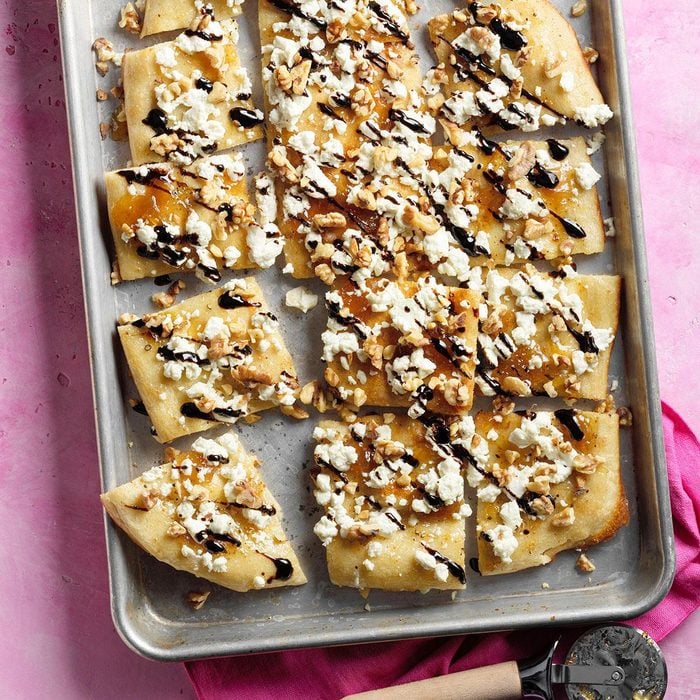
Why should summer get to have all the flatbread fun? This fig, balsamic and walnut flatbread brings wintery ingredients to this usually summery dish. There’s lots of salty goat cheese, sweet fig preserves and earthy walnuts, but 1/4 cup of balsamic glaze adds tang to balance it all out.
Recipes with Balsamic Glaze FAQ

What is the difference between balsamic vinegar and balsamic glaze?
Traditional Modena balsamic vinegar is made from cooked grape must (freshly pressed grape juice, typically including skins, seeds and sometimes stems). The must is slowly concentrated, then fermented and aged in wooden barrels for at least 12 years to develop its characteristic sweet, tangy and complex flavor.
Balsamic glaze is made by reducing balsamic vinegar until much of the water has evaporated, creating a sticky, thick glaze. Some brands include added sweeteners or thickeners, so check the label before purchasing.
Does balsamic glaze expire?
Balsamic glaze does expire, but most store-bought balsamic glaze has a shelf life of about two years. Store it in a cool, dry area of your kitchen, like the pantry or a cupboard. However, homemade balsamic glaze only lasts up to one month in an airtight container in the refrigerator.
Can you cook with balsamic glaze?
You can cook with balsamic glaze, but it’s better to use it as a finishing ingredient. Cooking with balsamic glaze can change its nuanced, delicate flavor. Instead, drizzle it on at the end when finishing your salads, pizzas, deli meats, pasta salads, fruits and roasted vegetables.

