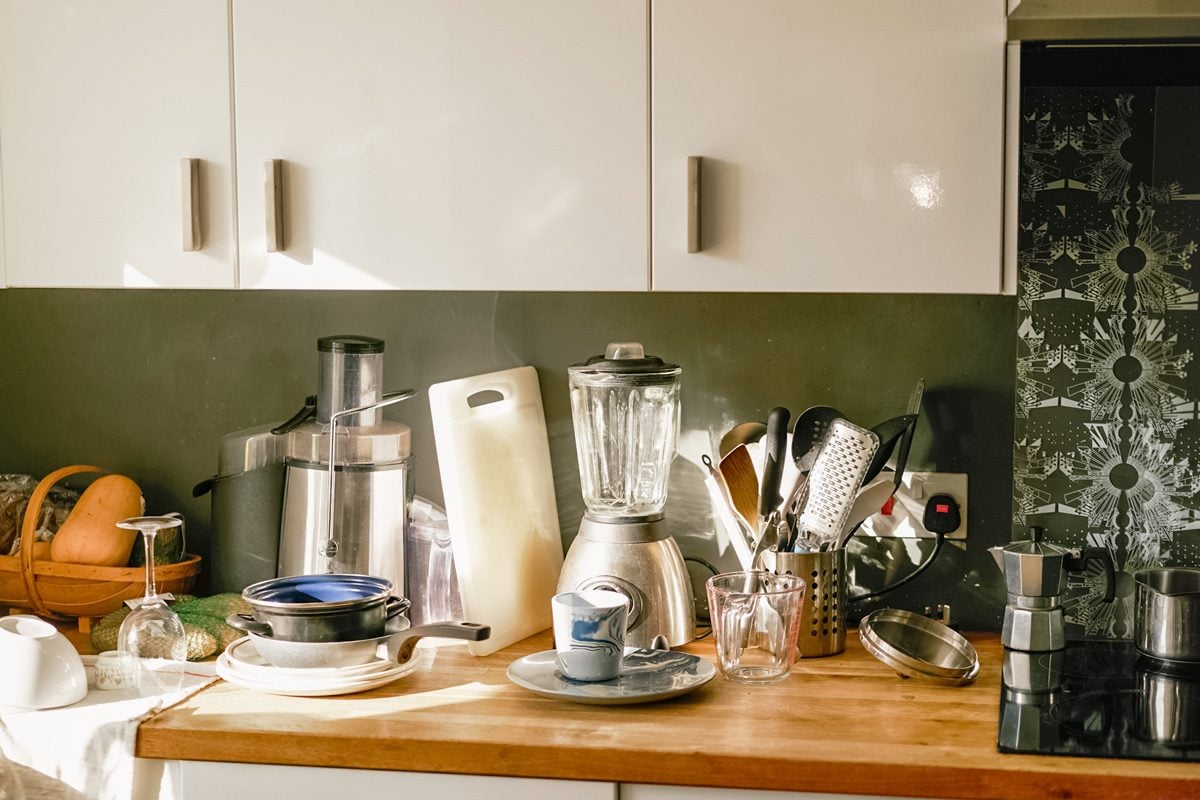
From expired spices to “just in case” gadgets, learn what professional organizers say to toss. Here's how to reset your kitchen so it actually works for you.
Expired Food
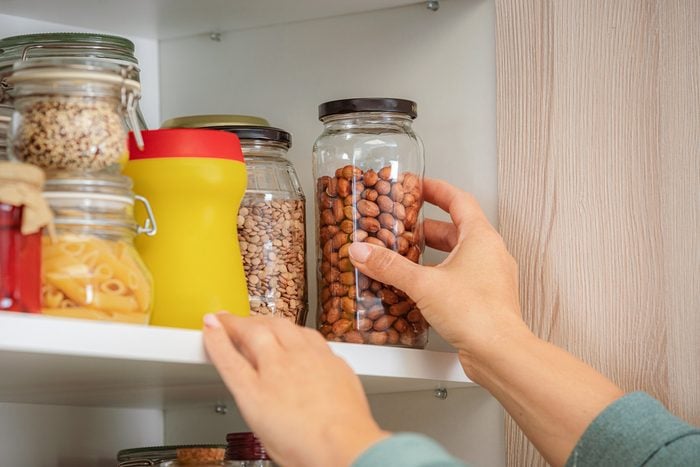
Chances are, there’s old or expired food lurking in your pantry. I know that I’m absolutely guilty of buying a massive bag of garam masala for one recipe, then shoving it to the back and rediscovering it four years later. Some foods keep past their expiration dates, but anything stale, old or long-expired should be among the first things to go.
“Be sure to open the oils, peanut butter and other nut butters to see if they smell rancid,” recommends Carol of Luxury Pro Organizer. “If they have an unusual smell, it’s time to replace them.” Nuts are one of the baking ingredients you can store in the freezer to prevent them from going bad.
Stale Herbs and Spices
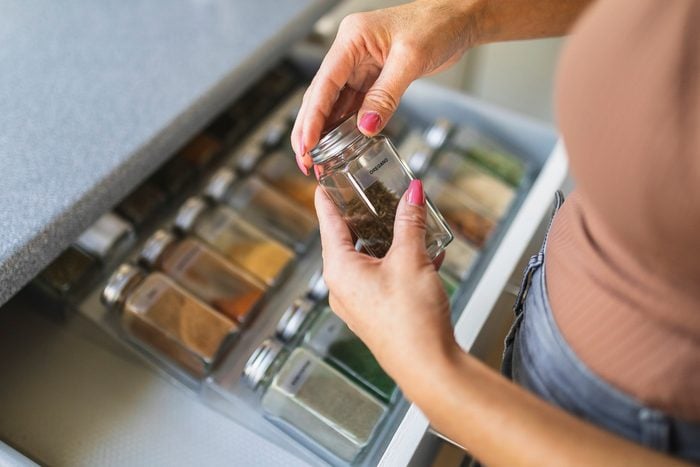
Most dried herbs and spices don’t have an expiration date, but they do have a best-by date. Once they pass that date, they won’t be at their freshest or most flavorful. “With spices, the bigger issue is often loss of flavor over time,” says Marie of Organize with Marie. “Certain ingredients—especially seasoning blends that contain nuts or oils—can go rancid and should definitely be discarded if they smell off.”
When organizing your spice drawer, Marie recommends taking everything out, grouping like with like and checking what you actually use. “The first step is tossing anything that’s past its prime or no longer smells potent,” she says. You should also look at the dates on the packaging. With things like spices, it’s helpful to understand the difference between best-by and expiration dates.
Novelty Appliances
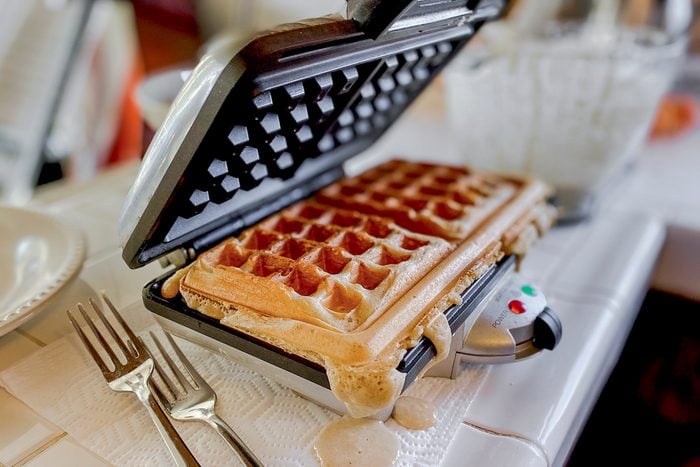
Is it just me or have single-use gadgets reached an all-time high in the name of “innovation”? My cabinets were already packed with ice cream makers and waffle makers, but now s’mores roasters, two-slot hot dog toasters and even mini hand-pie molds are all clamoring for space on the lazy Susan.
“Specialized gadgets like egg slicers and avocado pitters may seem clever in the store but rarely justify their drawer space,” says Cara of Organize Every Room. They’re fun in theory, but if you don’t use them regularly (or at all), they’re probably not worth the space. Marie suggests looking at the tools you already have to see if they can work double-duty. “Most of the time, a good knife or a pan you already own can do the job just as well,” she says.
Of course, if you’re a fiend for hard-boiled eggs and eat them every day, go ahead and hold on to your fancy egg tools. The idea here is to use your space wisely.
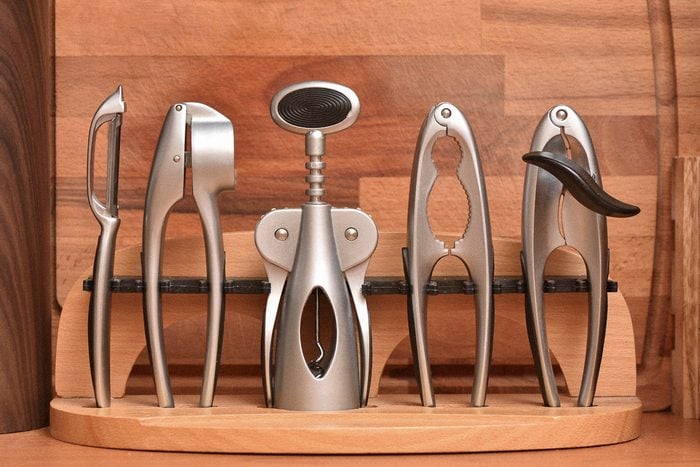
Duplicate Kitchen Tools and Gadgets
I’m known for holding on to multiple can openers or apple slicers in my bonus tools drawer. I usually reason with myself—ah, but I’ll have a backup in case my go-to tool starts to show its age—but do I ever use the backup? So why not toss that tired tool now?
Hanging on to duplicate tools and utensils only creates more kitchen clutter. Carol suggests gathering all your duplicate gadgets in one place. When you see them all together on the counter or table, it’s easier to critically assess what you really use and need.
Looking to pare down to the absolute essentials? “A couple of good knives, one potato peeler, a grater, a colander, a couple of spatulas and cooktop spoons are sufficient,” Carol says.
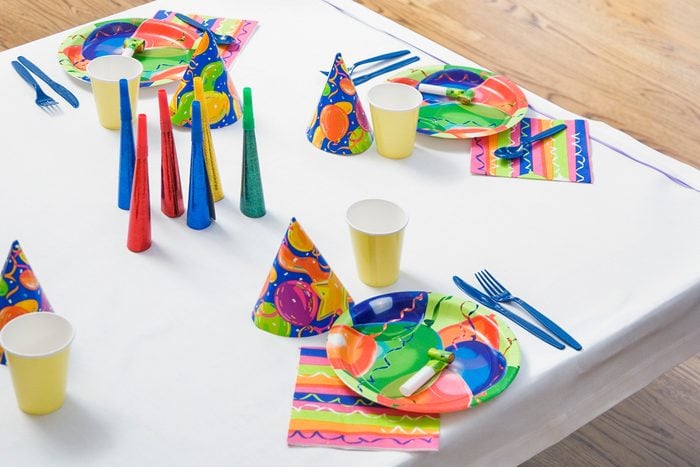
Outdated Party Supplies
Everyone loves a good party, but if you still have napkins hanging around from your 40th birthday or cocktail plates from a casino theme party, it may be time to discard or donate them.
“With party supplies, I usually recommend keeping only what’s versatile enough to use again,” Marie says. “If it’s very theme-specific, damaged or left over from a party years ago, it’s probably not worth storing. These items tend to get shuffled from one shelf to another without ever being used again.”
For items that you can reuse, like holiday linens or themed paper goods, Marie suggests creating a dedicated zone outside of your everyday kitchen storage area. Put them in a closet, dining room buffet or an enclosed bin in the basement. They will be easy to find when you need them but won’t clutter up your kitchen year-round.
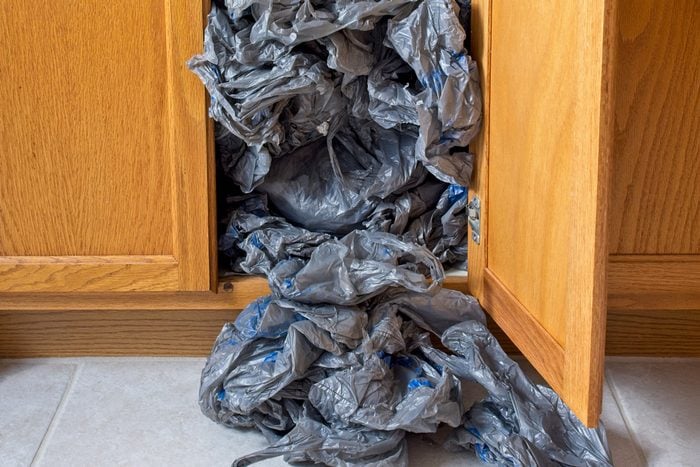
Excess Grocery Bags
Most of us are guilty of holding on to a stash of miscellaneous bags—just in case! I keep everything, including the tiny paper totes from the cafe next door, the huge heavy-duty big-box bags and every random grocery bag. But the everlasting question persists: Just how many old bags do you really need? They can be useful for some purposes, but Carol warns that large stashes can attract pests.
To ensure you’re keeping only the number you’ll actually use, choose a bin or pouch to store them. This will keep your storage to a reasonable number and you can say goodbye to the overflow. “Containment is key,” Marie says. “They multiply quickly, and without a limit, they can become clutter almost overnight.” If you know you won’t be able to throw away the excess bags, consider switching to reusable grocery bags so you won’t be tempted.
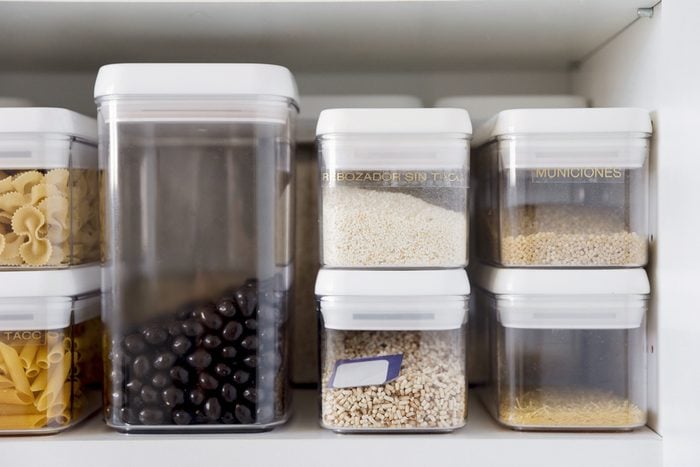
Foods You Won’t Actually Eat
Remember when you bought all those bags of frozen cauliflower rice—only to discover you don’t like cauliflower rice recipes? Those bags might still be hiding in the back of your freezer, and there’s really no need to keep them around. Cara recommends asking yourself, “Does this item reflect your cooking style or represent who you wish you were in the kitchen?” If the answer is no, say bye-bye to the foods you can’t stand the sight of.
Keeping excess food around—fresh or shelf-stable—takes up space you can use to store the items you’ll actually reach for. Not only that, but they can create a breeding ground for mold, critters and other unsightly situations.
“In general, the kitchen works best when it’s filled with items (and foods) you use regularly and can access easily,” Marie says. “The goal isn’t to get rid of everything—it’s to make room for what actually supports your daily life.”
Unused Kitchen Tools
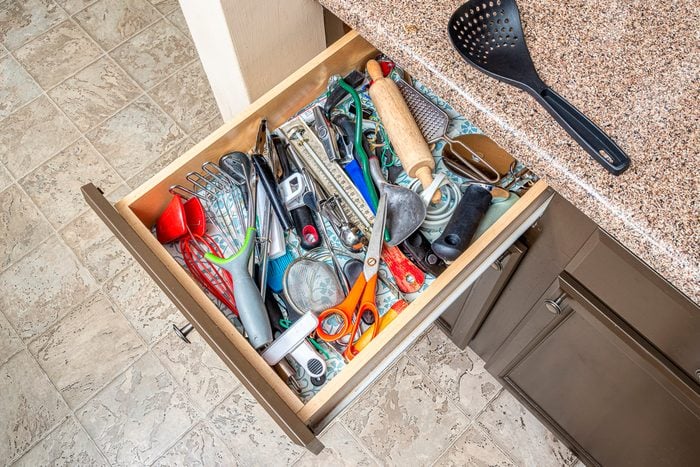
Do you have kitchen tools lying around collecting dust? A good rule of thumb is to get rid of anything you haven’t used in more than a year. “If you haven’t touched your garlic press in a year or if that juicer is still in the box from last Christmas, it’s time for them to go,” says Courtney of The Stylish Organizer. “Be realistic about your culinary needs and donate anything you don’t use on a regular basis.”
Marie adds another code to live by: The best way to decide what’s worth keeping is to be honest about how you actually live, not how you imagine you might use the item someday. “I usually tell clients to ask themselves a few simple questions: Do I use this regularly? Would I buy it again today? Does it make cooking or hosting easier? If the answer is no, it may be time to let it go.”
Opened or Unused Packaged Goods
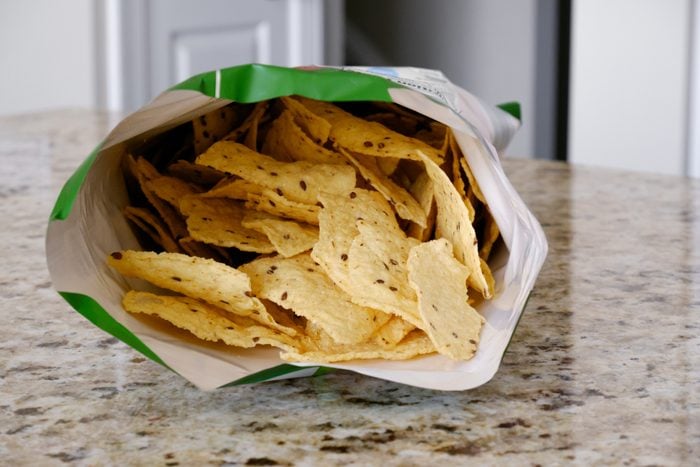
Half-eaten containers of food might still technically be good, but they’re probably stale and unlikely to actually get eaten. “Opened food like chips, cereals, crackers and other packaged goods can go stale quickly once exposed to air,” Carol says. “If they’ve been sitting a while and have lost their freshness, it’s time to throw them out.”
Unfortunately, anything that’s already opened has to be thrown away. But you may be able to donate unopened items that aren’t expired, so check with your local organizations to find the best place to drop off unused snacks and canned goods. Churches, food drives, local food banks and other food organizations that give back to the community are often looking for donations. Many will even pick them up for free.
Mismatched Food Storage Containers
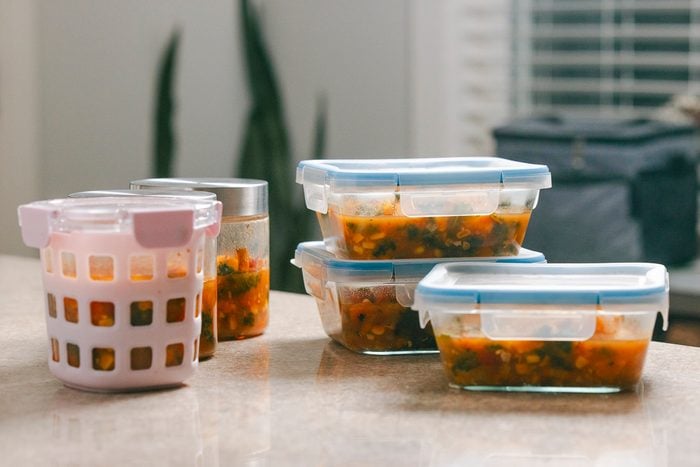
I don’t know about you, but it took me a while to find the best food storage containers for my kitchen. Even if you’re not trying out multiple brands, the test of time can lead to a drawer full of stained, broken or mismatched pieces. “If you open a cabinet and everything falls out, it’s time to reassess,” Courtney says. Once a year, take the time to pull it all out and get rid of anything with stains, scratches or missing lids.
Marie adds that you should think through what you actually use and what serves a clear purpose. “Random takeout containers and leftover jars can be helpful for sending guests home with food or dropping off meals, but they shouldn’t take up valuable everyday space,” she says. Keep your go-to containers front and center, and store a small, limited stash of extras elsewhere. We all love holding on to a leftover pickle jar just in case, but there’s really no need to store more than you’ll realistically use.
Chipped Dishes
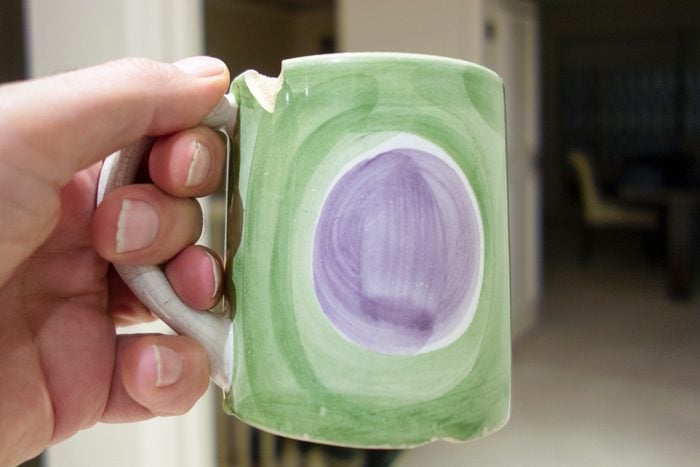
We all have a slightly chipped, sentimental mug that’s moved with us more than once or a well-worn platter that we never use but still tugs at our heartstrings. These are often the hardest items to part with, even when they’re no longer in great shape.
“Unless you are really handy with superglue or are saving something for sentimental purposes, get rid of any broken or chipped dishes and cups,” Courtney says. It’s not always easy, but it helps to remember that you can hold on to the memory without holding on to the item. Removing damaged dishes makes space for pieces you’ll actually use and enjoy, creating new memories.
Damaged and Rarely Used Cookware
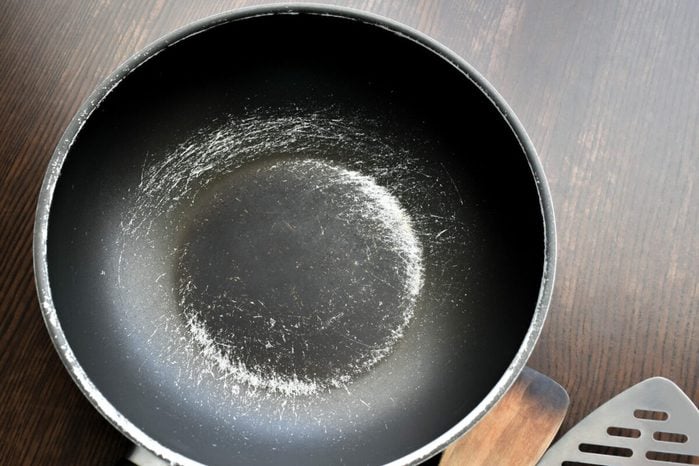
That baking sheet with food burnt on the edges? You may be able to clean it. But there’s no way to buff out scratches in a nonstick pan. Damaged cookware takes up valuable space in your kitchen, so get rid of anything you can’t fix (or don’t have time to).
Some cookware or specialty servingware is used only a few times a year (I’m looking at you, Thanksgiving roasting pan). “Items you use only once in a while can absolutely live outside the main working zone of the kitchen,” Marie says. “They can occupy higher shelves in cabinets, where they are still accessible but not in the way of everyday items.”
Random Papers and Old Product Manuals
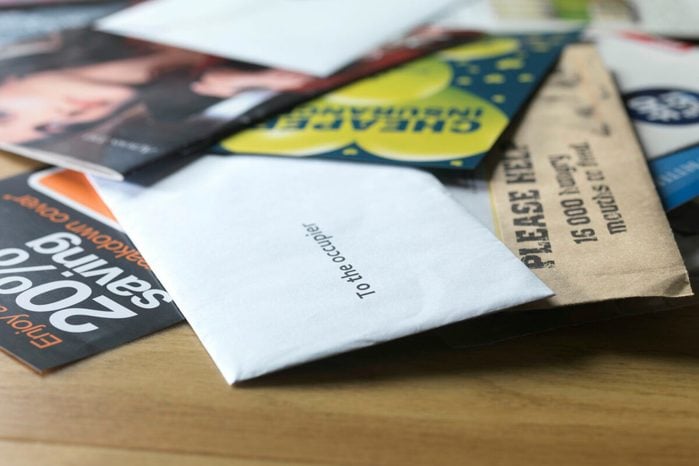
It’s a good idea to go through that collection of product manuals you stash in your kitchen cabinet. You may find that you’re holding on to manuals for appliances you haven’t owned in years. Most manuals can be found online with a quick search, so there’s no need to hang on to bulky paper copies.
Recycle what you can, shred anything with personal information and keep only what’s truly useful—like warranties or guides you actually reference. A quick sweep now makes it much easier to find what you need later on. And maybe start using that junk drawer for something other than, well, junk.
Spare Bottles and Travel Mugs
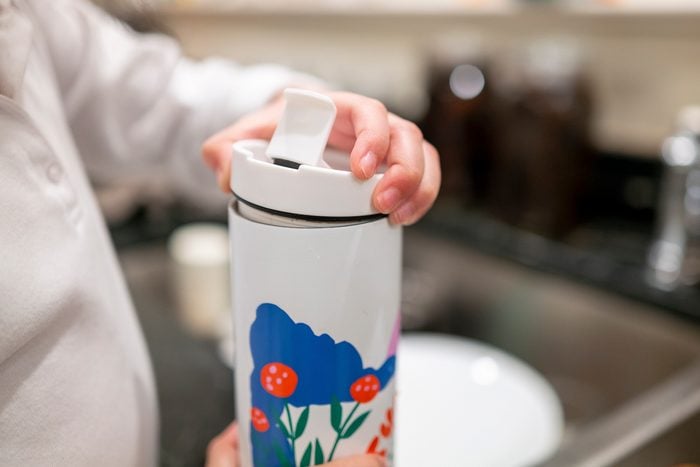
It’s the age-old question: How many reusable water bottles and coffee tumblers do you actually need? Marie can relate. “Almost everyone has a cabinet full of these,” she says. “The reality is most people rotate through the same two or three favorites, while the rest create clutter and make cabinets harder to use.”
If you find yourself reaching for your favorite Stanley cup again and again, think about why you have so many extras. Don’t be afraid to donate the ones you’ve shoved to the back of the shelf.
Bulky Appliances
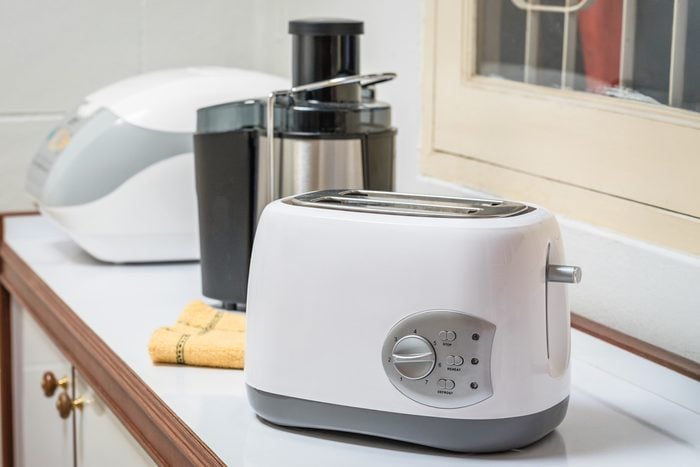
When it comes to decluttering our kitchens, most of us pay attention to the little things that take up space—extra spice jars, wooden spoons and misfit gadgets. But let’s not neglect the heavyweight champions that flex for counter space. I’m talking blenders, toaster ovens, food processors, stand mixers, bread makers, juicers, rice cookers, Instant Pots—the list could go on! Maybe you use them every day, but maybe they’re just collecting dust, taking up valuable space.
“If an appliance is bulky and comes out only a few times a year, it may not deserve prime kitchen storage,” Marie says. “Nowadays, some appliances function as multicookers and can perform a range of tasks, which helps eliminate extras that do the same job.” In many cases, one good multitasker can replace several single-use appliances.
Serveware for “Someday”
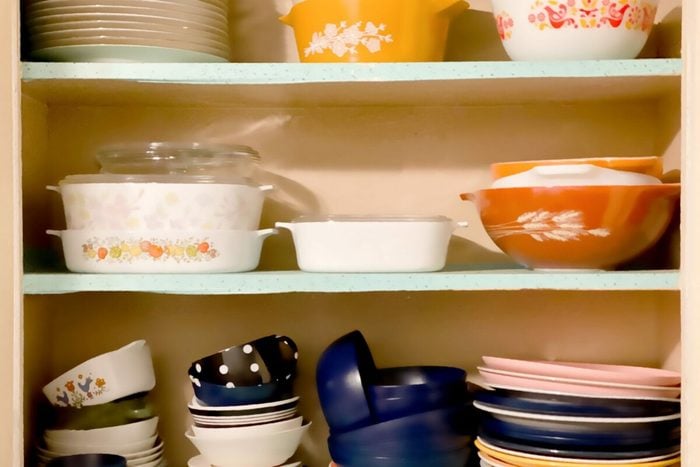
Oversized platters, specialty serving bowls, cake stands or entertaining pieces that come out only once or twice a year can quickly overcrowd cabinets. They’re worth keeping if you truly use and love them, but many people hold on to far more than they need. Finding another spot for some of these bulky items can free up valuable kitchen space.
“Entertaining pieces often fall into the ‘just in case’ category, but it’s important to be realistic about how often you actually use them,” Marie says. “Keep the items you reach for regularly or genuinely enjoy, and consider relocating the rest to a secondary storage area so they’re accessible without taking over your everyday kitchen space.”