

![The Best Espresso Beans for Every Coffee Drinker [Tested and Reviewed]](/wp-content/uploads/2024/07/TOHA24_Group-Shot_Katie-Bandurski_01_YVedit_FT-e1719236281336.jpeg?resize=72,72)


![The Best Organic Coffee [Tested and Reviewed]](https://grid-rampart.live/wp-content/uploads/2024/08/TOHA24_The-Best-Organic-Coffee_Katie-Bandurskit_06_FT_STedit.jpg)

Our editors and experts handpick every product we feature. We may earn a commission from your purchases.
Learn more.
Highlights
|
Whether you’re a Starbucks devotee, a java connoisseur who’s well-versed in all types of coffee or someone who’s fine with just a plain old cup of joe, there’s no denying how overwhelming it can be to pick out a coffee brand. While there are plenty out there to choose from, you might consider one of the best organic coffee companies. Free of potentially harmful chemicals and pesticides, they’re touted as being better for you (and for the planet).
We tested over a dozen organic coffees, including espresso beans and mushroom coffees, to find the very best. We also connected with Major Cohen, Coffee Educator at Cumulus Coffee, to discuss what to look for in organic coffee (and coffee in general). Cohen spent 25 years as a Starbucks corporate professional and is the author of Coffee for Dummies.
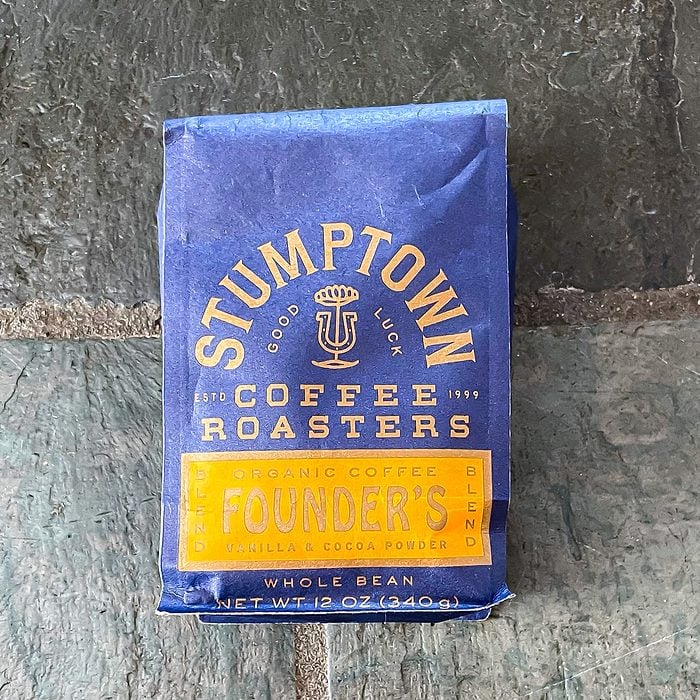
Stumptown Coffee Roasters Founder's Blend
Pros:
- Balanced flavor and easy to drink
- Very cozy and comforting—perfect for fall!
- Modest price point
Cons:
- Slightly sour finish
Of all the organic coffees I tested, the Stumptown Founder’s Blend was my favorite. It’s rich and comforting with a smooth, balanced flavor. It’s a tiny bit sour on the finish but still easy to drink. This would be perfect on a chilly fall morning—on its own or with a small splash of pumpkin coffee creamer.
Priced at around $15 for a 12-ounce bag, it’s a deliciously affordable addition to your morning routine.
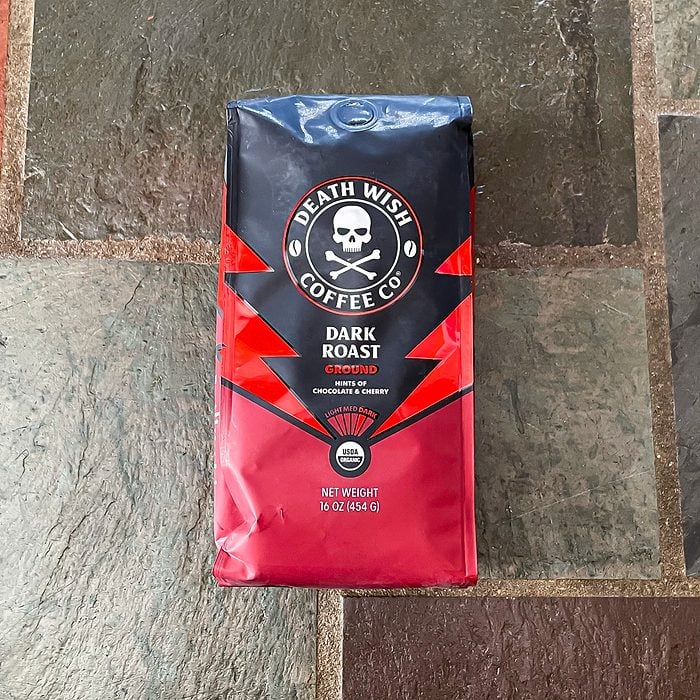
Death Wish Coffee Co. Dark Roast
Pros:
- Delicious dark roast with flavors of chocolate and cherry
- Incredibly smooth
- Modest price point
Cons:
- May not be suitable for those sensitive to caffeine
Don’t let the name scare you. Death Wish Coffee Co.’s dark roast was one of the smoothest cups I tried. Plus, the flavor descriptors of chocolate and cherry on the front of the bag were spot on. While not quite as bold as our espresso pick, this organic coffee will certainly put a pep in your step. It features both robusta and arabica beans for increased caffeine.
The price can’t be beat, either. Pick up a full pound for just under $16.
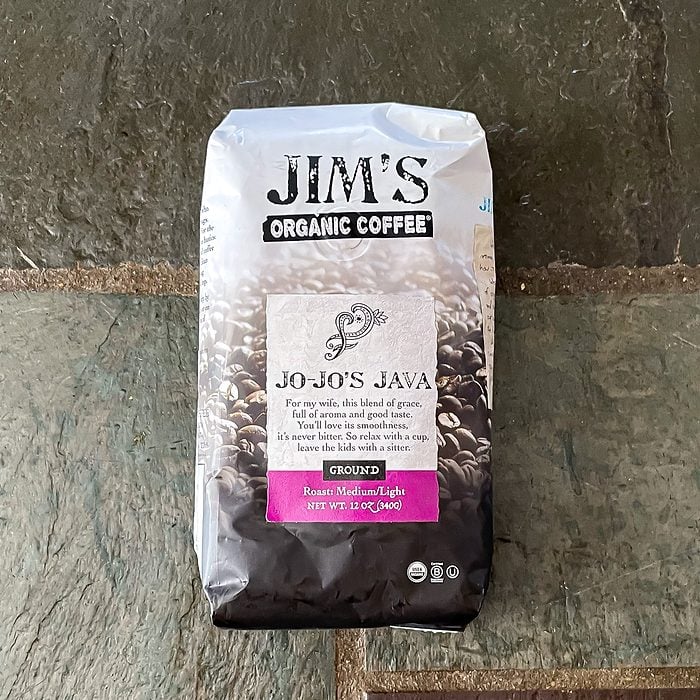
Jim’s Jo-Jo’s Java
Pros:
- Smooth, complex flavor
- Mocha aftertaste
- Modest price point
Cons:
- Not ideal for those who like a really light roast
Looking for a lighter coffee without a ton of acidity? Jim’s Organic Coffee’s Jo-Jo’s Java is smooth and sippable. It tastes incredibly fresh with a slightly mocha-forward flavor. The bag is labeled as a medium-light roast, and I found that it skews a bit more medium. That said, it’s not too strong for those who prefer a lighter brew.
At just over $14 for a 12-ounce bag, this organic coffee won’t break the bank, either.
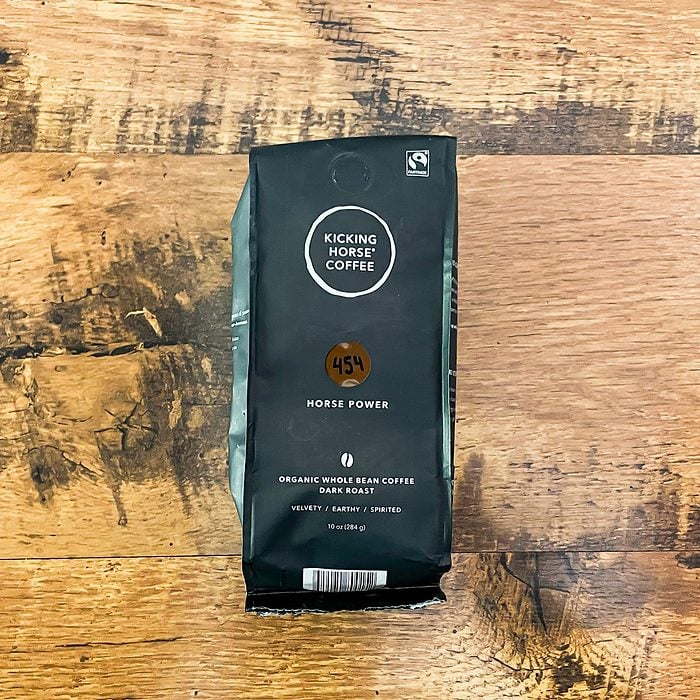
Kicking Horse Coffee 454 Horse Power
Pros:
- Strong, bold and smooth
- Delicious on its own or with creamer
- Modest price point
Cons:
- May be too dark for some, especially to sip on its own
When testing the best espresso beans, I came across several organic options. But for the best flavor, you can’t go wrong with Kicking Horse 454 Horse Power.
The name of this organic coffee is spot-on; it certainly packs a punch! Each sip is strong and bold, yet smooth. It, of course, brews beautiful espresso shots. But the real magic happens when its strength is paired with milk, foam or even ice cream (affogato, anyone?).
Content Director Nicole Doster agrees, saying, “This whole-bean coffee is smooth and chocolatey with no bitter taste. It’s the perfect crowd-pleaser.” Priced at around $1 an ounce, it’s affordable enough for everyday drinking.
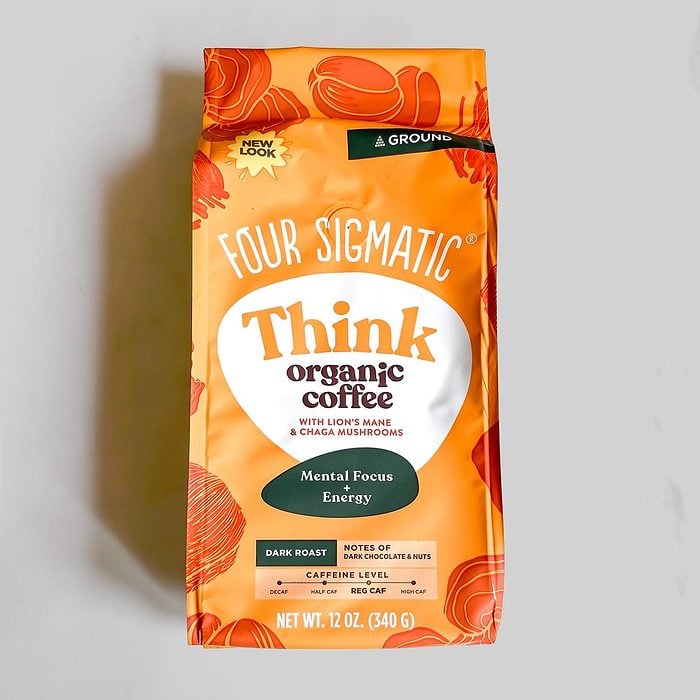
Four Sigmatic Think
Pros:
- Mild flavor for a mushroom coffee
- Reduces anxiety and jitters to help you focus
- The best mushroom coffee we tested
Cons:
- Pricey
Many of the best mushroom coffees are organic, and registered dietitian Nancy Snyder found Four Sigmatic Think to be the best of the bunch. It features a mix of lion’s mane (to improve focus and memory) and chaga (to boost overall mood and well-being).

I’ve also tried mushroom coffee, and as a self-proclaimed mushroom hater, I was impressed by its mild flavor. It’s not the smoothest cup in the world—especially after sitting for a while and getting cold—but the benefits aren’t placebo. After drinking it, my morning routine came with less anxiety and no caffeine-induced jitters.
The only downside? You pay for those extra benefits. A 12-ounce bag of Think costs around $17, which is one of the pricier coffees we tested.
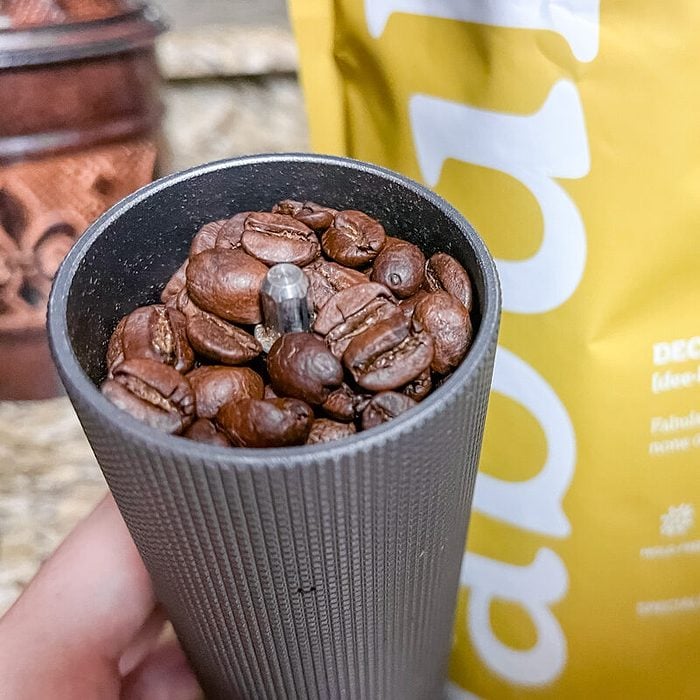
Fabula Medium Roast Decaf
Pros:
- Low-acid
- Independently tested for mold, chemicals, and other toxins
- Money-back guarantee
- Available as whole beans or grounds
Cons:
- Nearly $2.50 per ounce
“Decaf” and “delicious” don’t often go in the same sentence. But Fabula Decaf is a delicious organic option for people looking to reduce or eliminate caffeine intake.

For being decaf and low-acid, these beans make a surprisingly sweet—not sour—cup, says Taste of Home editor Amanda Capritto. “I drank a ton of decaf coffee while pregnant and I feel like it often has this very distinct taste, but I didn’t pick up on that at all with the Fabula decaf,” says Amanda. “It tasted as good as a caffeinated cup, and there’s the added benefit of it being mold-free, independently tested, low-acid, and very fresh.”
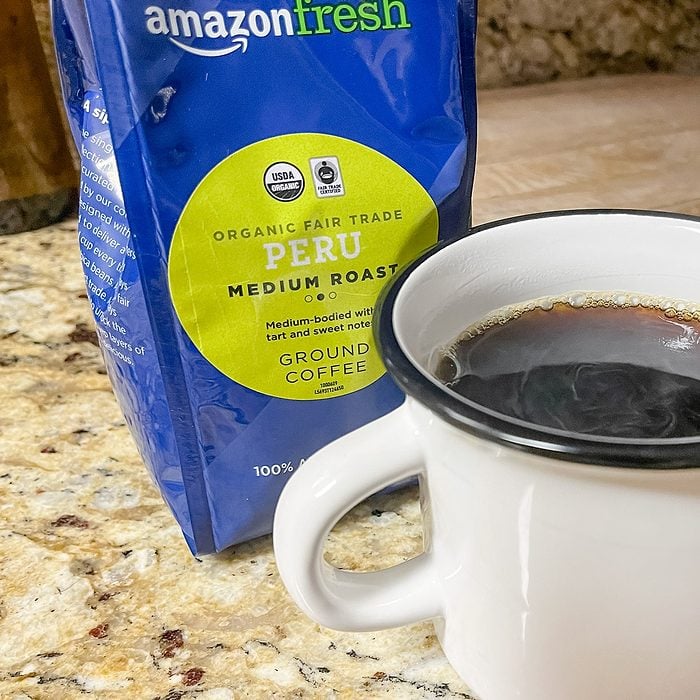
Amazon Fresh Peru Medium Roast
Pros:
- Budget-friendly at about $0.60 per ounce
- No bitterness
- Conveniently available and ships quickly
Cons:
- Not independently tested for mycotoxins
When it comes to coffee, a higher price doesn’t always guarantee better flavor. Amazon Fresh Organic Peru Medium Roast proves you can find a quality cup without spending a fortune. Tester Amanda was impressed by both its taste and value.
“I was very pleasantly surprised with this coffee from Amazon, both because it’s a generic brand and it’s very affordable (about 60 cents an ounce),” she says.

While Amanda notes that it doesn’t taste as fresh as some of the other blends she tried, she still recommends it for anyone shopping on a budget who wants to prioritize USDA-certified organic coffee. It’s an affordable pick that delivers solid quality for the price.
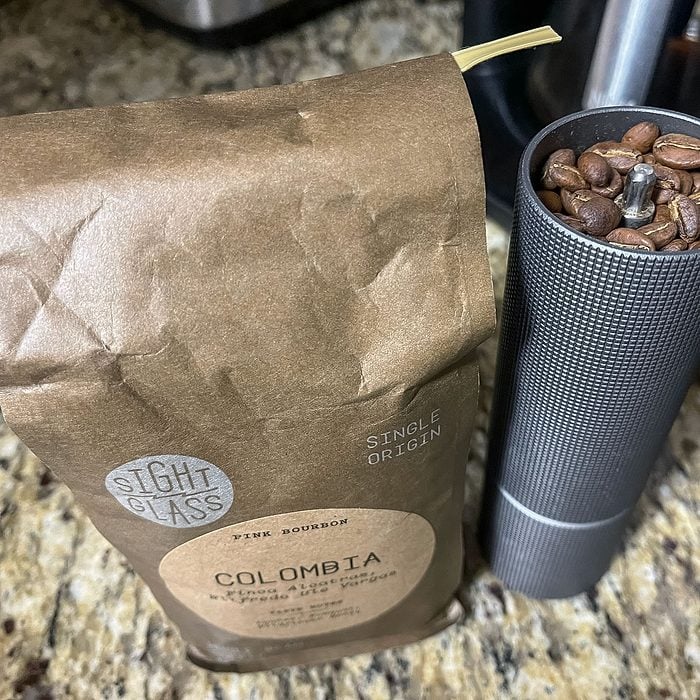
Sightglass Colombia Pink Bourbon
Pros:
- Very rich, smooth taste
- Roasted to order
- Tested for mold and other toxins
- Sightglass prioritizes farmer-friendly practices
Cons:
- Pricey, at about $2.50 per ounce
If you’re looking for single-origin, roasted-to-order, organic coffee, then look no further than Sightglass. Amanda tried the Pink Bourbon whole coffee beans from Finca Alcatraz, a highly acclaimed, family-owned and managed specialty coffee farm in the Huila region of Colombia.

“I was hooked at first sip when I tried this coffee,” she said. “I’ll admit, I’m no coffee snob, but even a complete coffee novice could glean the distinct difference between Sightglass coffee and your average grocery store bag. The taste is incredibly fresh and the notes really come through, especially of honey.”

What to Consider When Buying Organic Coffee
Taste
Cohen emphasizes that organic isn’t necessarily synonymous with quality, and says the better question may be: “When shopping for coffee, what are the most important things consumers should actually look for?”
First and foremost, then, is taste. “Consumers won’t consistently buy or drink a product that they don’t like,” Cohen says. “A coffee’s story might include a number of impressive claims or attributes, but none of them matter if the coffee doesn’t taste good. When exploring new options, I suggest looking for reputable brands and flavor notes that resonate with your personal preferences.”
Organic Certification
Then, if organic really matters to you, make sure the coffee you’re buying is actually organic. “When selecting an organic coffee, ensure there is a USDA organic label on the packaging,” says Nancy Snyder, registered dietitian. “This certifies that the coffee has been produced according to strict organic standards upheld at various stages of production, from farming and transport to roasting and packaging.”
Just remember, “An organic seal does not ensure that the coffee is high quality, as there are countless other variables that dictate the final profile of a premium coffee,” says Cohen. “It only certifies that the organic certification requirements were met.”
Sustainability Considerations
You may also want to consider additional certifications. “Since sustainability is top of mind with many consumers, especially for items we consume every day, you can also look for a Fair Trade Certified label,” Snyder advises. “This ensures producers are upholding standards that protect the environment, support sustainable livelihoods and protect safe working conditions.”
Cohen echoes this, noting that ethical considerations like child labor, appropriate working conditions, access to medical care, and housing are important. ‘Consumers should ask: ‘Did the people who grew and processed the coffee get paid appropriately?'”
Sourcing and Production
Sourcing and production matter not only in terms of ethical and environmental considerations, but also in terms of coffee taste and quality. Cohen says that attributes like species and variety (Arabica vs. Robusta, Geisha vs. Typica, etc.), growth elevation, water conservation, climate, country of origin, and whether it is a blend or single-origin are just a few details you can learn by reading the label on a bag of coffee.
“Rather than relying solely on an organic label, consumers should read roaster descriptions to truly understand sourcing practices,” Cohen emphasizes. “Specialty roasters are highly transparent about their supply chains. They often buy from smallholder farmers who practice sustainable, chemical-free, or low-chemical farming without holding an official certification. “
Roast Level
Next, you’ll want to consider the roast level. Coffees fall into three main categories—light, medium or dark roast—and each comes with a distinct flavor profile. Light roasts tend to be a bit more acidic and fruitier, whereas dark roasts are bold and bodied. Organic coffee is available in all roast levels, and we sampled several in each category.
Roast Date
Coffee roasted more recently will be fresher and higher quality, whereas flavoring notes tend to fade over time, explains Cohen. For whole bean coffee, quality might decline after about four weeks, though this can vary significantly depending on processing and storage practices. Coffee that’s been ground will start to lose peak flavor in just a few weeks.
“For coffee enthusiasts looking for the highest quality, I’d recommend holding off on grinding the coffee beans until you’re ready to use them, either day of or a few days prior,” Cohen says.
Grounds vs. Beans
Finally, keep an eye on whether you’re buying grounds or whole beans. If you’re opting for a pour-over or drip coffeemaker, pre-ground coffee is likely fine. But if you need finer grounds for espresso or coarser grounds for French press, pick up the whole beans. Keep in mind, though, that you will need a coffee grinder if you opt for whole beans. But the trade-off is typically a fresher taste.
Other Organic Coffee We Tried
We tried over a dozen bags of organic coffee. The following are runners-up that didn’t make our favorites list, but are still worth trying:
- Lavazza ¡Tierra!: Light and fresh, this is a very nice sipper. For a light roast, it’s not sour and has a mild flavor. Lavazza is consistently one of the best grocery store brands you can buy.
- Newman’s Own Breakfast Blend: One of the smoothest cups I tried, Newman’s Own makes a very easy-to-drink organic coffee. It’s a little on the stronger side for a medium roast, but it would please most coffee drinkers. Plus, 100% of the profits go to charity.
- Peet’s Dark French Roast: One of the more complex flavors in this test, Peet’s French roast was dark and smooth. It’s a little intense but very tasty.
- San Francisco Bay Rainforest Blend: Priced at just $0.65 an ounce, this massive bag from San Francisco Bay coffee is easy on the budget—especially if you drink a lot of coffee. Flavorwise, it’s a bit confusing on the tongue but still very drinkable.
- Subtle Earth: While I found this one a touch sour, it is the best low-acid option I tried.
- Whole Foods Organic French Roast: Taste of Home editor Amanda Capritto tested this bag from Whole Foods and found it to be “just okay.” She said, “It’s fine for a budget-friendly bag of organic coffee, but if you’re really on a budget, I’d just go for the Amazon Fresh organic ground coffee instead.”
- Lifeboost Highlander Grogg: Lifeboost may be one of the healthiest organic coffee brands thanks to its extensive third-party testing for mycotoxins and other impurities. Taste of Home editor Amanda Capritto tried this blend and found it to taste quite overpowering, though not objectively bad. “It was quite strong for me and not suited to my palate, but I do think it’s worth trying,” she said.
After testing, we would suggest skipping these:
- Chamberlain Coffee Early Bird Blend: I’ve been consistently underwhelmed by Chamberlain coffee. This starts OK, but the finish is incredibly bitter—especially for a light roast.
- Lifeboost Coffee Optimist: For a low-acidity coffee, this light roast is incredibly sour. It’s a strange flavor, and at over $2 an ounce, not worth the price.
- Anthony’s Instant Coffee: Instant coffee is tough to get right, and Anthony’s misses the mark. While easy to brew, the flavor is burnt and bitter. Plus, the aroma is incredibly unappealing. If you’re craving convenience, opt for Cometeer capsules instead.
- Amazon Sumatra Dark Roast: Maybe I just got an old bag, but this was almost undrinkable. It’s very dark, to the point of tasting burnt, with an awful mouthfeel and finish. The only bright spot is the $0.60 an ounce price tag.

How We Tested Organic Coffee
I spent over 20 hours testing the best organic coffee. My first step was researching top brands, reading product reviews and evaluating bestsellers on Amazon. I also chatted with Taste of Home editors to gather personal recommendations. Then, I ordered a dozen readily available organic coffees, ranging in size and price. I chose whole beans whenever possible, but many options were only available pre-ground.
To test the best organic coffee, I started by grinding the whole-bean options. I used my Baratza burr grinder and ground them all on the same grind setting. My goal was to replicate the size of the pre-ground coffee.
Then, I pulled out my trusty tea kettle and pour-over to start brewing. I used a coffee scale to ensure a ratio of 20 grams of coffee grounds to 300 grams of water. Working in batches, I tested all the light roasts, then medium and finally dark. I implemented a quick-fire comparison taste test, eliminating any brews that were overly bitter or stale.
The remaining coffees moved forward for additional testing, and I swapped them for my typical morning beans. I tried additional pour-overs and utilized a drip machine and espresso maker. I also sampled many of the beans over ice. After multiple taste tests, I landed on five bags deserving of “the best organic coffee” title.

Additional Testing
To keep our list of the best organic coffees up to date, Taste of Home editor Amanda Capritto tested additional brands, evaluating each for flavor, freshness, value and overall drinking experience. Whether you’re looking to cut back on caffeine, save money or splurge on a premium single-origin roast, these products earned a spot in our top picks.
Amanda named Fabula Medium Roast Decaf our Best Decaf pick for its rich, balanced flavor that rivals traditional coffee. Despite being decaf and low-acid, it brews a surprisingly sweet cup without the distinct taste often associated with decaffeinated coffee. She also appreciated that it’s USDA-certified organic, mold-free, independently tested and exceptionally fresh.
For shoppers looking to stretch their coffee budget, Amazon Fresh Organic Peru Medium Roast earned our Best Budget spot. Amanda was impressed by its flavor and value, noting that it delivers a satisfying organic cup at a fraction of the cost of many competitors.
Rounding out the new additions is Sightglass Colombia Pink Bourbon, our pick for Best Single-Origin. Amanda says its roasted-to-order freshness and vibrant tasting notes set it apart from everyday grocery store coffee, making it a worthwhile splurge for anyone who wants to experience the depth and complexity of a premium single-origin roast.
FAQ
Is organic coffee better for you?
From a nutrition standpoint, not necessarily. But organic coffee is grown without potentially harmful chemicals, like pesticides and fungicides. That said, the organic label doesn’t apply to how the coffee is roasted, so it could potentially be exposed to those substances during the manufacturing process.
Does organic coffee have caffeine?
It depends on the type of organic coffee you choose, but the title “organic” doesn’t have anything to do with the caffeine content. Decaf organic coffee, for instance, won’t have caffeine (or will have a minimal amount). Regular organic coffee, however, will still have caffeine, just like non-organic coffee.
What is the difference between coffee and organic coffee?
Organic coffee is grown without synthetic pesticides, herbicides or fertilizers. It’s typically shade-grown and certified by organizations that ensure sustainable farming practices, while regular coffee may be produced using chemicals to boost yield.
What is the healthiest coffee to buy?
The healthiest coffee is organic, single-origin and free from additives. Look for beans that are freshly roasted and certified organic or fair trade to minimize exposure to chemicals and support ethical farming.
What is the cleanest type of coffee?
The cleanest coffee is one that’s organic, mold- and mycotoxin-free, and tested for purity. Many brands advertise “clean” beans, but look for certifications and transparent sourcing to ensure quality from farm to cup.
Why You Should Trust Us
As Senior Shopping Editor, I’ve spent six years recommending the best kitchen gear, gifts and food items to Taste of Home readers. I’ve tested hundreds of products to ensure all our picks live up to the hype. For this article, I tapped into a personal passion: coffee. In recent years, my husband and I have spent many weekends experimenting with newfangled coffee gear and tasting the best brews on the market. I’ve previously reviewed the best coffee subscriptions (including stalwarts like Trade Coffee).
Plus, this love for coffee doesn’t stop with me. Taste of Home shopping editors are no strangers to testing and reviewing coffee beans, gear and gadgets. Over the years, our Test Kitchen pros have evaluated the best drip coffeemakers and cold brew brands. In our home kitchens, our crew has assessed everything from Keurigs to flavored coffees. Our goal is to make your mornings tasty—and caffeinated!
Taste of Home writer Amanda Tarlton also contributed to this article.

