![The Best Organic Coffee [Tested and Reviewed]](/wp-content/uploads/2024/08/TOHA24_The-Best-Organic-Coffee_Katie-Bandurskit_06_FT_STedit.jpg?resize=72,72)


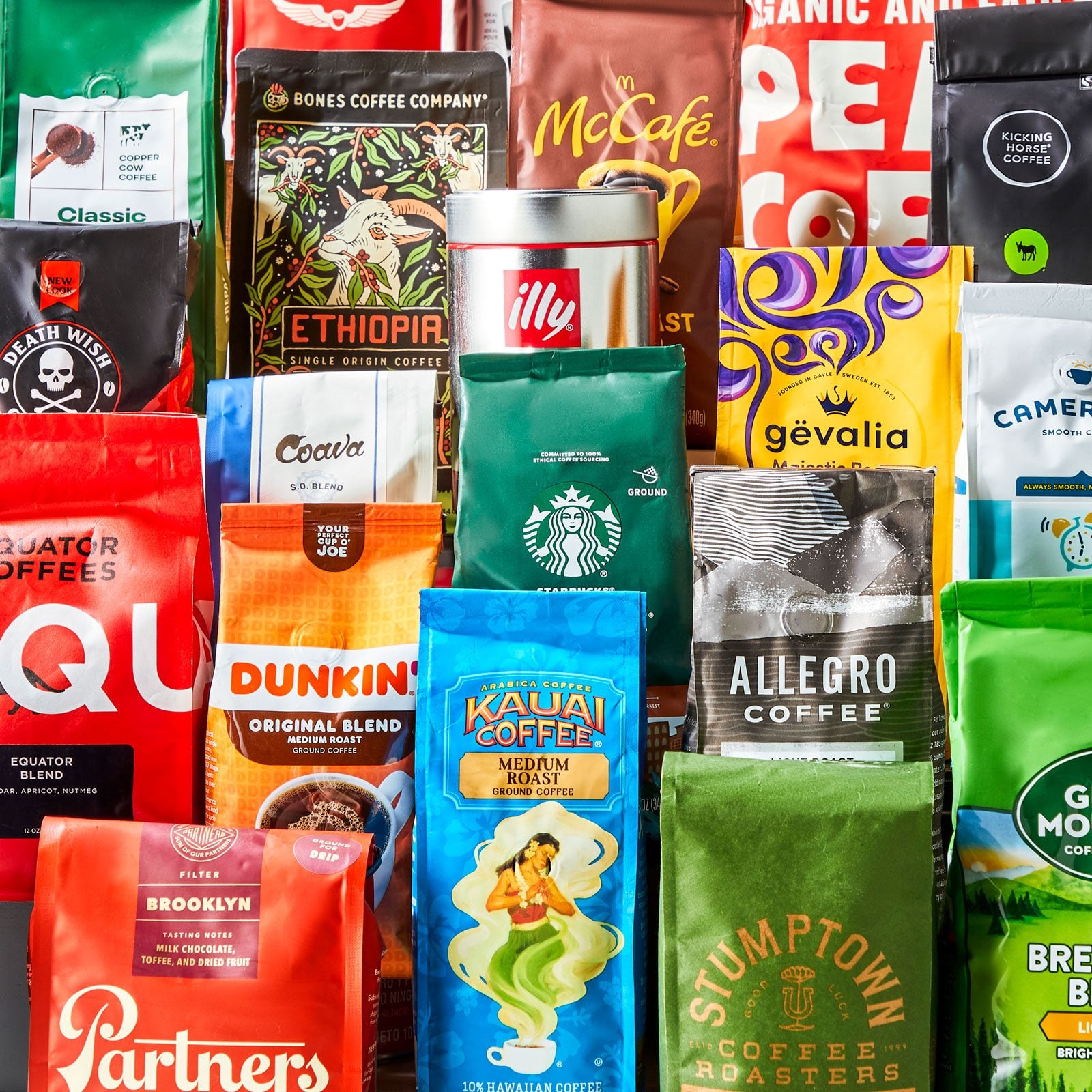
Brewing a pot at home? We tasted 30 different types to find the best coffee brands.
Our editors and experts handpick every product we feature. We may earn a commission from your purchases.
Learn more.
If you need a jolt of caffeine in the morning, you know how important it is to have the best coffee brewing—whether it’s in a standard drip coffee maker, percolator or French press. But if you don’t want to sift through hills of beans or visit every local coffee shop, you might not know what the best coffee is for your tastes.
According to Editorial Coordinator and former barista, Sydney Manning, look for a roast date vs. a “best buy” date when shopping for beans or grounds. “You should also note flavor notes and levels (dark, medium, light) of the roast and see where the beans come from. Look into the types of beans from that area (Puerto Rican, Columbian, etc.) and how they compare,” she concludes.
That said, not everyone has the time (or cash) to experiment. Our Test Kitchen tried a whopping 30 options to find the best coffee brands. Each coffee was prepped using the same countertop coffee maker in order to keep the brews on a level playing field. The beans they brewed ranged from everyday grocery store picks to smaller brands with devoted followings to award-winning roasters. Our team also tried all kinds of roasts, ranging from light to the darkest dark. Here are our top seven picks.
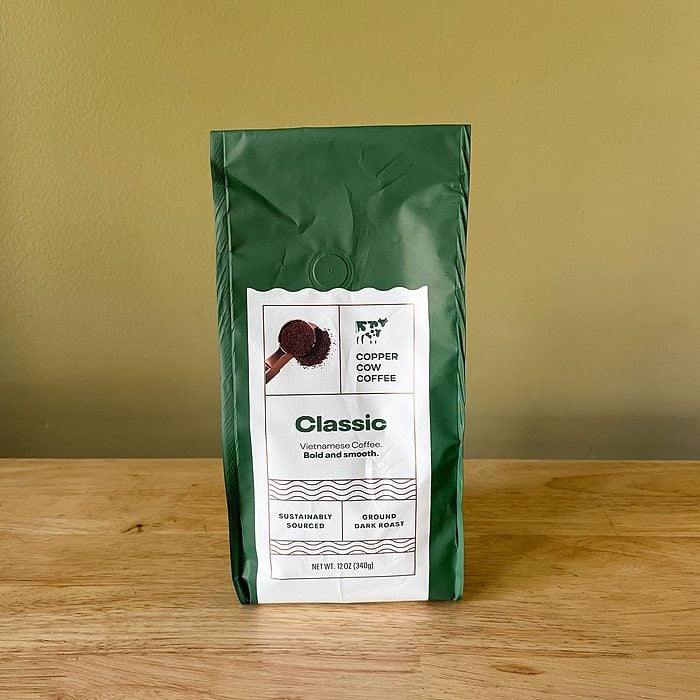
Copper Cow Classic
Pros:
- Incredibly smooth and balanced
- Caramel, chocolate and nutty flavor notes (yum!)
- 100% Vietnamese origin coffee
- Universal grind suitable for a variety of brew methods
Cons:
- One of the lighter dark roasts we tried; may not be suitable for bold coffee lovers
- Not available in whole bean
While Copper Cow is well known for single-serve pour-over coffee, our team would argue that Copper Cow Classic beans deserve just as much hype.
This Vietnamese coffee stands out from other dark roasts. Yes, it has that same depth of flavor and full-bodied richness, but it’s not overly heavy or acidic.
Josh Rink, a Taste of Home Test Kitchen pro and former barista, describes a cup of Copper Cow’s classic brew as “soft and mild with dark chocolate notes and plenty of oomph.” Other testers picked up notes of caramel and nuts—all flavors that work so well together.
This wonderful combination makes Copper Cow our top rated coffee pick for dark roasts. The smooth, harmonic flavors make it a brew you’ll come back for cup after cup.
Editor’s note: We tested a previous bag design (green), but the coffee inside is still the same!
Roast: Dark | Source: Vietnamese robusta beans
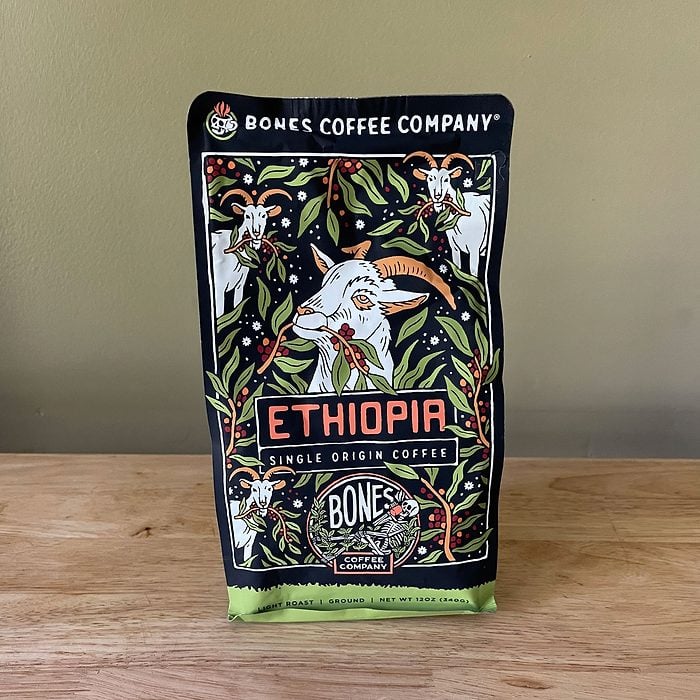
Bones Coffee Company Ethiopia Single-Origin Coffee
Pros:
- Unique flavor with notes of florals and fruits
- Available ground or whole bean
- 100% Arabica beans
- Fun packaging
Cons:
- One of the pricier options on our list
While you may be used to reaching for a dark roast when craving a caffeine kick, light roasts tend to have more caffeine per serving. If you’re looking for that kick—or just a coffee that’s a bit brighter than a traditional dark blend, try Bones Coffee Company Ethiopia Single-Origin Coffee.
Before you even take a sip, you’ll notice its lively and unique aroma. You’ll pick up some tart, citrusy notes as it brews. And once you sip, the flavors keep unfolding. Mark Neufang, Test Kitchen pro and coffee fanatic, says, “You’ll get some floral, fruity notes at first sip—and even a little cardamom.”
As you enjoy, this brew keeps revealing new facets of itself, making it an interesting and satisfying cup—all with plenty of caffeine to fuel your morning.
Roast: Light | Source: Ethiopian arabica beans
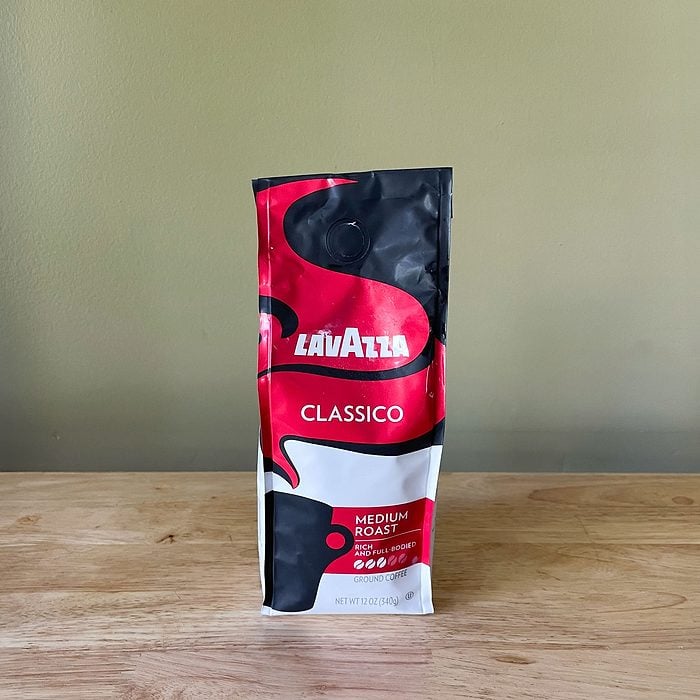
Lavazza Classico
Pros:
- Even flavor and medium roast body
- Tastes as good on the first sip as the last
- Crowdpleaser
- Budget-friendly
Cons:
- Whole bean available, but more expensive
Can’t decide between a light roast and a dark roast? Split the difference with a great medium roast. Lavazza Classico is our Test Kitchen’s favorite medium roast coffee.
Lavazza is one of our best coffee picks because it’s, as Josh puts it, “tasty from the very first sip.”
This medium roast “has very even levels of flavor, bitterness and acidity,” explains Josh. That balance is thanks to a carefully roasted blend of arabica and robusta coffee beans. The result is a cup that has a medium body with notes of dried fruits and even nuts.
Accented with a splash of cream or a bit of sweetener, this is one brew that you can count on everyone enjoying at the office or alongside a slice of cake after dinner.
Roast: Medium | Source: Arabica and robusta blend from South America and Africa
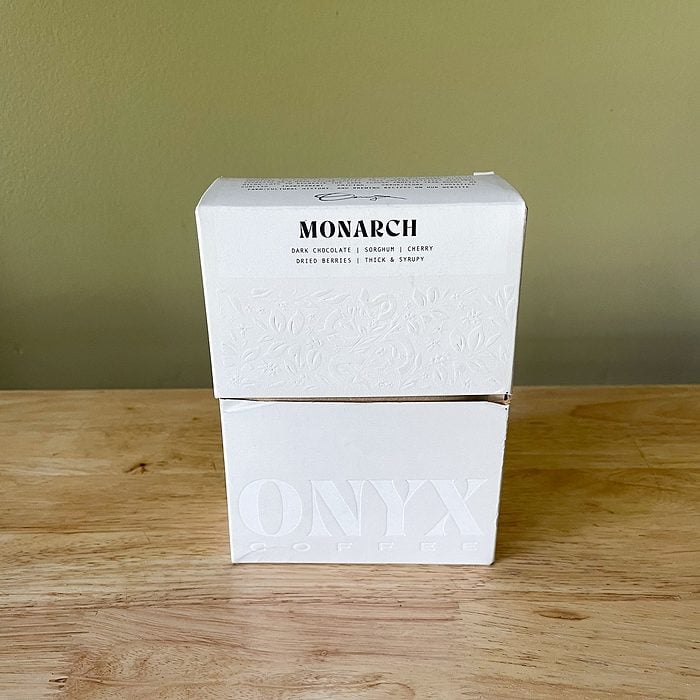
Onyx Coffee Lab Monarch Blend
Pros:
- Complex flavor with notes of berries
- Perfect for espresso lovers
- Beautiful packaging
Cons:
- Most expensive option on our list
- Small 10-ounce box
First, did you know that coffee and espresso come from the same beans? They do! The key difference here is that espresso beans are roasted differently (they’re typically a very dark roast), and those beans are prepped with an espresso machine versus other types of coffee makers.
However, if you want that espresso flavor without investing in an espresso machine—or you just like a wonderfully deep roast, our team highly recommends Onyx Coffee Lab Monarch Blend. Onyx Coffee Lab is an award-winning cafe and roastery; it’s also one of our favorite coffee shops in the U.S.
“The flavor is intriguingly complex with faint flavors of berries—blueberries, raspberries and maybe even blackberries!” says Mark. And Mark is exactly right. Onyx Coffee Lab designed this dark roast to be deep with notes of dark berries and chocolate.
You’ll find, like our pros, that this best coffee pick is tasty on its own, but it’s also wonderful when enjoyed with a splash of milk. For the most espresso-like experience, try brewing this blend in a Moka pot.
Roast: Medium Dark | Source: Colombian & Ethiopian Arabica beans
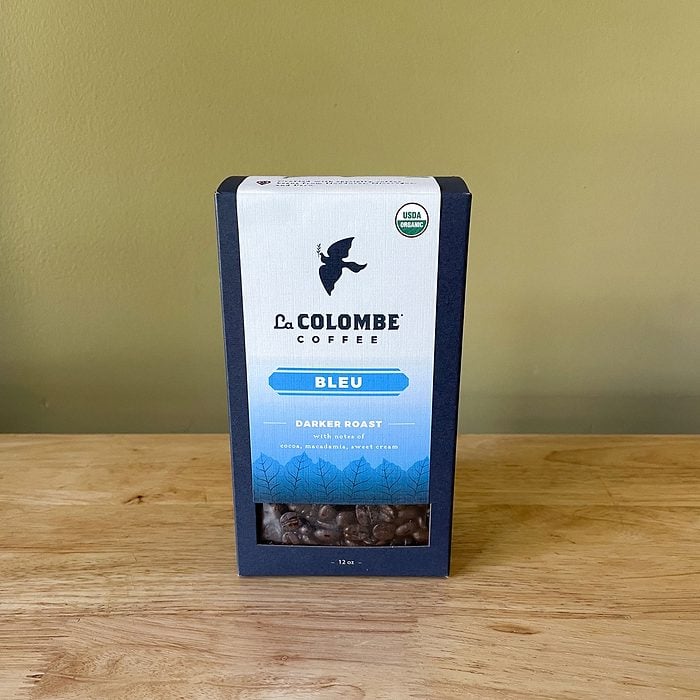
La Colombe Coffee Bleu
Pros:
- Full body with creamy, chocolate notes
- Delicious aroma
- USDA-certified organic
Cons:
- A bit on the bitter side
If you like to eat organic, odds are you want to sip organic too. While a few organic coffee brands ranked well in this test, our team wanted to put La Colombe Coffee Bleu blend on your radar as well.
This dark roast consists of a blend of beans from Honduras, Nicaragua and Peru. The result is a full-bodied cup that has “a bit of an edge at first sip,” per Josh, but flavors that mellow out as you enjoy. After a few tastes, you’ll pick up creamy and chocolaty notes.
Now, this brew may be too punchy for fans of lighter roasts, but if you’re looking for organic coffee with a bold, dark roast, this is the bag to buy.
Roast: Dark | Source: Honduras, Nicaragua and Peru
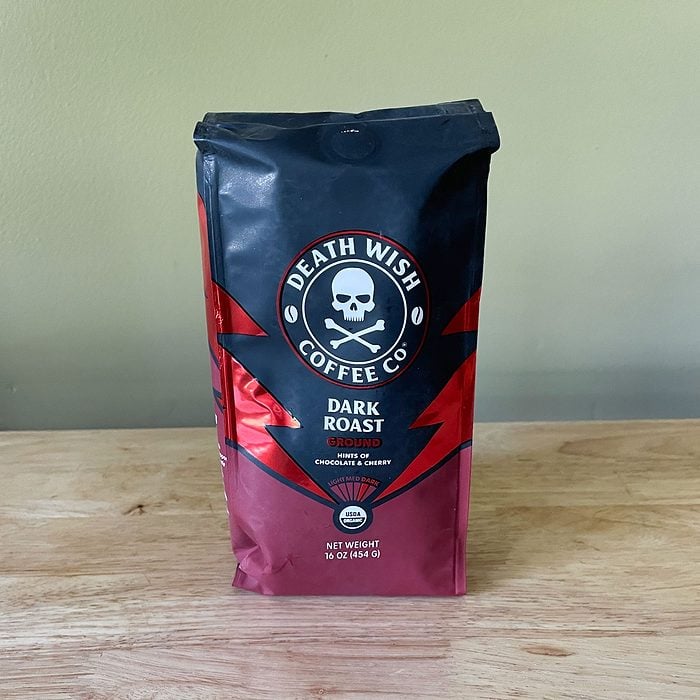
Death Wish Coffee Dark Roast
Pros:
- Dark, bold flavor that really wakes you up!
- Good balance of acidity and bitterness
- USDA-certified organic
Cons:
- May be too strong for those sensitive to caffeine
For folks who want a powerful caffeine kick and great flavor, our pros recommend Death Wish Coffee Dark Roast.
The brand’s slogan is “fiercely caffeinated,” which is certainly the case. While most 8-ounce servings of coffee contain about 165 milligrams of caffeine, it’s estimated that the same amount of Death Wish’s dark roast boasts more than 450 milligrams. Talk about a pick-me-up!
Rest assured, though, that Death Wish is not sacrificing flavor for fuel. “It has a nice, full-bodied flavor,” says Mark. Our tasters picked up notes of cocoa and cherry in this organic blend—all without the harsh acidity that some darker roasts tend to have.
The only hiccup with this brand is that the rich flavor and toasty aroma will have you craving more than one cup—but you’ll find you’ve likely hit your java limit after the first.
Roast: Dark | Source: Arabica and robusta beans
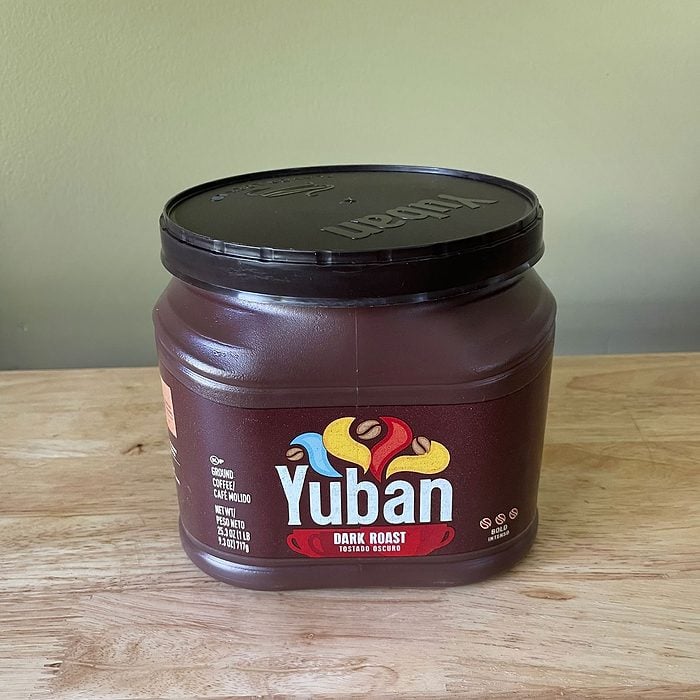
Yuban Dark Roast
Pros:
- Complex, spicy flavor with notes of nutmeg, cocoa and clove
- Incredible value
- Great for big families
Cons:
- Large canister takes up a lot of space
We know that not everyone wants to shell out nearly $20 for a pound of coffee, and that’s OK! If you brew frequently or just want to save a little grocery money, our team agrees that Yuban Dark Roast is a pretty delicious, budget-friendly option.
How good a deal is this coffee brand? A 25.3-ounce canister of Yuban’s dark roast costs about $15. That’s a great value.
But Yuban isn’t just a wallet-friendly coffee. It’s also a delicious and interesting roast, according to Josh. He explains that this coffee is full of warm notes of nutmeg, cocoa and clove—a combination that’s just right for a hot cup, especially on a cool morning.
Roast: Medium| Source: Undefined blend

Others We Tested
- Allegro: We found this light roast overwhelmingly bitter and acidic. While it had a full-bodied flavor, the harsh finish made it difficult to enjoy without cream and sugar.
- Cafe Bustelo: Compared to other dark roasts we tested, Cafe Bustelo leaned too acidic and bitter for our tastes. It lacked the smoother, richer balance we preferred from stronger blends.
- Equator: Although this coffee started off mild, the bitterness quickly took over. We felt it needed sugar or creamer to balance out the sharp finish.
- Gevalia: This dark roast delivered an intense combination of bitterness, tanginess and acidity. While bold coffee drinkers may appreciate that profile, we found it a bit too aggressive overall.
- Green Mountain: We noticed a very tangy, tart flavor that overpowered the rest of the cup. Despite the inviting aroma, the coffee lacked the richness and depth we were hoping for.
- Illy: Our testers found this brew unbalanced, with bitterness dominating from start to finish. One reviewer also felt the coffee tasted watered down despite the sharp acidity.
- Kauai: While there were a few pleasant floral notes, we found the overall flavor too light and fleeting. It lacked the boldness and richness we expect from a medium roast.
- Partners: This medium roast came across as overly tangy and acidic, with a lingering bitter aftertaste. We also felt the aroma promised more complexity than the flavor actually delivered.
- Verve: We found Verve a little too acidic and one-dimensional compared to other medium roasts in the test. The cup lacked the richness and standout flavor notes we typically look for.
How We Found the Best Coffee Companies
Here at Taste of Home, we’re passionate about good coffee and good coffee brands. We’ve spent countless hours identifying the best products on the market through thorough research and firsthand testing. Recently, our team has ranked the best coffee subscriptions, eased stress with the best mushroom coffees and brewed cup after cup to find the best Keurig machines.
To find the best coffee brands, we first spent hours researching. We explored grocery stores and online reviews to find top-tier brands at a variety of price points. Most options are famous coffee brands available at the grocery store, but some are from popular small-batch roasters. Next, we polled our team to ensure we weren’t missing any editor favorites. Then, once we settled on our top 30, we called in bags, tins and canisters of coffee. Our picks include seven light roasts, 13 medium roasts and 10 dark roasts.
Once our coffee army was assembled, it was time to test! For consistency’s sake, we kept things simple by brewing in a plain ol’ countertop coffee maker. We gathered a crew of Test Kitchen pros to assess key data points, like flavor, bitterness and acidity. Judges gave each brand a score out of 100 and an overall ranking. We assessed our favorites according to categories, like roast level and price point. Only the top seven picks earned the badge of Test Kitchen Preferred.
What To Look for When Buying Coffee
- Whole bean vs. ground: Most of the coffees we tested are available as grounds or whole beans. When you have a choice, we recommend opting for the latter. Why? “Coffee enthusiasts are very passionate about buying the best whole bean coffee and either grinding it up themselves or bringing it to a local coffee shop to grind it up for you,” says Editorial Coordinator and former barista, Sydney Manning. “This helps to preserve the freshness of the coffee bean.”
- Freshness: Speaking of freshness, there are two key dates to look for on a bag of coffee: a roasted date and a best buy date. “Surprisingly, these are two different things!” says Sydney. “The roasted date lets you know how fresh the coffee is and when it was actually roasted.” A best buy date provides guidance on how good the coffee will last, but it’s not a guarantee you’ll get a fresh cup.
- Roast level: Do you prefer beans that are light and fruity? Or dark and chocolaty? Consider your personal roast preference before ordering.
- Aroma: Before the coffee even reaches your mug, it should have an irresistible smell. Good coffee should never smell stale or acrid. Instead, it should smell appealing and robust.
- Flavor: In this test, our team sampled a wide variety of roasts, which means the coffees had a wide variety of flavors. No matter the roast, though, the best coffee options should be strong and pleasant. Some may be smooth, others bright, but they should taste fresh and of freshly roasted beans.
2026 Industry Trends
Curious about what’s brewing in the coffee world? We talked to a trio of experts who gave us the scoop on the latest industry trends:
Alternative Processing Methods
Did you know that coffee is a fruit? And those beans are actually seeds, explains Heather Perry, CEO of Klatch Coffee, who is also a two-time US barista champion. “When harvested, they’re covered in skin and pulp, which must be removed before the beans can be roasted, [which is] called processing.” She notes that historically, the two most popular processing methods have been washed and natural, but there is growing interest in alternative methods that yield unique flavor profiles. “The way a coffee is processed can have significant impacts on flavor, aroma and mouthfeel,” says Heather.
One such alternative processing method is anaerobic fermentation. The coffee is placed in sealed tanks devoid of oxygen, which can create intense, almost “wine-like” flavors, explains Heather. “Note that no additional ingredients are added—what you’re tasting in your cup are flavors developed during coffee processing, roasting and extraction,” she says. Another method is co-fermentation, which adds other ingredients, such as fruit, to create intriguing flavor profiles. “We’ve recently seen coffees co-fermented with pineapple and watermelon, for example,” she adds.
Smoother, More Balanced Blends
Coffee can be intense even for those who love it, but there is a shift “toward smoother, more approachable cups,” according to Shelley Tseng, SCA-certified barista and founder of Wild Infusion Coffee. “Many drinkers are less interested in highly acidic or bitter coffees and more drawn to balanced, rounder flavor profiles they can enjoy throughout the day,” she explains. And if you enjoy multiple cups a day, you’re in luck. Shelley says, “We’re also seeing more demand for ‘softer’ coffee experiences, something people can come back to in the afternoon or during work breaks, without the heaviness or intensity of a typical cup.” Especially for those who enjoy their coffee at home, there’s a shift from “complexity to drinkability,” she adds.
Continued Cold Brew Popularity
There’s good news if you like your coffee cold: “We’re likely to see more cold brew-specific blends appearing on our shelves for getting the smoothest, chocolaty-est cold brew concentrate at home, ready for summer,” says Matt Woodburn-Simmonds, co-founder of Home Coffee Expert.
Specialty and Functional Coffee
Want your cup to be more than just a pick-me-up? You’re not alone, says Shelley, who notes a growing interest in botanical and mushroom coffees—but only if they actually taste like real coffee. “Taste and drinkability are still the deciding factors,” she explains.
Awareness of Ethically Grown Coffee
Expect to see more sustainability labels on coffee packages as consumers learn more about working conditions on coffee farms. “People want direct relationships with farmers and transparent supply chains,” says Matt. “It should be getting easier and easier to find beans that are grown the right way.”
Price Fluctuations
Central America’s crops have been negatively impacted by climate change, so you may see more blends from Brazil and other South American coffee brands, according to Matt. And although bumper crops in Brazil could offset the price increase for green coffee, he says it all depends on the price of oil for shipping coffee and other imports. We won’t get embroiled in world politics here, but could they affect the price of your coffee? They sure can.

FAQ
What brand is the best coffee?
The best coffee brand depends on taste and roast preference, but Stumptown, Intelligentsia and Blue Bottle are consistently praised for their fresh and high quality coffee.
What is the number one coffee in the U.S.?
Starbucks is still the most popular coffee brand in the U.S., though specialty roasters like Peet’s and Lavazza are growing favorites among coffee enthusiasts.
What are the top 5 popular coffees?
The top five popular coffee brands include Starbucks, Dunkin’, Peet’s Coffee, Lavazza and Nespresso for their wide availability and consistent quality.
What is the top-rated coffee in the world?
Many consider Kona Coffee from Hawaii or Blue Mountain Coffee from Jamaica the world’s best for their smooth, rich flavor and limited production.
Why You Should Trust Us
For this particular test, a trio of Test Kitchen members sampled 30 of the best tasting coffees:
- Sarah Farmer, Executive Culinary Director
- Josh Rink, Culinary Producer
- Mark Neufang, Culinary Assistant.
Together, these pros have decades of experience developing recipes, styling food and working in professional kitchens. Josh, specifically, has experience working as a former barista and Mark is a self-proclaimed coffee enthusiast.
We also consulted the following coffee experts for their knowledge of current coffee trends: Heather Perry, CEO of Klatch Coffee, as well as a two-time US barista champion and former President of the Specialty Coffee Association; Shelley Tseng, a SCA-certified barista and founder of Wild Infusion Coffee; and Matt Woodburn-Simmond, the co-founder of Home Coffee Expert, where he and his wife, Katie, test equipment and share knowledge to help people make better coffee at home.
Taste of Home writer Barbara Bellesi Zito contributed additional reporting to this story.