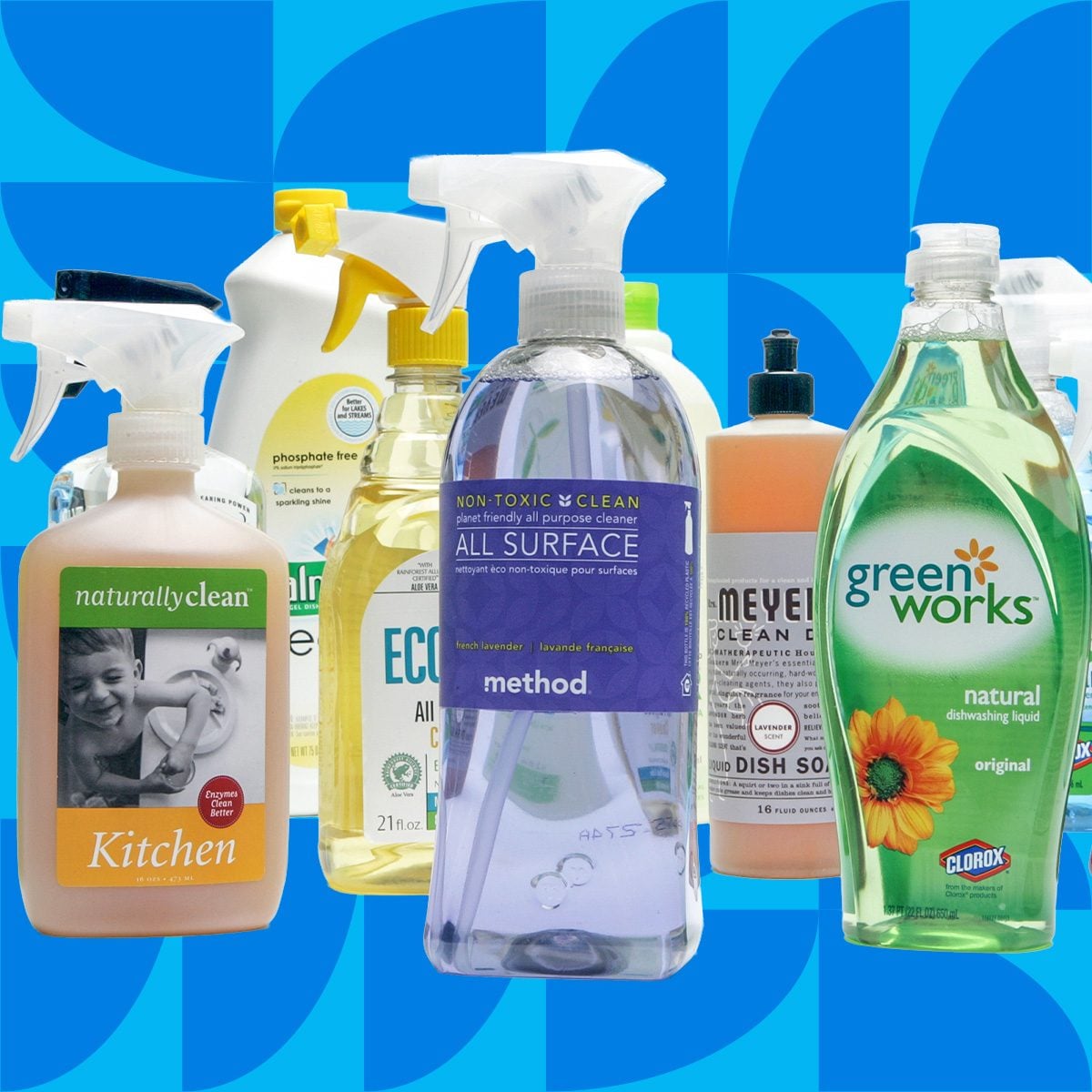
Learn how much spray cleaner to use and the difference between cleaning, sanitizing and disinfecting.
Of all the rooms in my house, I think I feel the best when my kitchen is clean. Sure, the laundry piling up in my bedroom and the dog hair all over my living room is stressful too, but I use my kitchen every single day, multiple times a day. I’m constantly baking loaves of bread, whipping up quick lunches and experimenting with fun new seasoning blends.
In fact, when I feel overwhelmed with housework, it’s probably because my kitchen is a mess. And I truly enjoy watching social media videos of people deep cleaning their kitchens. But I’m always puzzled about the amount of cleaners people use in these videos. It makes me feel as if maybe my kitchen isn’t as clean as it’s supposed to be. I get worried about cross-contamination a lot too, and I want to make sure that I’m not accidentally doing something wrong when cleaning.
So, I decided to dig a little deeper into how much cleaning spray you should actually be using in your kitchen. I also investigated the difference between cleaning and sanitizing—and which one you should do first. Hopefully this can give you peace of mind on your next cleaning spree!
How much cleaning spray am I supposed to use?
While it may feel satisfying to totally drench your counters, that’s actually overkill. You should be lightly misting your surfaces, spraying cleaner every 6 to 12 inches. It’s not necessary to cover every single inch with cleaning spray—but you can concentrate spray where there are noticeable stains or spots.
One of the most helpful things you can remember to do is wipe any dust, crumbs or loose debris off your surfaces before you spray it with cleaner. This will help your cleaning spray tackle the dirt and grime on your counters as opposed to anything sitting on the surface. It’s also a good way to make sure you’re not wasting cleaning spray so every bottle lasts as long as possible.
Should I sanitize my counters?
Cleaning and sanitizing are different processes. According to the EPA, cleaning is a physical process and sanitizing is a chemical one. When you clean, you are using soap or detergent to get rid of actual particles of dirt and soil. Sanitizing uses chemicals to kill any microscopic bacteria that may be lingering after you clean. Disinfecting is another step, which uses chemicals to kill bacteria as well as viruses.
The order of operations is important here too. First you should clean, then you should sanitize and/or disinfect. And a lot of cleaners or sanitizers have instructions on how to use them too. Some need to sit before they can be wiped off, and some may need to be rinsed. Always read the instructions on the bottle to make sure you’re using the cleaning product properly.
What happens if I use too much cleaner?
Honestly, I can hear my mother’s voice answering this question for me: “Well, don’t use that much next time!” While that is helpful for the future, it’s not a solution for right now. If you use too much cleaner, rinse the surface with water and wipe it down with a damp cloth. This will remove excess product and avoid buildup.
Some cleaning products can affect the integrity of your countertops if you use too much. They can sometimes degrade the sealant, which can cause yellowing or peeling over time. And too much cleaner can also leave your counters sticky, which is not ideal either.
So, not only is it budget-friendly to use just as much cleaner as you need, but it also helps protect your kitchen surfaces over time.
Key Takeaways
- Always read the instructions on the bottle of the cleaning spray.
- Remove loose dirt and debris before using cleaning spray.
- Clean before sanitizing and disinfecting.
- Avoid using more cleaning spray than necessary.