


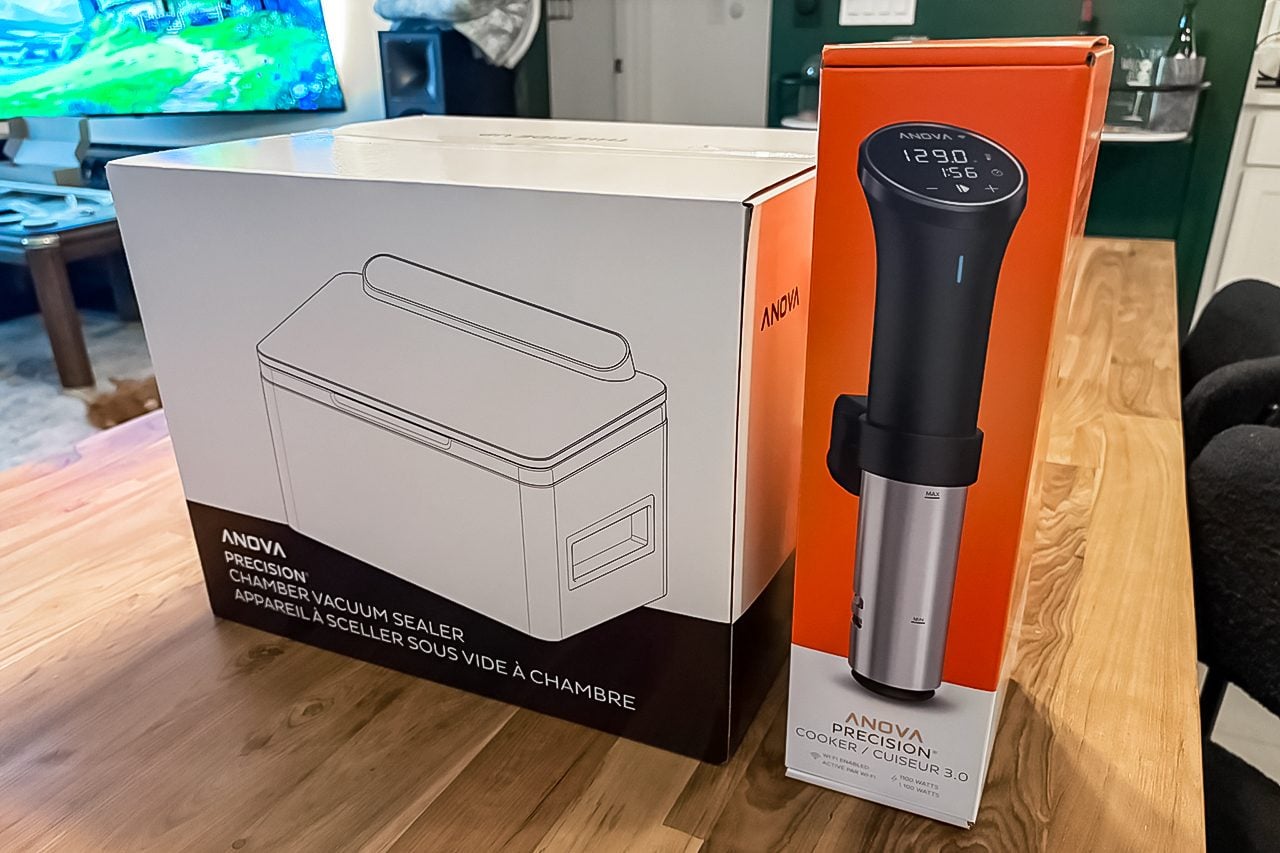
After more than a month of cooking steaks, chicken, potatoes and a 24-hour chuck roast, the near-silent Anova Precision Cooker 3.0 earned a permanent place in my kitchen.
Our editors and experts handpick every product we feature. We may earn a commission from your purchases.
Learn more.
I’ve been cooking sous vide once or twice a week for years, mostly preparing steaks, chicken and pork. My husband and I are enthusiastic home cooks, and we’re always willing to put in a little extra work if it produces a noticeably better meal.
That’s what originally drew me to sous vide cooking. Instead of trying to judge a steak’s internal temperature by timing, touch or repeated thermometer checks, an immersion circulator holds the water at a precise temperature and slowly brings the food to that same level of doneness. It is one of the most reliable ways I’ve found to prepare meat exactly how I want it.
I’ve had my old sous vide cooker for roughly five years, but it was beginning to show its age. The temperature regulation was not always as steady as I would’ve liked, and the motor had developed an irritating buzzing noise. It still worked, but I didn’t love having it running in the kitchen for hours at a time.
I tested the Anova Precision Cooker 3.0 for more than a month to see whether the newer version offered a meaningful upgrade. I also paired it with the Anova Precision Chamber Vacuum Sealer, which Anova designed to simplify sealing, marinating, infusing and quick-pickling.
After using both products several times a week, I found that the cooker was noticeably faster, quieter and more consistent than my old machine. The chamber sealer complemented it well, although it is more of a luxury for serious cooking enthusiasts than an essential sous vide accessory.
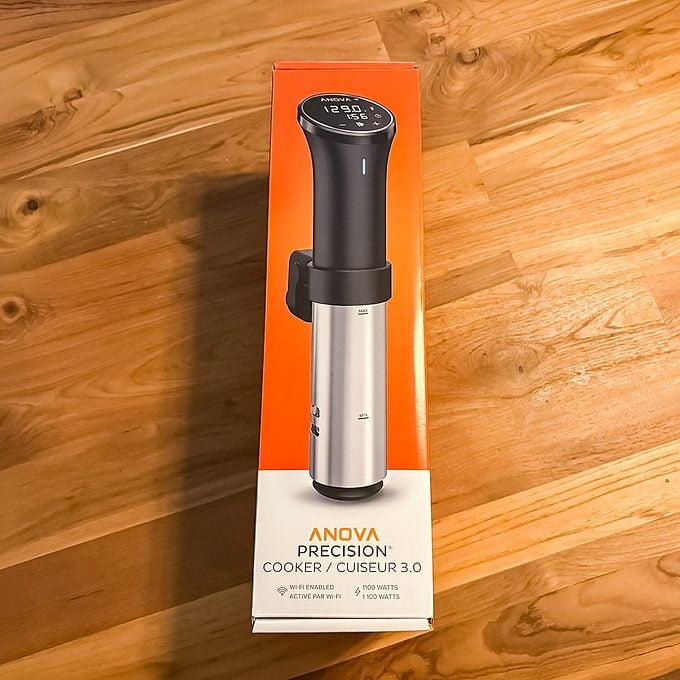
Anova Precision Cooker 3.0
What Is the Anova Precision Cooker 3.0?
The Anova Precision Cooker 3.0 is an immersion circulator used for sous vide cooking. It attaches to the side of a pot or dedicated sous vide container, heats the water to a selected temperature and continuously circulates that water around sealed food.
Instead of exposing food to a much hotter pan, grill or oven, sous vide cooking gradually brings it to a precise internal temperature. Once the food has finished cooking in the water bath, it can be quickly seared, grilled or broiled to add color and texture.
The Precision Cooker 3.0 has 1,100 watts of power, an 8-liter-per-minute flow rate and a stated temperature accuracy of within 0.2 degrees Fahrenheit. It also features an adjustable clamp, a two-line touchscreen, dual-band Wi-Fi connectivity and a removable stainless steel skirt for cleaning.
My first impression was that the cooker felt sturdy and more premium than I expected for a relatively simple appliance. There’s not much to assemble or figure out. I filled my sous vide container with water, secured the clamp to its side and set a temperature and cooking time.
The entire setup took only a few minutes, with most of that time spent filling the container.
The touchscreen is also uncomplicated. Temperature and time are the two main settings, and both can be controlled directly from the cooker. I downloaded and connected the Anova app without any Wi-Fi, Bluetooth or firmware issues, but I rarely needed it during testing.
The free version of the app lets you control the temperature and time remotely. Anova has additional recipes, cooking guides and cook-history features behind a subscription that currently costs $1.99 per month or $9.99 per year. I didn’t find enough value in those extras to justify another subscription, particularly because the cooker is so easy to operate manually.
How I Tested It

I’ve been testing the Precision Cooker 3.0 for just over a month, using it two to three times per week. My favorite cooks so far have been ribeye steaks, chicken breasts, fondant potatoes and a chuck roast that cooked for more than 24 hours. Super delicious!
For most tests, I filled a covered sous vide container with around eight quarts of room-temperature water. I tested temperatures around 130 degrees for steaks and 150 degrees for chicken. I also checked the water with a separate thermometer to verify the cooker’s temperature readings.
Every bag used in the water bath was sealed with the Anova Precision Chamber Vacuum Sealer. This let me evaluate both the cooker’s performance and how well the two appliances worked together.
Setup and Heating Performance
The Precision Cooker 3.0 was ready to use almost immediately after I took it out of the box. The adjustable clamp gripped my plastic sous vide container securely, but it could also attach to a sufficiently deep stockpot or another similarly sized pot.
Its heating speed was one of the first improvements I noticed. The cooker brought around eight quarts of room-temperature water to my target temperature in less than 20 minutes. That was considerably quicker than my older machine.
The temperature readings also matched my separate thermometer. Once the water reached the selected temperature, the cooker kept it rock steady, which is pretty impressive. My old machine had some noticeable fluctuations and a lot of noise to go with it.
The timer doesn’t start counting down until the water reaches the set temperature, which is a small but important convenience. I didn’t have to account for the heating period when setting the cooking time.
The only control issue I came across was setting longer cooking times. The touchscreen feels a little jumpy when I tried to increase the timer. It would sometimes move too slowly and then suddenly advance faster than I wanted. I was always able to set it correctly, but the process required a little patience.
Ribeye Steak

Steak is the food I cook sous vide most often, and it’s still the best argument I can make for owning an immersion circulator.
I cooked ribeye steaks at around 130 degrees for medium-rare doneness. The water circulated visibly around the container, and the cooker maintained an even temperature even when I added multiple sealed bags.
After removing the steaks, I dried them thoroughly and seared them in a ripping-hot cast-iron skillet. The result was an evenly cooked pink interior from edge to edge, along with a browned exterior and properly rendered fat.
A steak can certainly be cooked well in a pan or on a grill, but those methods demand more attention. Sous vide takes most of the guesswork out of achieving the exact doneness you want. The added cooking time was completely worthwhile for the consistency and tenderness I achieved.
Chicken Breast

I cooked chicken breasts at 150 degrees, and the moisture level was difficult to match with conventional stovetop or oven cooking. The meat was exceptionally tender and evenly cooked throughout (not an easy thing when cooking chicken breast).
Sous vide chicken can initially feel a little softer than chicken prepared normally. The texture can seem almost as though it needs a little more cooking, even when it has reached the intended temperature.
A quick sear solves that issue for me. It gives the exterior more structure and makes the final texture feel familiar while preserving the moisture inside.
Fondant Potatoes

Although meat is the main reason I use a sous vide cooker, the fondant potatoes were one of the more surprising tests.
Slowly cooking the potatoes with herbs and seasonings allowed the flavors to penetrate more deeply than they usually do with stovetop cooking alone. The texture was also consistent from the outside to the center instead of becoming progressively firmer as I bit into each potato.
They tasted fully seasoned and evenly cooked all the way through. This was easily my favorite method for preparing them, and I plan to make them the same way again for Thanksgiving.
24-Hour Chuck Roast
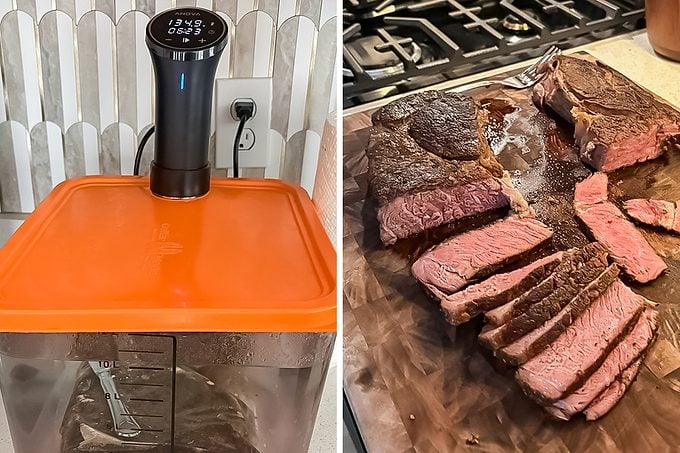
The most memorable result from testing was a chuck roast that cooked for slightly more than 24 hours.
Chuck is much less expensive than many traditional steak cuts (or, at least, it used to be!), but the long, controlled cooking process transformed it. The meat became extremely tender and juicy, with a texture closer to what I would expect from a considerably more expensive cut.
More importantly for evaluating the machine, the Precision Cooker 3.0 was completely reliable throughout the cook. The temperature stayed steady, the circulation didn’t weaken and the machine didn’t display an error or require a restart.
I covered the container during the test and didn’t notice a meaningful change in the water level. I also didn’t need to add more water.
This test highlights one of sous vide cooking’s biggest advantages. You can take a relatively tough cut, give it the exact combination of time and temperature it needs and produce a result that would be difficult to duplicate through faster cooking methods.
Testing the Anova Precision Chamber Vacuum Sealer

I used Anova’s Precision Chamber Vacuum Sealer for every bag that went into the water bath. You don’t need it for sous vide cooking, but it made preparation fast and reliable.
A typical sealing cycle took around one to two minutes. The machine removed the air effectively, and every sealed pouch was secure in the water. There were zero leaks, failed seals or water entering the packaging.
Removing more air also helped prevent the bags from floating, which can be a recurring annoyance with poorly sealed sous vide pouches.
The chamber sealer was especially useful for moist foods and marinades. Unlike an edge sealer, a chamber model removes air from the entire enclosed chamber rather than pulling it directly out through the opening of a textured bag. This makes it much easier to seal foods containing marinades and other liquids. Anova also gives this model dedicated infusion, extraction, compression and pickling settings.
I used those settings to prepare pickled red onions, daikon and cucumbers. The results were flavorful, and the marinades appeared to penetrate foods more deeply than they did with conventional resting alone. I still prefer the regular, slower pickling method, but if you’re in a pinch, the quicker pickle setting on the vacuum sealer still gives you a decent result. It just wasn’t my preferred texture for pickled veggies (they get sort of jelly-like in consistency instead of a nice crunch).

The machine was also smaller and lighter than I expected. Built-in handles made it easy to move into and out of the pantry, and the chamber wiped clean without much effort.
However, the chamber itself limits the size of the food or container you can place inside. Larger cuts (like a tomahawk steak) won’t fit, and finding bowls or containers short enough for the infusion settings can be difficult (I only had one that would fit).
I also had to press firmly on the glass lid at the beginning of each cycle to create a reliable seal. Once I heard the lid engage, the machine worked perfectly, but needing to push it down every time felt slightly janky. It’s possible that my particular unit had a less-than-perfect door seal.
Noise and Everyday Use
The Precision Cooker 3.0 was nearly silent throughout testing.
I could work, watch television and carry on a conversation nearby without being distracted by it at all. There was no rattling, splashing or motor hum, and it was silent even during longer cooking sessions.
That quiet operation was the single biggest upgrade over my older cooker. My previous model had developed a persistent buzzing noise, which made me reluctant to use it when we were spending time near the kitchen.
Because the new machine is so quiet, I’m much more willing to run it for several hours or overnight.
The exterior became slightly warm but never concerning. Steam and condensation didn’t interfere with the controls, and the cord was long enough for my kitchen setup.
Cleanup was also easy. I gave the lower section a quick rinse and wiped down the exterior. After more than a month, I haven’t noticed mineral buildup, discoloration or food residue.
Pros
- Excellent temperature regulation
- Almost silent during operation
- Fast water heating
- Simple setup and controls
- Secure adjustable clamp
- Strong circulation with multiple bags
- Reliable performance during long cooks
- Easy to operate without the app
Cons
- Timer adjustment can feel jumpy
- More expensive than basic competitors
- Chamber sealer is a premium upgrade
Features

- Precise temperature control: Temperature consistency was the Precision Cooker 3.0’s strongest quality. My separate thermometer closely matched its displayed temperature, and the water stayed steady through both shorter meals and the 24-hour chuck roast test.
- Fast, continuous circulation: The water heated in less than 20 minutes during most of my tests, and I could see it circulating around the container. Adding several bags did not noticeably affect performance or create hot and cool areas.
- Quiet operation: This was the feature that most improved my day-to-day experience. The machine produced very little sound, even during long cooks.
- Manual and app controls: The onboard controls are simple enough that the app is not necessary. The free app is useful for remote temperature monitoring, timer changes and notifications, but I used the machine manually most of the time.
- Easy cleaning: The lower skirt is removable, and the exterior only needed a rinse and wipe during my testing. Anova also rates the cooker as IPX7 water- and splash-resistant.
What Other Reviewers Had to Say
The Precision Cooker 3.0 currently has an average rating of approximately 4.3 out of 5 stars from more than 1,200 reviews on Anova’s website. Customer feedback praises the machine’s cooking results, temperature precision and ease of use, although opinions about connectivity and the app are more mixed.
This lines up closely with my experience. The cooker itself performed exceptionally well, but the app did not add enough to become an important part of my cooking routine.
Anova Precision Cooker 3.0 Product Comparison
The most useful comparison for me was with my own older Anova cooker. After around five years of regular use, that machine had become noisy and was not as consistent at maintaining temperature.
The Precision Cooker 3.0 was a clear upgrade in both areas. It heated the water faster, held the temperature more steadily and produced almost no noticeable operating noise.
Anova also offers less and more expensive cookers. At the time of writing, the brand lists the Precision Cooker Nano 3.0 at $149 and the Precision Cooker Pro at $459. The standard Precision Cooker 3.0 (which I tested) costs $229.
Final Verdict
The Anova Precision Cooker 3.0 exceeded my expectations. Its temperature accuracy and consistency were excellent, but the almost silent operation was what made the biggest difference in my kitchen. I no longer have to listen to a loud circulator buzz for hours while a steak or roast cooks.
The controls are simple enough for a complete beginner, and experienced sous vide cooks will appreciate how reliably it maintains the water bath during long cooks. The 24-hour chuck roast was the standout result and a reminder of what makes this cooking method so useful. It turned an affordable cut into something exceptionally tender, juicy and impressive.
My main reservation is the app. Remote monitoring works, but the free version is basic, and I did not think the paid recipes and guides were compelling enough to justify a subscription. Fortunately, the machine works perfectly well without it.
At $229, the Precision Cooker 3.0 is more expensive than many entry-level immersion circulators. Beginners who are simply curious about sous vide cooking may want to start with something cheaper.

Frequent cooks, food enthusiasts and existing sous vide owners looking for a quieter and more dependable upgrade should find plenty of value here. I now use it two to three times per week, and I expect it to remain a regular part of my cooking routine. (Meal prepping with this thing is amazing.)
The Anova Precision Chamber Vacuum Sealer also performed well, particularly with marinades and liquids. However, its roughly $374 price makes it more of a luxury kitchen gadget than a requirement. I would buy it again because we cook every day and enjoy experimenting with recipes, but the Precision Cooker 3.0 is the more important purchase.
Where To Buy
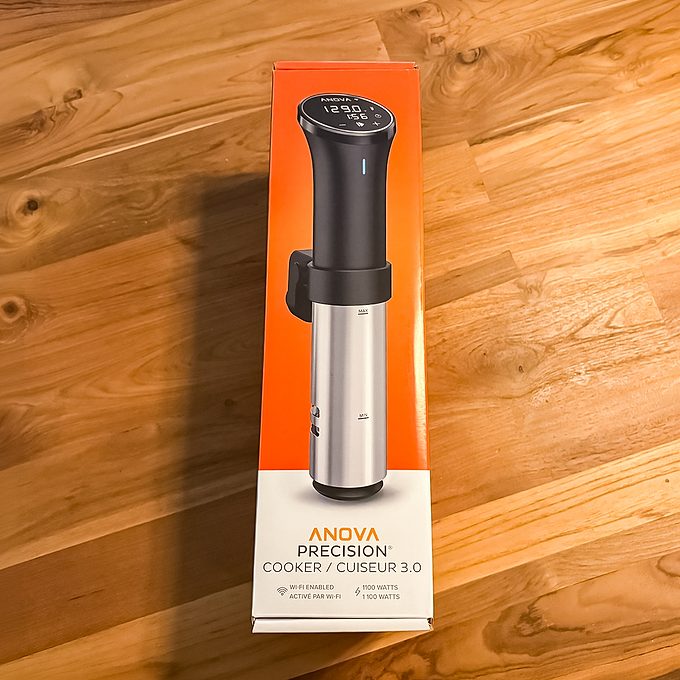
Anova Precision Cooker 3.0
The Anova Precision Cooker 3.0 has a price tag of $229. Anova sells it directly with a 100-day money-back guarantee and a two-year warranty.
At the time of publication, the Precision Cooker 3.0 is also available through Amazon, Walmart and Crate & Barrel. Prices can vary by retailer, so it is worth checking for seasonal sales before purchasing.
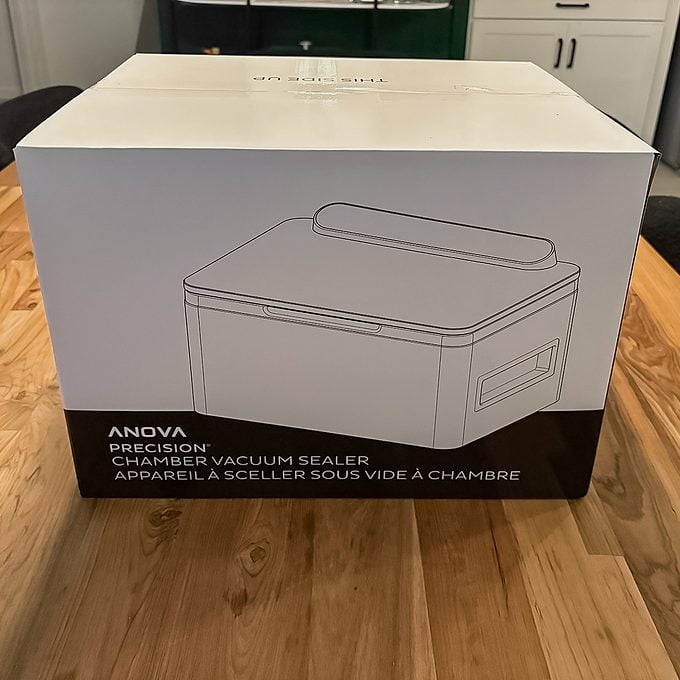
Anova Precision Chamber Vacuum Sealer
The Anova Precision Chamber Vacuum Sealer costs around $374. A pack of 100 compatible Anova chamber pouches costs $29, although the sealer can also use other compatible chamber-style pouches.
FAQ
Is the Anova Precision Cooker 3.0 worth it?
Yes, particularly for people who cook sous vide regularly. Its precise temperature control, fast heating and quiet operation justify the higher price more easily for frequent users than occasional cooks.
Can you use the Anova Precision Cooker 3.0 without the app?
Yes. You can set both the temperature and cooking time directly on the cooker. The app is only needed for remote control, notifications and additional subscription-based content.
How long does the Anova Precision Cooker 3.0 take to heat water?
During testing, it generally heated eight quarts of room-temperature water to temperatures between approximately 130 and 150 degrees in less than 20 minutes.
Is the Anova Precision Cooker 3.0 noisy?
No. It was almost silent during testing, including during a cook lasting more than 24 hours. This was one of its biggest advantages over my older sous vide cooker.
Do you need a vacuum sealer for sous vide cooking?
No. You can start with sturdy zip-top freezer bags and the water-displacement method. A vacuum sealer makes packaging easier and helps prevent floating, but it’s not required.
Why You Should Trust Us
Paul Rankin, Content Updates Editor at Taste of Home, tested the Anova Precision Cooker 3.0 and Anova Precision Chamber Vacuum Sealer for more than a month. He has written and edited shopping guides since 2020 and previously worked as a commerce editor at Bob Vila.
Paul is an experienced home cook who has used sous vide appliances regularly for several years. He and his husband cook at home daily and typically prepare food sous vide once or twice per week.
For this review, Paul used the Precision Cooker 3.0 two to three times per week to prepare ribeye steaks, chicken breasts, fondant potatoes and a chuck roast cooked for more than 24 hours. He tested its heating speed, temperature stability, circulation, controls, app connectivity, noise level and cleanup. He also checked its temperature against a separate thermometer and used the chamber vacuum sealer to package every food tested.

