Fried Lemon Fish
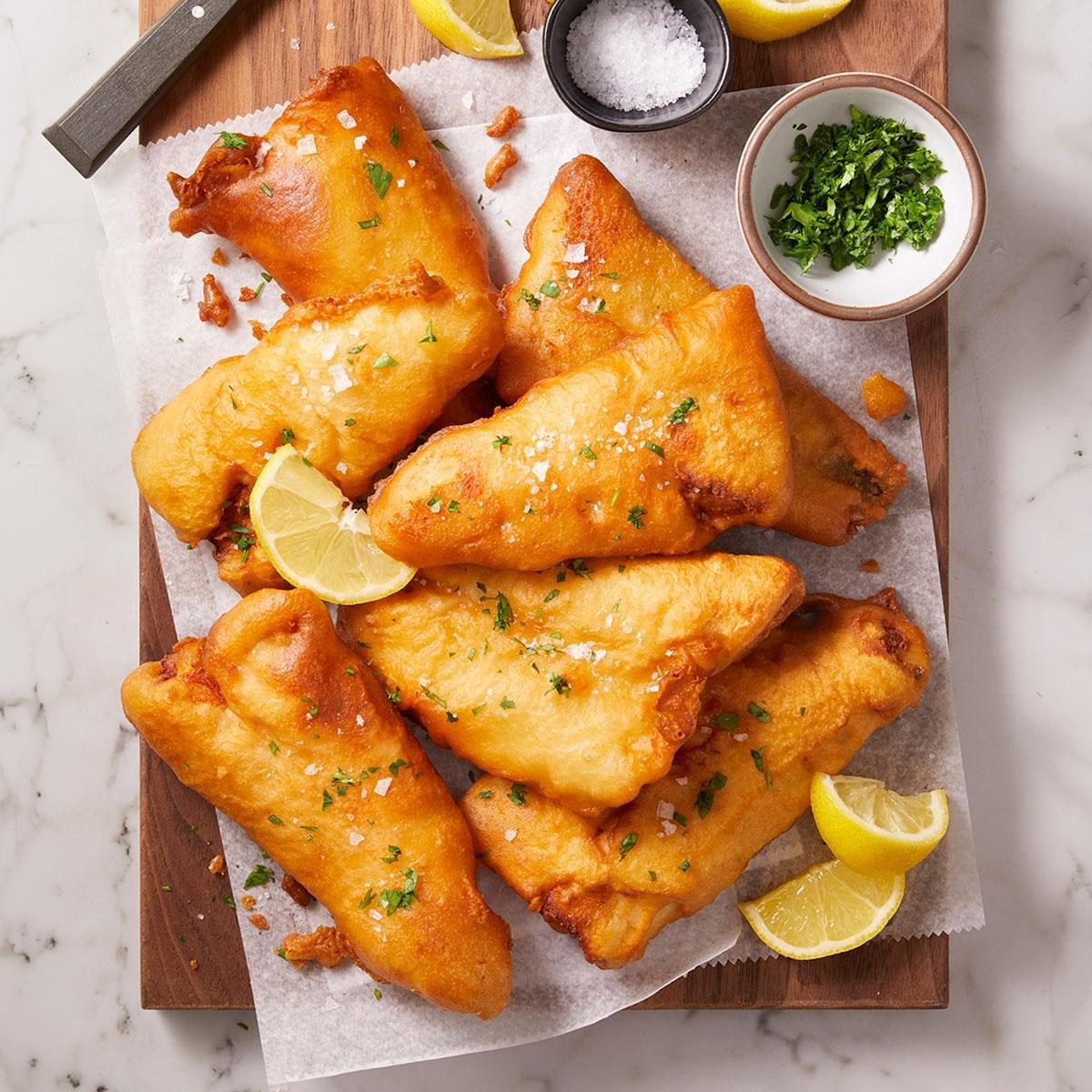
This fried lemon fish is savory, crispy, a little bit sweet and full of lemon flavor. If you're craving something fried for dinner, give this recipe a try.
Lemon and fish are a classic combination, and this fried lemon fish is a great example of how the two blend together so well. A savory yet lightly sweet batter creates a crispy layer around the flaky white fish fillets, with lemon juice flavoring each bite. This is a simple recipe that calls for ingredients most people already have at home. It’s also a fantastic way to cook all that fish you just brought home from a fishing trip!
Why do lemon and fish pair so beautifully?
The brightness of lemon, not to mention the acidity, covers any fishy taste while still letting the true flavor of the fish shine. If the fish is salty, the lemon flavor can counter that and create a better balance of flavors when you eat the fish. This recipe uses lemon juice in the dredging process and in the batter, with lemon wedges as an optional garnish if folks want to add even more lemon flavor to their meal.
Fried Lemon Fish Ingredients
- All-purpose flour: Stick with all-purpose flour for this recipe. Other types of flour may have too prominent a taste or not look good after frying.
- Baking powder: This helps the batter fry up a little lighter and crispier than it would otherwise.
- Sugar: A little sweetness and caramelization make the batter only taste better. The sugar also helps counter the sour aspect of the lemon juice.
- Egg: Eggs help bind the batter mixture to the fish.
- Lemon juice: The best way to add lemony flavor to the batter is to mix in the juice. Topping the fish with lemon juice after frying is nice, but it doesn’t make every bite taste as if it has lemon in it.
- Perch or walleye fillets: These types of white, flaky fish stand up well to the heat of deep-frying. Do your best to cut the fillets into equal-sized pieces so they finish frying at the same time. It’s a common frying mistake to keep the pieces too big, which results in less batter coverage, a longer cook time and unevenly cooked pieces.
- Lemon wedges: Lemon wedges are an optional garnish. The bright yellow of fresh lemon wedges looks nice against the golden batter and lets people add a little more juice to the top of their fish if they want.
- Oil: The best oils for frying are canola oil, corn oil, sunflower oil and safflower oil. They have a high smoke point and neutral taste so the oil won’t burn as easily as an oil with a lower smoke point (like olive oil) and the oil’s flavor won’t detract from the recipe’s flavors (as peanut oil would).
Directions
Step 1: Make the batter

In a bowl, combine 1 cup flour with the baking powder, salt and sugar. In another bowl, combine the egg, water and 1/3 cup lemon juice. Stir the egg mixture into the dry ingredients until you have a smooth batter.
Step 2: Dredge the fish

Put the remaining 1/3 cup lemon juice and 1/2 cup flour in separate clean, shallow bowls. Dip each fillet in lemon juice, then flour, then the batter.
Step 3: Fry it up

In a large skillet, heat 1 inch oil over medium-high heat. Fry the fillets until they’re golden brown and the fish flakes easily with a fork, two to three minutes on each side (four to six minutes total). Let the fried fish drain on paper towels, and serve it with lemon wedges, if desired.

Fried Lemon Fish Variations
- Try lime juice instead of lemon juice: You can substitute lime juice for the lemon juice in the same quantity. Lime juice is a little more sour, so use this citrus if you prefer that.
- Use another flaky white fish: If you don’t have perch or walleye but do have cod, pollock or haddock, go ahead and use those instead, as they’re all among the best types of fish for frying.
- Add spices: Punch up the flavor by adding dried herbs and spices, like garlic powder, onion powder, red pepper flakes, paprika, dried chives or dried dill, to the batter.
How to Store Fried Lemon Fish
Leftover fried lemon fish should go in an airtight container in the refrigerator. Eat the rest of the fish within three days.
Can you make fried lemon fish ahead of time?
While it would be nice to be able to make the fish ahead, it’s not a good idea. Fish is rather difficult to reheat properly if you want that crispness you get only when frying something right before serving it. (You can eat leftover fish cold, as long as it’s been stored properly.)
You could mix the egg-flour-juice batter a few hours before dredging the fish and then store it in the fridge until you’re ready to fry. But the full fish fry with lemon recipe is best made at the time you want to eat. Also, do not dredge the fish in the juice, flour or batter until you’re just about to fry it.
Fried Lemon Fish Tips

How do you get the batter to stick to the fish?
Coating fish with batter uses a process called dredging, which is similar to the process used to coat food in bread crumbs before frying. The stages in dredging are a little different, but the logic is the same. The outer batter layer needs a layer of flour under it to provide enough friction to stop the batter from sliding off the fillet. That flour layer needs moisture underneath it to help it stick to the fish. If you dip the fish directly in the flour first, you’ll get a thin, patchy layer of flour that doesn’t adhere well. So dip it in lemon juice, then flour, then batter.
Why isn’t the battered coating crispy after frying?
If the battered coating doesn’t have that crispy texture you want, chances are the oil was too cool when you put the fish in and the batter absorbed too much oil. If you add the fish before the oil reaches the right temperature, you’ll have to fry the fish longer to cook it thoroughly. If the fish sits in the oil too long, the floury batter will draw in more and more oil and turn out soggy instead of crispy.
It takes time for the oil to come to the right temperature for deep-frying, so have patience. Heat the oil slowly and use a candy or deep-fry thermometer to monitor its temperature. One tip for deep-frying at home is that the oil should be between 350° and 375°F before you add the first pieces of fish.
What’s the best type of flour to use for the batter?
All-purpose flour is best for frying battered food. It has a neutral flavor that won’t overwhelm the fish, and it turns a very nice golden brown when fried properly. Also, other flours won’t provide the right texture. All-purpose flour’s mix of hard and soft wheat creates the perfect balance of breading strength and delicate, crispy texture.
Ingredients
- 1-1/2 cups all-purpose flour, divided
- 1 teaspoon baking powder
- 3/4 teaspoon salt
- 1/2 teaspoon sugar
- 1 large egg, lightly beaten
- 2/3 cup water
- 2/3 cup lemon juice, divided
- 2 pounds perch or walleye fillets, cut into serving-sized pieces
- Oil for frying
- Optional: chopped parsley, flake sea salt and lemon wedges
Directions
-
1Combine 1 cup flour, baking powder, salt and sugar. In another bowl, combine egg, water and 1/3 cup lemon juice; stir into dry ingredients until smooth.
-
2Place remaining 1/3 cup lemon juice and remaining 1/2 cup flour in separate shallow bowls. Dip fillets in lemon juice, then flour, then coat with egg mixture.
-
3In a large skillet, heat 1 in. oil over medium-high heat. Fry fillets until golden brown and fish flakes easily with a fork, 2-3 minutes on each side. Drain on paper towels. If desired, top with parsley and flake sea salt and serve with lemon wedges.