



You were only going to eat a few...
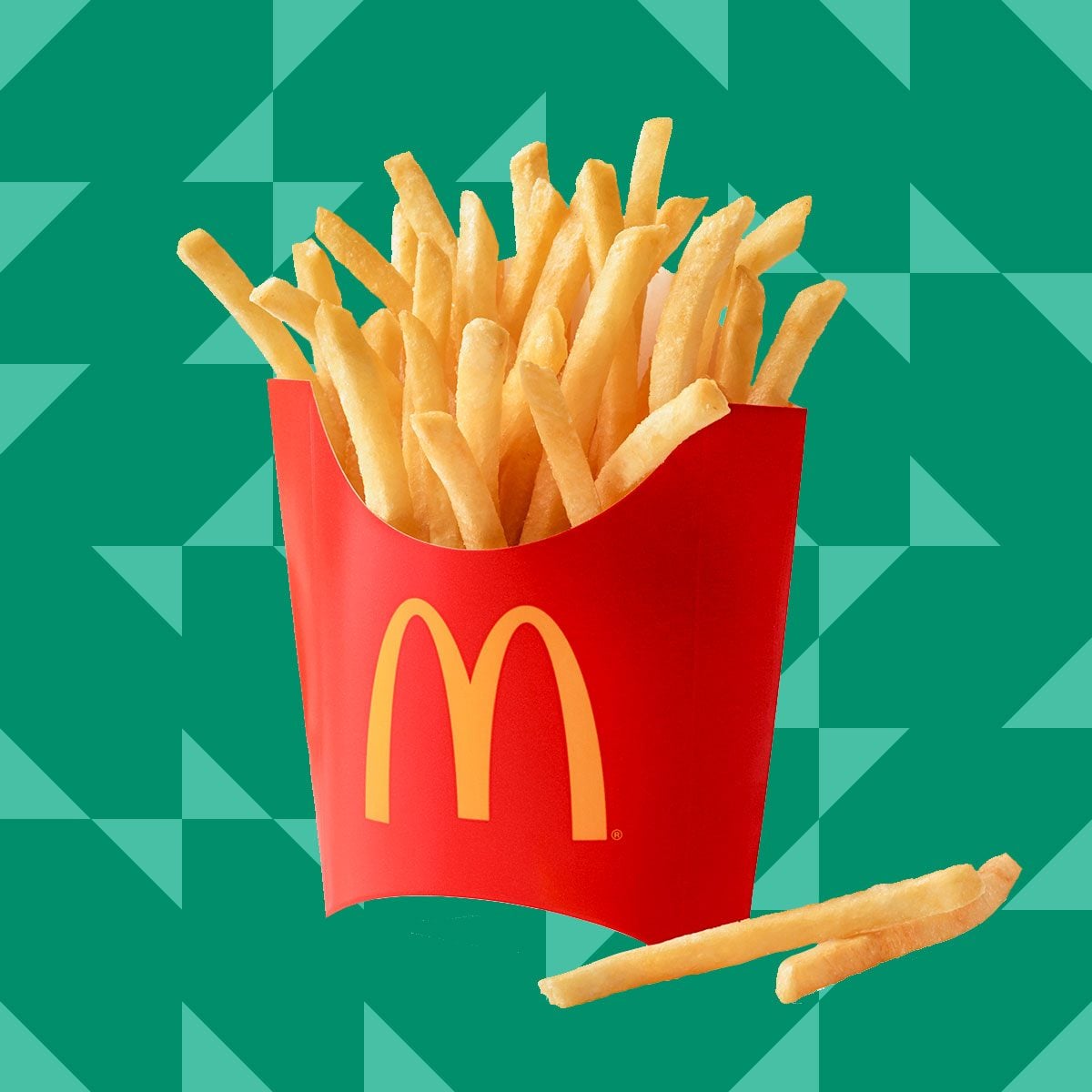
McDonald’s fries have a remarkable ability to make otherwise reasonable people abandon all self-control. You tell yourself you’re just going to grab a couple from the carton. Then a couple becomes a handful, a handful becomes half the order, and before long, you’re digging through the bottom of the bag for escapees like a hungry raccoon.
In my house, McDonald’s fries may as well be a food group. My husband is a chef at a beautiful Pacific Northwest steakhouse, where he spends his days preparing A5 Wagyu and Kurobuta pork chops. Yet, most nights after service, he walks through the door with a McDonald’s bag in hand. And it’s not usually the burger he’s after. It’s the fries.
Of course, he’s far from alone. Some of the magic that makes the fries so irresistible comes from the potatoes. McDonald’s uses several kinds of potatoes, including Russet Burbank, Russet Ranger, Umatilla Russet and Shepody potatoes, chosen for their ability to turn crisp on the outside while staying fluffy in the center. But the potatoes are only the beginning. What makes McDonald’s fries taste so distinctly like McDonald’s fries comes down to a few small, very specific details: the salt, the oil and even a little bit of sugar.
The Salt Matters More Than You Think
Before you notice the crisp exterior or fluffy center of the fries, you’re tasting the salt.
One of the things that sets McDonald’s fries apart from many others is how evenly they’re seasoned. You don’t get one fry coated in salt and another that tastes like plain potato. Every fry seems to hit the same note. Many chefs credit that kind of consistency to extra-fine salt, sometimes called popcorn salt. Because the crystals are smaller, they cling more easily to hot food and distribute more evenly across the surface. The result is a lighter, more uniform seasoning in every bite.
Think about movie theater popcorn. Part of what makes it taste different from a bowl of homemade popcorn is that the seasoning doesn’t just sit on top. It gets everywhere. On your fingers, on your shirt, somehow even on the seat of your car. French fries work the same way.

The Oil Has a Hint of Beef Tallow
While the salt may be the first thing you notice, it’s the oil that makes McDonald’s fries instantly recognizable.
For decades, McDonald’s cooked its fries in beef tallow, a rendered beef fat that gave them a rich, savory flavor. The company switched away from beef tallow in the 1990s, but the flavor never fully disappeared. Today, McDonald’s fries are cooked in a vegetable oil blend that contains canola, corn and soybean oils. The fries also contain natural beef flavoring, which helps recreate some of the flavor people remember from the original recipe. That’s why a carton of McDonald’s fries doesn’t smell like generic fried potatoes. It smells like McDonald’s.
That beef flavoring is also the reason McDonald’s fries in the United States aren’t considered vegetarian or vegan, even though they’re no longer cooked in beef tallow.
The company isn’t just frying up potatoes. It’s preserving a flavor profile generations of customers grew up with.
Every Detail Is Designed for Consistency
One of the most interesting things about McDonald’s fries is that they’re not really designed to be surprising.
The potatoes are chosen for texture. The salt is meant to coat every surface. The oil is engineered to preserve a flavor profile people fell in love with decades ago. The ingredient list even includes dextrose, a corn sugar added to help the fries maintain their signature golden color.
The goal isn’t innovation. It’s consistency. Before those fries ever reach a restaurant, they’re peeled, cut, blanched, dried, partially fried and frozen. Every step is designed to ensure the fries you order today taste as much like the ones you ordered a decade ago.
Maybe that’s why so many of us have the same experience. We order the fries, intending to eat a few on the drive home, only to pull into the driveway with an empty carton sitting in the passenger seat.

