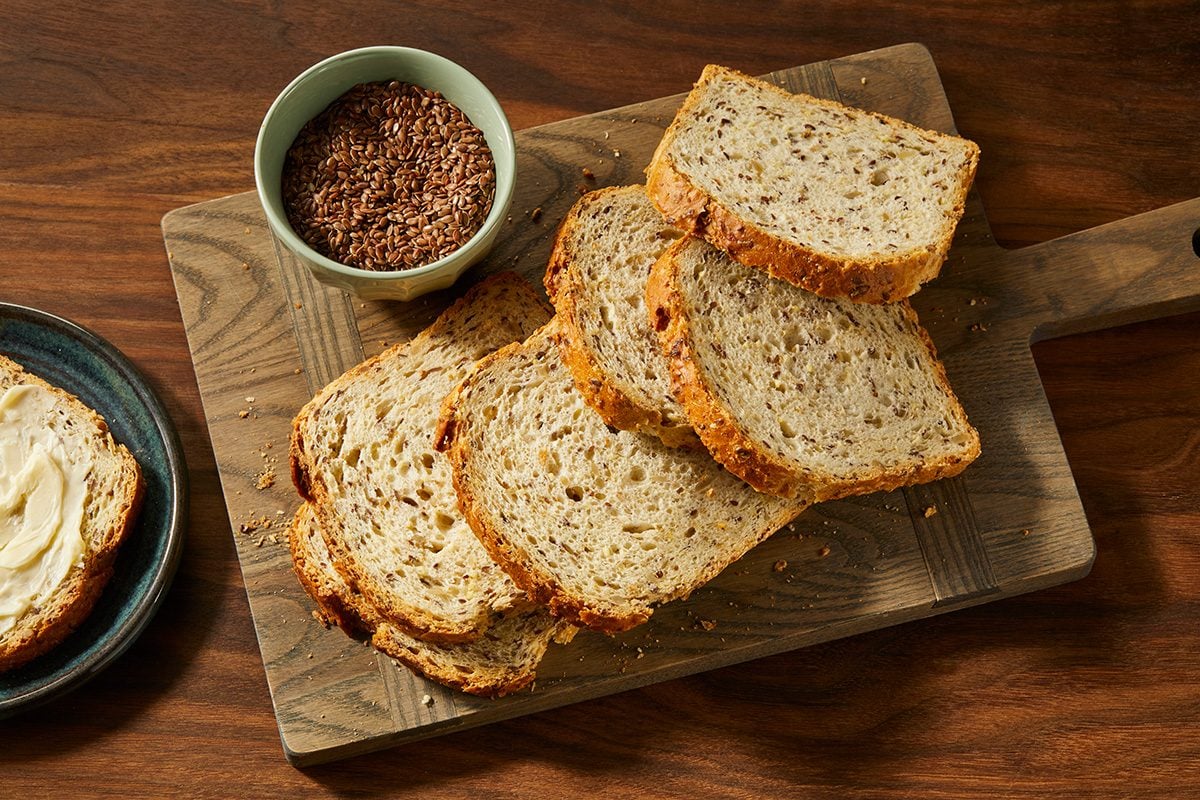
Dietitian-approved swaps, made simple. First up: A flax egg that adds fiber to baked goods.
I bake as a form of self-care. But as a dietitian, I have to say something nobody likes to admit: Most baked goods could use a nutrition boost. Many recipes center around flour, sugar and butter (aka the good stuff!). While these ingredients are essential for flavor and structure, they don’t contain much fiber. And that’s a nutrient that can make a real difference, since high-fiber foods help support satiety, gut health and healthy blood sugar levels.
Of course, baking is a science, so you can’t swap ingredients too freely without affecting the final result. After years of developing better-for-you recipes and tinkering in my own kitchen, I’ve found simple ways to make my family’s favorite recipes more nourishing without sacrificing the flavors and textures we love. That’s why I’m starting a new Taste of Home series called Simple Swaps to share the healthy ingredient substitutions I use in everyday recipes.
Flax eggs feel like a perfect place to start. Just mix ground flaxseed with water, and you’ve got a simple egg substitute that adds fiber and healthy fats to muffins, quick breads, cookies and more. I started using them to make healthier muffins and brownies for my son and was thrilled when he happily ate them without noticing a difference.
Why I Bake with Flax Eggs
Using flax eggs doesn’t mean you have to give up regular eggs—they absolutely have a place in the kitchen, and I use them all the time. But when it comes to baking, flax eggs are an easy way to sneak in extra nutrition. They add a food group (healthy seeds) that my family doesn’t often eat, making homemade treats a little healthier. Here’s what flax eggs can do:
- Add more fiber to baked goods: Most of us get plenty of protein throughout the day, but fiber is another story. Boosting fiber intake supports gut health and helps you feel full longer.
- Create heart-healthy recipes: Flaxseed is naturally cholesterol-free and rich in unsaturated fats, including omega-3 fatty acids, making it a heart-healthy substitute for regular eggs in baked goods.
- Make recipes egg-free: Flax eggs are a reliable swap when I need to adapt my favorite baking recipes for plant-based eaters or anyone with an egg allergy.
- Bake on a budget: Ground flaxseed is a cheap egg replacement, so flax eggs help me boost nutrition and save a little money. Win, win! I often use flaxseed for baking and save my eggs for hard-boiled snacks and healthy egg breakfasts, like scrambles and savory frittatas.
- Keep flavors neutral: Flaxseed has a slightly nutty flavor and aroma, but it’s very subtle. My sensitive taste buds have a hard time detecting it, especially in treats made with warming spices, chocolate or fruit.
My Flax Egg Method
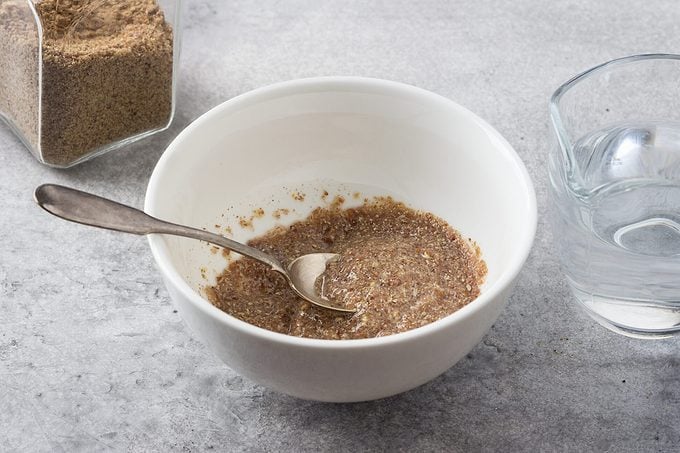
To make a flax egg, combine 1 tablespoon of ground flaxseed with 3 tablespoons of cool or room temperature water. Let it sit for 5 to 10 minutes until it thickens to a gel-like consistency. This mixture makes enough to replace one large egg. Need two eggs? Simply double the amounts and mix 2 tablespoons of ground flaxseed with 6 tablespoons of water.
I’ve found that you can usually replace one or two eggs successfully, but using more than that can make baked goods heavy or gummy. Flax eggs also don’t provide the leavening power of real eggs. If your recipe calls for several eggs, it’s best to use a mix of flax eggs and traditional eggs to add nutrition without sacrificing texture or rise.
Folding Flax Eggs into My Baking Routine

I reach for flax eggs when I’m making dense, moist baked goods where eggs are mainly used for binding. Think: muffins, pancakes, quick breads and classic brownies. The swap works especially well in hearty breads and boldly flavored cookies, where flax eggs usually go unnoticed. Even my picky eater can’t tell the difference. In lighter treats like vanilla cupcakes, flax adds a slightly darker color and a hint of nuttiness, but the overall texture and flavor remain close to the original.
In my experience, flax eggs don’t work well in light, airy desserts where eggs are key for structure, like angel food cake, meringue cookies and macarons. They don’t have the same leavening power of eggs and can’t provide enough lift to create that signature fluffy texture. In these recipes, traditional eggs are the best choice.
Recipes to try with flax eggs


What People Ask Me About Baking with Flax Eggs
I tend to get the same handful of questions from friends and family when I mention baking with flax eggs. They’re a simple swap, but they still raise a few “how do they actually work?” comments.
Can you use whole flaxseeds for flax eggs?
Whole flaxseeds don’t absorb water the same way as ground flaxseed, so they won’t work as an egg replacement. If you only have whole seeds, grind them in a coffee grinder or high-speed blender until they’re fine and powdery. Store any leftover ground seeds in an airtight container in the fridge.
How many eggs can you replace with flax eggs?
For best results, use flax eggs to replace no more than two eggs per recipe. Flax eggs act as a binder, but they don’t provide as much lift or structure as real eggs. Using more than two flax eggs (2 tablespoons of ground flaxseed mixed with 6 tablespoons of water) can make baked goods dense or heavy. The flax’s nutty character can also overpower other flavors. If a recipe calls for more than two eggs, use a combination of flax eggs and regular eggs for the best of both worlds: added nutrients and fluffy, sturdy baked goods.
Can you make flax eggs ahead of time?
It’s best to make flax eggs fresh, since they gel as they sit. If you make them too far ahead, they can thicken too much, and they’ll be difficult to stir into batters. Luckily, they only take a few minutes to prep.
If you do end up with extras, you can store them in an airtight container in the fridge for a few hours or overnight. The mixture will become very thick, so stir in a splash of water to loosen it before using. Put these thicker flax eggs to work in forgiving recipes, like baked blueberry pancakes or mini chocolate chip muffins. You can also stir them into oatmeal or a smoothie bowl for extra fiber and protein.
Should you use flax eggs or chia eggs for vegan baking?
Flax eggs and chia eggs are plant-based ingredients, so you can use either one as an egg substitute in vegan cookies and other baked treats. Nutrition-wise, both add fiber, healthy fats and a bit of protein. Chia eggs can give baked goods a slightly seedy look and texture, so I tend to reach for flax eggs instead. They create a smoother texture and don’t leave tiny gel-coated seeds behind that always get stuck in my teeth!
If you prefer to bake with chia seeds, you can make one chia egg by combining 1 tablespoon of chia seeds with 3 tablespoons of water. Unlike flax, chia seeds don’t need to be ground to gel, so go ahead and use them whole. Let the mixture sit for 5 to 10 minutes until it thickens.