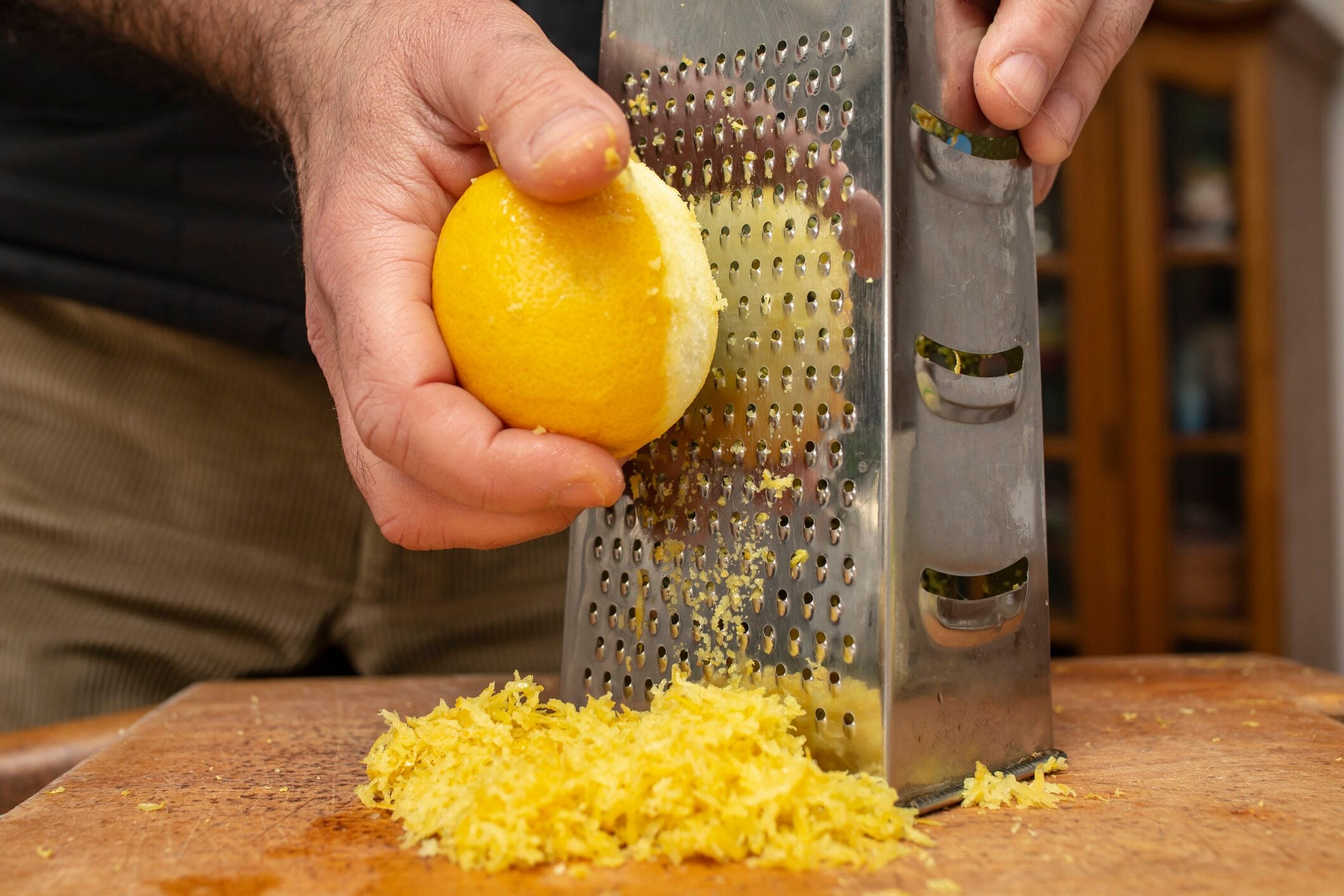
Lemon zest has a very specific flavor profile, but there are some work-arounds if you're out of lemons. Here's what to use if you need a lemon zest substitute.
During culinary school and my subsequent time cooking in restaurants, I learned that finishing a savory dish with a flurry of bright yellow lemon zest or rubbing zest into the sugar before mixing a muffin batter instantly made the recipes look and taste ten times better. I got so used to doing this that my produce drawer was full of bald, zested lemons! I had enough juice for a pitcher of lemonade, but I needed a lemon zest substitute for my favorite sweet and savory lemon recipes. Luckily, there are options.
Zest, often called lemon peel, is the small shaving from the brightly colored and intensely flavored outer skin of the citrus fruit. It’s fragrant and tart, adding a deep floral note and tangy zip to recipes like lemon bars, lemon pie or lemon risotto. But what do you do if you’re out of lemons? Below are four of the best alternatives to lemon zest you can use in a pinch.
Substitutes for Lemon Zest
When it comes to choosing a lemon zest substitute, it is not a one-size-fits-all situation and largely depends on the recipe. If too much liquid is substituted for zest, a baking recipe can turn out totally different or your bake could end up with the dreaded gummy layer known as cake cleaching. As dried lemon peel is best in a recipe with liquid so it can hydrate, each substitute for lemon zest has pros and cons as well as best uses.
Other citrus zest

If you’re out of lemons, try using an equal amount of another citrus zest, such as orange or lime, in your recipe. Oranges and limes grate just as well as lemons, resulting in zests with the same fluffy texture as lemon zest, but they do have their own unique flavor profiles. The more zest you add, the more noticeable the taste difference will be. If your recipe calls for more than a teaspoon of zest, you’ll also notice a different color in the finished product.
Orange zest is sweeter than lemon zest, so it works well in dessert recipes like a lemon strawberry shortcake, while lime zest, which is sharper, would be perfect in savory dishes, such as a creamy lemon rice. If available, I love using blood orange zest, which has a bit more tang and acidity than navel orange peel. Fresh herb recipes, especially those with basil, parsley and mint, taste great with most citrus fruits, so both lime and orange should work.
Lemon extract
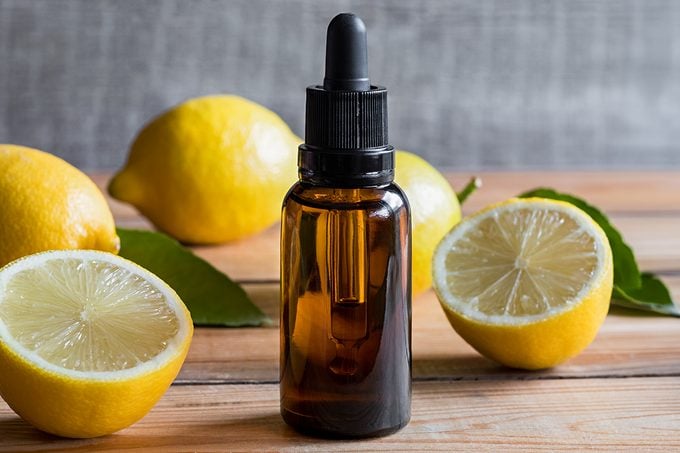
Lemon extract is a great pantry-friendly substitute for zest because it’s made from lemon peels soaked in alcohol, which gives the extract a bold, true lemon flavor with gentle sharpness from the alcohol. However, it’s significantly more intense than fresh zest, so you won’t want to overdo it or your food can taste bitter. The substitution formula is about as easy as it comes: 1 teaspoon of lemon zest = 1/2 teaspoon of lemon extract.
Lemon extract is perfect for baking recipes, such as lemon muffins or a lemon Bundt cake, because it works just like any other extract but brings a strong lemon taste. It can also be added to savory recipes. Try it in marinades that use lemon zest, like the marinade for this grilled lemon chicken, or use it sparingly in sauces or vinaigrettes. Remember that if it’s not heated, the extract will retain a bit of burn from the alcohol base, so add it very gradually.
Once you discover the versatility of lemon extract, you’ll want to try all these lemon extract recipes, even if you don’t need a lemon zest substitute.
Lemon juice
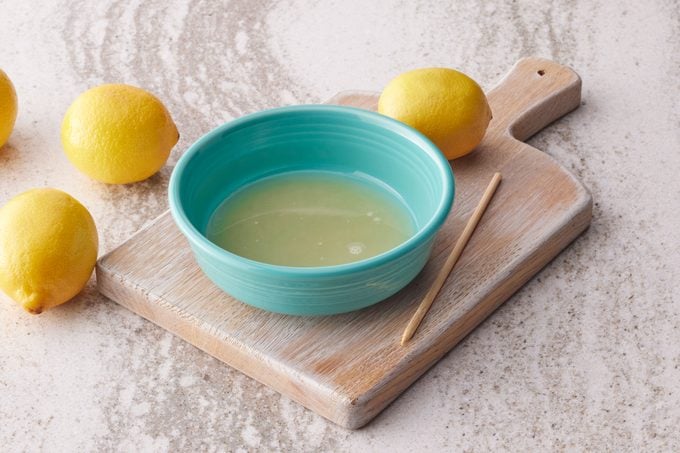
Lemon juice is a wonderful substitute for lemon zest because it’s just another part of the fruit, so it’s equally bright and flavorful. In a perfect world, you’d use fresh lemon juice instead of bottled, but— unless you are like me and zest more than you juice—you probably don’t have any lemons or you would be able to zest them, right?
Lemon juice tastes as lemony as, well, lemon zest, but it’s more acidic, so you may need to adjust the sugar in your recipe or add a pinch more to balance the tartness. Since lemon juice contains water, its flavor is not as concentrated as lemon zest. You’ll want to keep this formula handy: 1 teaspoon of lemon zest = 2 tablespoons of lemon juice.
Lemon juice is perfect for savory recipes where a touch of tang enlivens earthy vegetables, as in this steamed lemon broccoli, or when adding extra liquid won’t change the recipe too much, as in this simple lemon pasta. When baking, use lemon juice as a substitute only in small amounts or it will throw off the flour-to-leavening ratios in the recipe. Lemon juice is better in sweet recipes that already have liquid and cook on the stovetop, like lemon curd.
Dried lemon peel
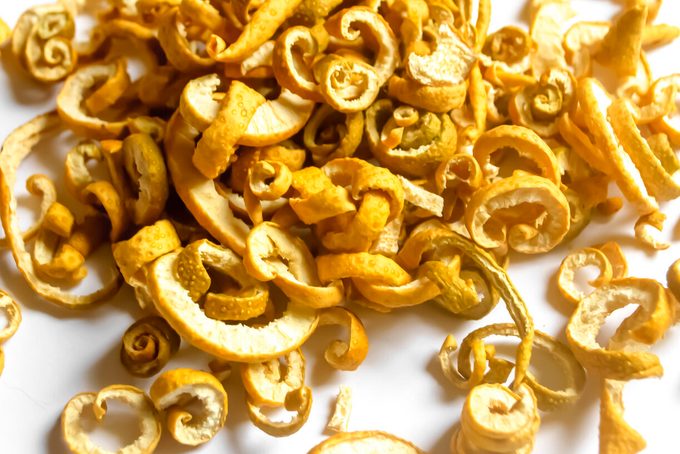
Dried lemon peel is simply dehydrated lemon zest, so it can be a fantastic lemon zest substitute in the right recipes. Since the zest’s water has been removed, dried lemon peel has a much more concentrated, intense flavor than fresh. We recommend using two-thirds less dried lemon peel than the zest called for in a recipe. In other words, if you need 1 tablespoon of lemon zest, use 1/3 tablespoon (1 teaspoon) of dried lemon peel.
Dried lemon peel is sold finely ground and in larger pieces, and it is a great pantry staple to stock up on. You’ll want to add it to a recipe with liquid, like a soup, stew, lemon pudding or lemon ice cream, so it can soften and hydrate, allowing the lemon flavor to disperse. It won’t dissolve, so if you don’t like the bit of texture it adds, you can strain it out. Dried lemon peel works equally well in sweet recipes as in savory recipes, so substitute away!
Lemon Zest Substitutes FAQ
When should I not use a lemon zest substitute?
If the recipe calls for a large amount of lemon zest (read: more than a couple of tablespoons), it’s significant enough to the recipe that a substitute won’t cut it. If you replace a large quantity of zest with lemon juice or extract, the excess liquid can make batters and sauces too runny and impart a bitter or sour taste. In baking, because lemon juice is acidic, it’ll react with baking soda and baking powder, changing the overall texture and rise.
While you can skip a small amount of lemon zest, the bright boost of flavor it adds to a dish is unmatched. And there’s no reason to go without it because lemons store so well. Just pop them into a sealed container or resealable plastic bag, and place them in the fridge where they’ll keep for at least a month.
What’s the best way to zest lemons?
The best way to zest a lemon is to use a zester or Microplane grater to remove tiny, fine bits of peel. Just make sure you don’t apply too much pressure or grate too far down—the spongy white layer underneath the peel, also known as pith, is bitter. Hold the fruit in one hand, the zester in the other and lightly run the peel upwards against the sharp blades. In a pinch, remove wide strips of zest with a vegetable peeler and then thinly slice or chop them with a knife.
How much zest do you get from one lemon?
One medium-sized lemon will yield about 1 tablespoon of zest. If you have extra lemons on hand, feel free to grate them all and freeze the zest for the future. The zest won’t freeze into a firm block, making it easy to measure out tablespoon-sized servings as needed. Use a freezer-proof bag or container and squeeze out the excess air to prevent freezer burn, which can make the zest dull-tasting.
The next time you have plenty of lemons on hand, treat yourself to the best lemon desserts.