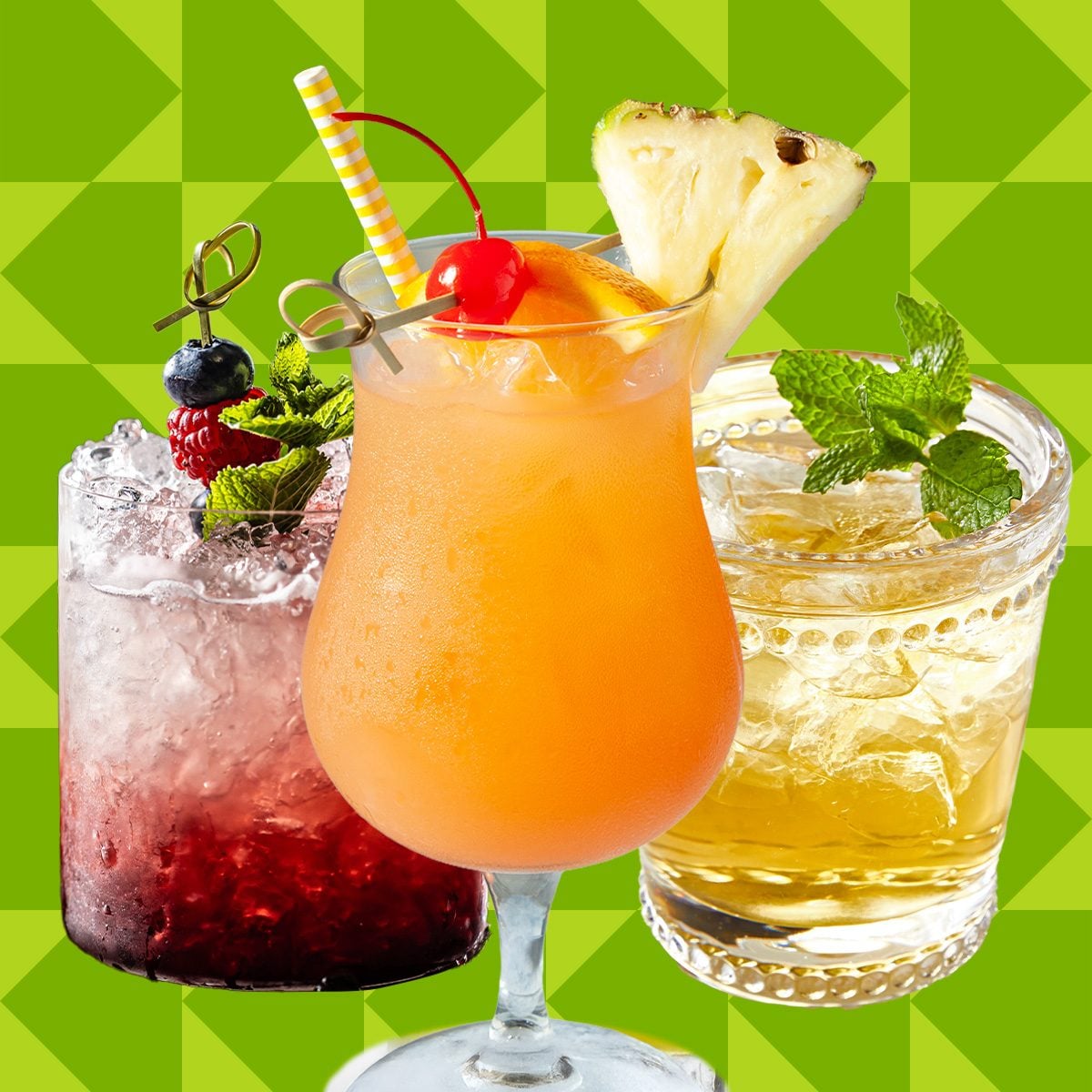
Three cocktail names. Three completely different drinks.
Cocktail names have a way of sounding either impossibly elegant or completely made up. Classic cocktails like the gimlet or the Manhattan fall into the first category. Smashes, brambles and swizzles all fall into the second category, with whimsical, slightly mysterious names that sound just similar enough to blur together after your second drink.
Personally, I’ll order a bramble almost any time I see one on a menu—partly because gin is my favorite spirit, and partly because the name makes me feel like I should be drinking it in a garden somewhere while on vacation. A swizzle sounds like it belongs on a cruise ship. A smash sounds like something you accidentally made when you were being too aggressive with mint. None of this helps clarify what they actually are.
They’re actually three very different cocktail styles, each with its own technique, texture and personality. One relies on a dramatic berry float. One practically demands a mountain of crushed ice and a specialized stirring stick. One is all about muddled fresh ingredients. And once you know what distinguishes them, cocktail menus suddenly start making a lot more sense.
What is a swizzle?

A swizzle is a style of drink made with a specific mixing technique. Traditionally associated with Caribbean cocktails, swizzles are built directly in a tall glass packed with crushed ice, then are rapidly stirred using a swizzle stick (a long stick traditionally cut from the branches of a Caribbean quararibea tree). The motion chills the drink so quickly that the outside of the glass frosts over.
It’s one of the more theatrical cocktail techniques, but the final drink feels surprisingly relaxed. A swizzle is icy, refreshing and built for slow sipping somewhere humid.
Swizzles are often rum-based, though modern versions can be made with anything from gin to whiskey. They also tend to include citrus, bitters and layered herbal or spice notes. Crushed ice is essential here; it softens stronger spirits and gives the drink that almost snow-cone texture that makes swizzles especially good in hot weather.
Classic examples include the Queen’s Park Swizzle and the Chartreuse Swizzle, though bartenders love riffing on the format. If you already enjoy tiki cocktails, tropical drinks, mojitos or rum punch, you’re probably not far off from swizzle territory already.
What is a bramble?
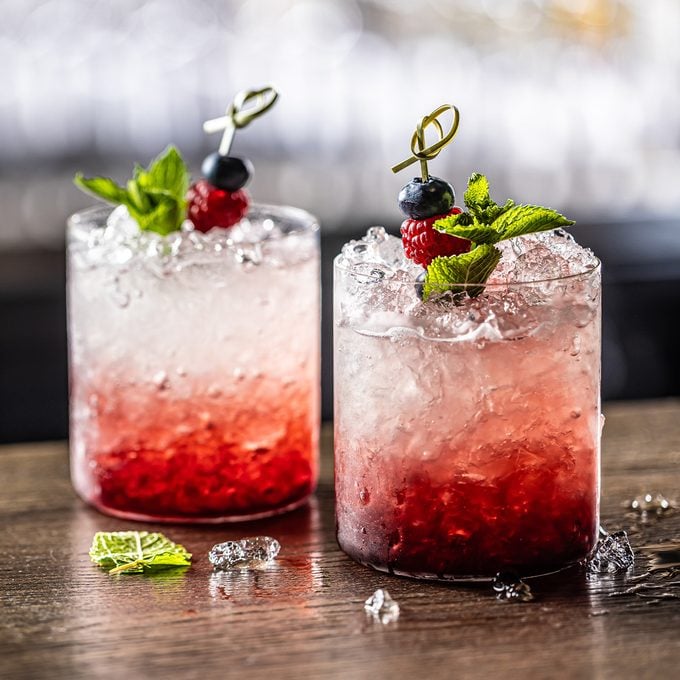
The bramble is the newest of the three, at least in terms of cocktail history. It was created in the 1980s by London bartender Dick Bradsell, and it’s now considered a modern classic.
A traditional bramble starts with gin, lemon juice and simple syrup shaken over crushed ice. Then comes the signature move: a drizzle of blackberry liqueur (usually crème de mûre) poured over the top. That dark berry liqueur slowly trickles through the ice, creating those dramatic jewel-toned streaks that make the drink instantly recognizable.
That drizzle is really what separates a bramble from other citrus-forward gin cocktails. Without it, you’re essentially heading into gin sour territory.
Flavor-wise, brambles land somewhere between refreshing and jammy. They’re bright from the lemon juice but softened by the berry notes, with a finish that tastes almost like a summer cobbler in cocktail form.
What is a smash?

A smash is the most casual-feeling of the three. It’s built around muddled fruit and herbs (usually mint) combined with a spirit, citrus and ice. The name comes from the technique itself: smashing or muddling the ingredients together to release their oils and juices.
The most famous version is probably the whiskey smash, which overlaps a little with the mint julep and the whiskey sour. Muddle lemon wedges and mint, add whiskey, then shake or stir them with ice. The result is bright, aromatic and slightly rustic in the best possible way.
Unlike a bramble, a smash isn’t defined by a liqueur drizzle or a layered presentation. Unlike a swizzle, it’s not about crushed ice or rapid-stirring theatrics. A smash is more relaxed and garden-driven—the cocktail equivalent of a farmers market tote filled with slightly bruised peaches.
They’re also endlessly adaptable. Stone fruit, strawberries, basil, bourbon, rum, tequila—if it can be muddled, and if it tastes good cold, it can probably successfully be turned into a smash.
Related: