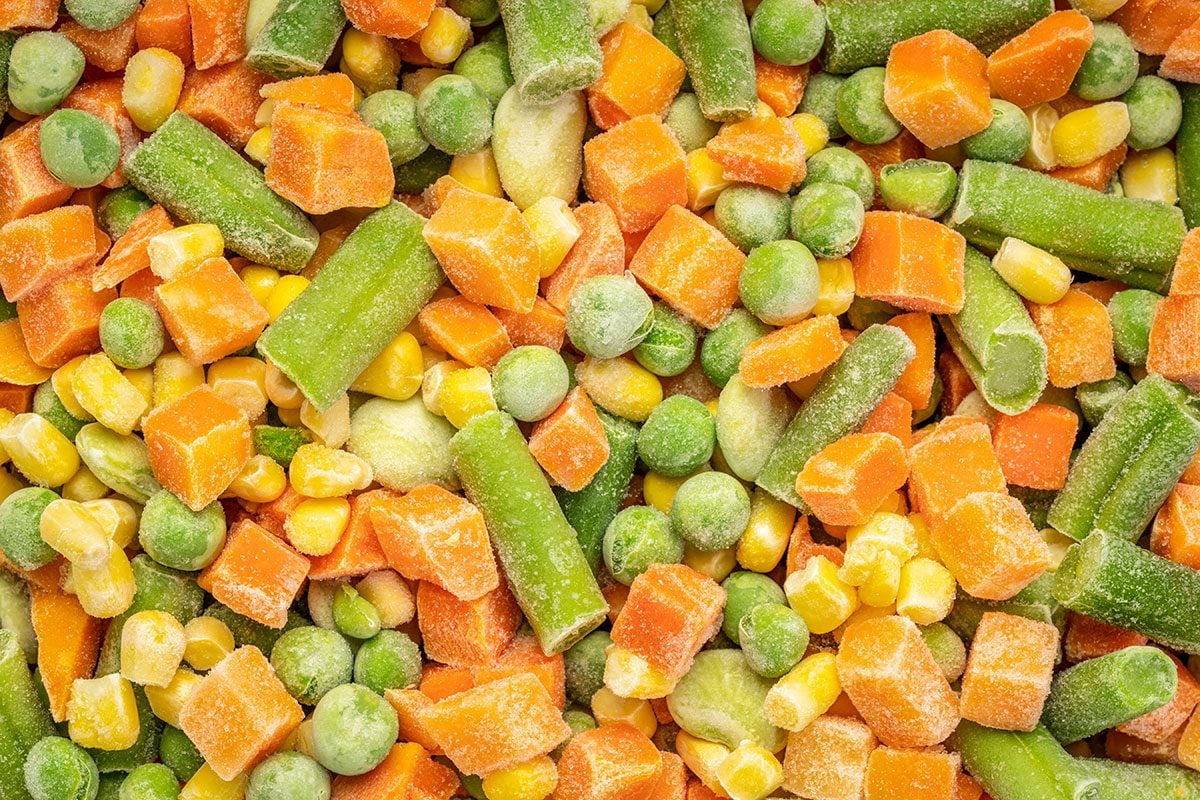
There's one common mistake people make when they cook with frozen vegetables. Don't let it turn dinner into a soggy mess!
Is there anything like the burst of excitement you feel when you look inside the freezer and see a bag of vegetables waiting to be used up? It’s a sign that dinner is already halfway done and you can skip rinsing and chopping. But frozen vegetable recipes often come with one persistent question that manages to trip people up: Should you thaw the veggies first?
It turns out, thawing vegetables could be the cause of mushy meals! I’ve definitely done this before, letting a bowl of frozen broccoli sit on the counter too long while I prepped everything else, only to end up with something a little sad and waterlogged by the time it hit the pan. Here’s why it’s best to use the vegetables straight out of the freezer.
Why You Shouldn’t Thaw Frozen Vegetables Before Cooking
Frozen vegetables are at their best the moment they leave the freezer. They’ve already been blanched and then flash-frozen, which locks in their color, texture and nutrients at a very specific moment in time. Thawing interrupts that.
As frozen vegetables defrost, the ice crystals inside them melt into water. That extra moisture seeps into the vegetables themselves. The result is a softer texture, diluted flavor and, once heat is added, a tendency to go mushy instead of crisp. If you’ve ever tried to saute thawed peppers or roast defrosted broccoli and wondered why they never quite browned, this is why. The pan ends up steaming them instead of searing them.
Cooking from frozen avoids all that. The heat hits the vegetables while they’re still firm, allowing excess moisture to evaporate quickly instead of soaking in. You get better color, better texture and vegetables that actually taste like they’re supposed to.
There are also a couple practical bonuses. Skipping the thaw means no waiting around for something to defrost while you’re trying to get dinner on the table, and there will be one less bowl to clean.
All this said, there are a few exceptions. Vegetables destined for dips, purees or mashes—think spinach artichoke dip or cauliflower mashed potatoes—can benefit from thawing since you’re not chasing texture in the same way. But for anything you want to roast, saute or toss into a dish with structure, frozen is the better starting point.
How to Cook Frozen Vegetables

A few small adjustments to cooking frozen vegetables will make a big difference.
Start With High Heat
Whether you’re roasting or sauteing, give your pan or oven time to fully heat up. High heat helps drive off excess moisture quickly, which is key to preventing sogginess.
Don’t Overcrowd the Pan
Spread vegetables in a single layer whenever possible. Crowding traps steam, which brings you right back to that soft, waterlogged texture you’re trying to avoid.
Skip the Rinse
It might be tempting to run frozen vegetables under water to separate them, but that adds more moisture. If they’re clumped, give the bag a few hard taps on the counter instead.
Adjust Your Timing
Frozen vegetables can take a little longer to cook compared to fresh, but not much. Smaller pieces like peas or corn heat through quickly, while larger vegetables like broccoli or cauliflower benefit from a slightly longer cook to get that golden edge.
Related: